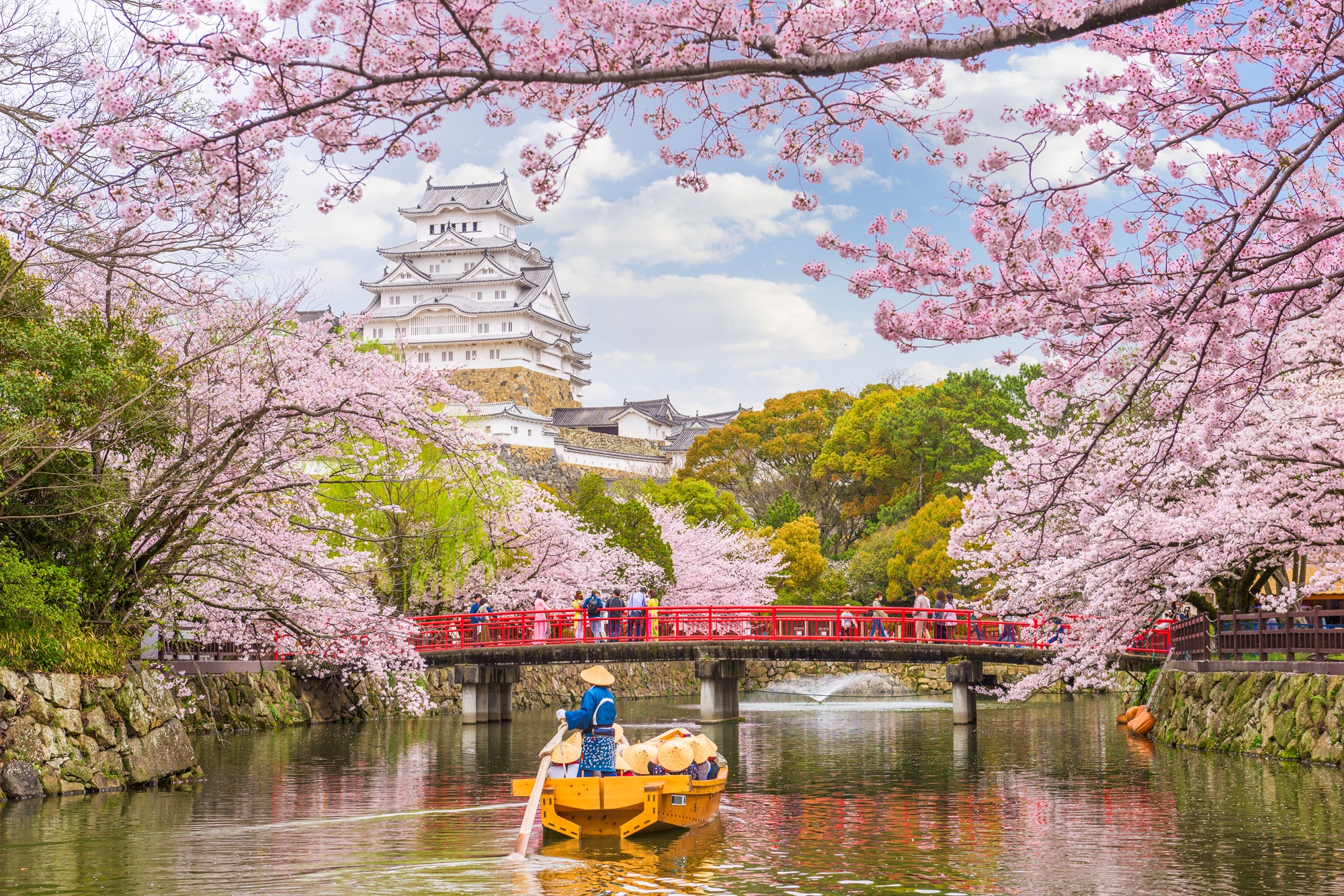
The best time to visit Japan is spring (March–May) for cherry blossoms or autumn (October–November) for spectacular foliage — but each season offers a different mood, crowd level, and price point.
Japan’s Seasons at a Glance
Japan has four marked seasons, each shaping the travel experience. Spring is famed for sakura (cherry blossoms) and pleasant weather, while autumn offers dazzling red maples and milder crowds. Winter means powder snow in Hokkaido and Christmas illuminations in Tokyo, while summer delivers lush countryside, vibrant festivals and (from June) typhoon chances plus steamy heat in the south.
Peak travel periods (Golden Week in May, Obon in August, and New Year) see surging prices and booked-out trains. For broad sightseeing and mild temperatures, spring and autumn balance weather, crowds and atmosphere best. Our Japan travel guide breaks this down for every major city.
Month-by-Month: What to Expect
January–February: Coldest months, especially in Honshu and north, but prime for snow sports, onsen retreats and crowd-free city visits. Ideal for skiing in Hokkaido or the Japanese Alps. Tokyo’s New Year’s celebrations mean huge crowds (first week), but prices drop immediately after.
March–May: Plum blossoms late Feb. Cherry blossom season peaks from late March into early April — expect high crowds in Kyoto, Tokyo and Osaka, so book far ahead. Weather is mild, parks burst with picnics, and festivals abound. May brings Golden Week (late April–early May), when domestic travel peaks and prices soar.
June–August: Rainy season blankets most regions from early June for 3–4 weeks. The upside: lush gardens, fewer overseas tourists, and vibrant hydrangea displays. Summer (July–August) brings festivals (like Gion Matsuri in Kyoto and fireworks across the country) but high humidity, heat domes, and typhoon risk in the south. Japan’s beaches open, while the highlands (like Nagano) give respite.
September–November: Typhoon season peaks in September, becoming comfortable by October. Late October to November brings autumn foliage in parks and temple grounds. Crowd levels dip after summer holidays and before leaf-viewing peaks. Crisp air and clear skies make this a favourite for photographers and walkers — and the best balance if you want to skip both sakura crowds and rainy season.
December: Early month is quiet and cool. Christmas is not a public holiday but towns glow with illuminations. Ski resorts open from mid-December, with peak snow typically after Christmas. New Year (shōgatsu) is Japan’s biggest holiday, when travel peaks, sites close, and accommodation rates jump from around 29 December to 3 January.
The best times to visit Japan are late March–early April for cherry blossoms, or early–late November for autumn colours, depending on your weather preference and crowd tolerance.
How to Choose Based on Your Goals
If your dream is seeing the sakura bloom in Kyoto, book for late March to early April — and secure accommodation months in advance. On a tight budget? Visit in late January or early February, avoiding the New Year rush. Photographers often prefer the golden ginkgo and crimson momiji of November, while food lovers enjoy winter’s nabe and street oden as temperatures drop.
Travelling with children? Autumn or late spring suit family sightseeing, with fewer crowds and milder weather. If you’re a skier, January is unbeatable for Hokkaido powder, while hikers enjoy cooler trails in October. Yanvara trip plans can tune recommendations for your priorities, whether you want vibrant street life, seasonal food, or quieter city escapes.
A Tokyo–Kyoto–Osaka itinerary in early April hits peak sakura: expect full parks, seasonal sweets and day-trip train crowds — iconic, but book restaurants and Shinkansen early. A similar trip in late October swaps blossoms for orange and crimson foliage, milder weather, and notably thinner crowds, especially in Kyoto’s temples after 5 pm.
Curious how Japan compares to other destinations seasonally? Our Bali, Indonesia travel guide shows a completely different seasonal logic — and Yanvara adjusts packing, crowd and weather insights for every region. If you're inspired to plan a Mediterranean escape next, our Andalusia, Spain travel guide explores seasonal travel in southern Europe.
Money, Crowds and Booking Tactics
Flights and hotels spike in price during sakura (March–April), Golden Week (May), Obon (August) and New Year. Book trains and accommodation as early as possible in these windows. Flexible dates mean substantial savings — mid-winter (late Jan/Feb) and late May/June see the best hotel deals and quietest tourist sites. Make use of the Japan Rail Pass and consider night buses to cut costs during peak periods.
Compare what’s included in typical Japan itineraries for your window, and watch our travel deals and offers for mid-season specials on hotels, tours and SIMs.