Overview
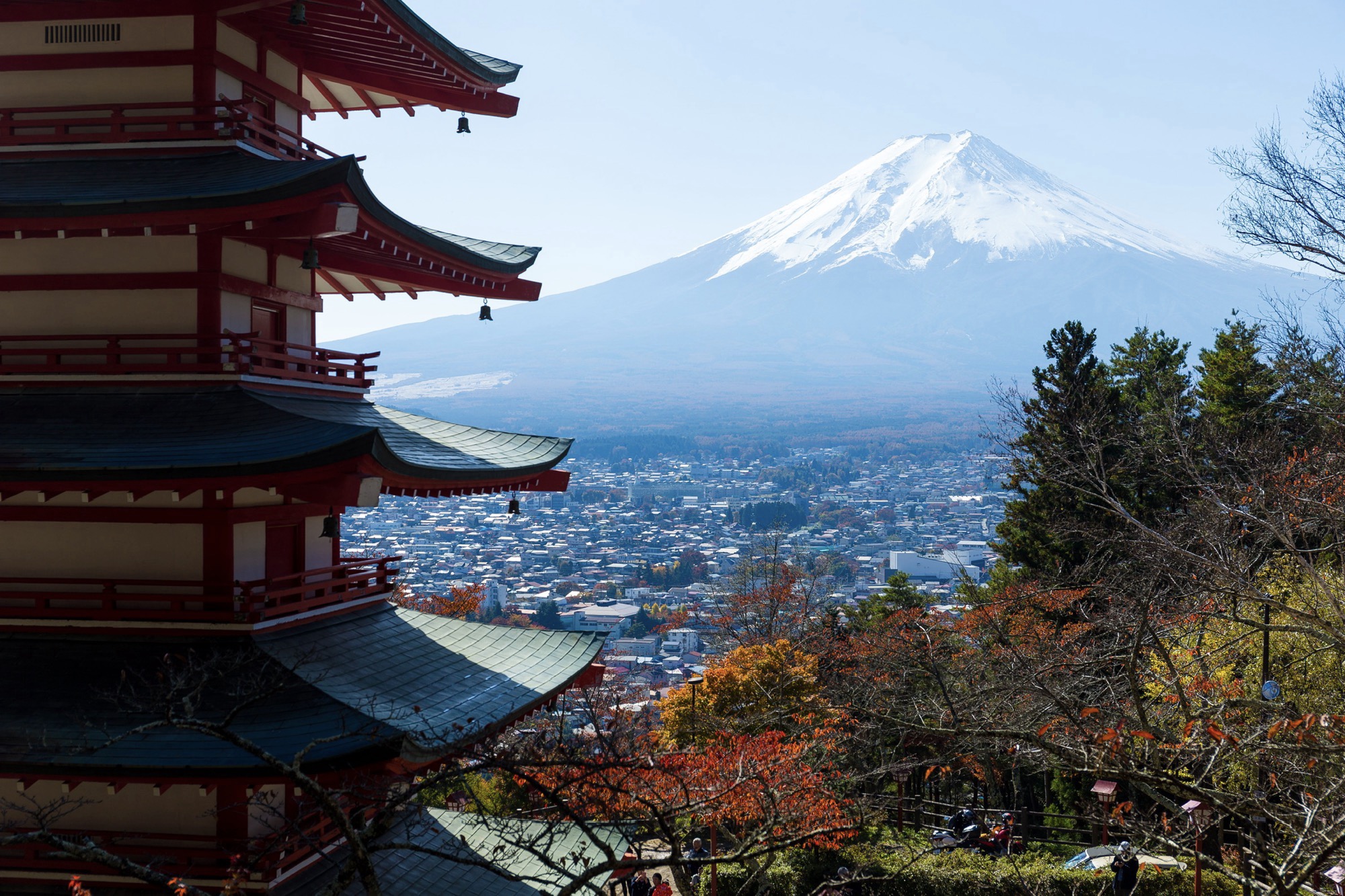
Japan in seven days delivers an intoxicating mix of urban energy, spectacular landscapes, and centuries-old culture — making this itinerary the absolute classic for first-timers eager to experience the country’s highlights through efficient, fast-paced travel. Begin in the futuristic capital of Tokyo, where neon-bathed neighbourhoods and striking skyscrapers hum with life alongside tranquil, history-rich pockets such as Asakusa. From there, taste a glimpse of the iconic Mt Fuji, soak in onsen towns, and continue west by shinkansen to Kyoto’s serene Zen gardens and atmospheric geisha districts. Finish in Osaka, a foodie capital known for its street-eats and vibrant nightlife, dipping into historic Nara en route for a peaceful change of pace.
This trip is ideal for cultural explorers and active first-time visitors wanting to hit Japan’s best-known sights with minimal hassle, focusing on cities and intercity train travel rather than rural detours. If you crave leisurely small town wanders, deep countryside immersion, or hiking-heavy days, this express route may feel rushed — but it’s unbeatable for those seeking the country’s cultural heartlands and urban spectacle in a single, expertly plotted week.
Best time to visit
Japan’s seasons are dramatically distinct. Spring (late March to April) is famed for cherry blossom — especially iconic in Tokyo, Kyoto and along riversides in historic districts — with mild temperatures and lively hanami (blossom-viewing) festivals drawing huge local crowds and photographers. Autumn (late October to mid-November) brings crisp air, colourful maples, and fewer visitors: Kyoto’s temples and Nara Park are gorgeous under red canopies, with comfortable weather for city walking. Summer (June through August) is muggy, particularly in Tokyo and Osaka, with a rainy spell in June; expect high temperatures and festivals but increased humidity. Winters (December–February) are cold and largely dry, ideal for clear Fuji views and hot-spring soaking in Hakone or Kawaguchiko, though the mountains receive snow and Kyoto’s mornings can be chilly. Avoid national holidays such as Golden Week (late April–early May), New Year, and Obon (mid-August) due to crowded sites and surging accommodation prices.
Best month window: Early April combines peak cherry blossom with comfortable sightseeing weather across Tokyo, Kyoto, and Fuji’s foothills.
Getting there and around
Land at Tokyo’s Narita (NRT) or Haneda (HND) airports, both well-connected to the city centre by rail and bus. For this linear route, travellers use Japan’s extensive rail network: the Tokaido Shinkansen connects Tokyo, Hakone (via Odawara), Kyoto and Osaka, with Nara easily accessible as a day trip from Kyoto by local JR or Kintetsu lines. Get a 7-day Japan Rail Pass before arrival — it covers every intercity journey on your route (except some Nozomi/Mizuho shinkansen services), plus convenient local lines. From Tokyo, Hakone is 1.5–2 hours by train; Odawara (for Hakone) to Kyoto is around 2 hours by bullet train; Kyoto–Nara is 45–60 minutes; Kyoto–Osaka is just 15–30 minutes by shinkansen or rapid trains. Within cities, subways and buses (Suica or ICOCA cards save time), buses in Kyoto, and the JR Osaka Loop Line are simple to use. Taxis are safe but expensive; luggage forwarding (takkyubin) services are invaluable on this fast-paced route.
Where to stay
- Shinjuku or Tokyo Station (Tokyo): Well-served by trains, these areas are perfect for first-timers seeking easy access to both city sights and onward shinkansen connections. Lively dining and shopping districts.
- Gion or Higashiyama (Kyoto): Atmospheric, historic areas ideal for wandering after dark among old teahouses, and excellent for proximity to shrines, temples, and traditional streets.
- Namba or Umeda (Osaka): Central and vibrant, these neighbourhoods suit those wanting to explore nightlife, food markets and shopping, while being close to key train lines for travel to Kansai Airport or back to Tokyo (if needed).
- Hakone Yumoto (Hakone): For those taking the overnight detour, this hot spring town has classic ryokan and convenient access to Mt Fuji viewpoints and transport back to the shinkansen line.
Suggested day-by-day
- Days 1–2: Tokyo — Start in buzzy Shibuya (don’t miss the iconic Scramble Crossing), explore neon-lit Shinjuku and view the city from the Tokyo Metropolitan Government Building. Wander through Senso-ji Temple in Asakusa and browse Tsukiji Outer Market’s street food stalls. Spend your second afternoon in trendy Harajuku’s Takeshita-dori, pausing for a walk under the forested approach to Meiji Jingu Shrine. The Yamanote Line makes all these areas easy to string together.
- Day 3: Hakone or Kawaguchiko — Leave your main luggage at your Tokyo hotel or forward it to Kyoto before catching the morning Odakyu Romancecar (non-JR, but more flexible for Hakone) or JR to Odawara, then transfer to Hakone’s ropeways and scenic railways. Soak in a traditional onsen, take the Hakone pirate cruise on Lake Ashi for postcard views of Mt Fuji (weather permitting), and consider the Hakone Free Pass for local transport. Optionally, visit the Hakone Open-Air Museum or, if heading for Fuji Five Lakes, Kawaguchiko offers views and lakeshore hot springs — best reached by highway bus.
- Days 4–5: Kyoto — Board the shinkansen from Odawara to Kyoto in the morning. In Kyoto, stroll Gion’s lantern-lit alleys, skirt the Kamo River, and watch for kimono-clad locals. Visit Kinkaku-ji (Golden Pavilion), marvel at the endless torii gates of Fushimi Inari Taisha, and relax in the bamboo groves of Arashiyama (a short local train ride away). Stop for matcha treats in Nishiki Market and, if you can, splurge on a kaiseki meal or geisha dinner experience.
- Day 6: Nara — Take the JR or Kintetsu rapid service from Kyoto for a day trip. Wander among the friendly sika deer in Nara Park, visit Todai-ji Temple’s immense Daibutsu (Great Buddha), and detour to Kasuga-taisha’s lantern-lit paths. Return to Kyoto for the evening, or continue directly on to Osaka if you prefer a more relaxed pace.
- Day 7: Osaka — Board a bullet train or local service to Osaka (if coming from Kyoto) and drop your bags at your Umeda or Namba base. Feast at Kuromon Ichiba Market, sample takoyaki and okonomiyaki along Dotonbori canal, climb Osaka Castle for skyline views, and finish with a stroll through neon-lit Shinsekai or Den Den Town (for fans of Japanese pop culture). Catch a flight from Kansai International Airport, or return to Tokyo by shinkansen (3 hours) if departing from there.
Food and drink
Your route showcases Japan’s greatest culinary hits. In Tokyo, dive into fresh sushi at Tsukiji Outer Market or try quirky Harajuku crêpes. Hakone and Kawaguchiko offer seasonal kaiseki meals and delicate onsen tamago (hot spring eggs). Kyoto is renowned for matcha-flavoured treats, Yudofu (tofu hot pot) in temple districts, and street foods like yatsuhashi (sweet rice flour pastries) in Nishiki Market. In Osaka, don’t miss Kuromon Ichiba Market’s street food, steaming takoyaki, okonomiyaki at Dotombori, kushikatsu (deep-fried skewers) in Shinsekai, and local izakaya. Nara is perfect for kakinoha sushi (sushi wrapped in persimmon leaves) and simple soba bowls, easily found near Nara Park. Most markets and food streets are open late and ideal for grazing-style dinners.
Budget
This trip is a mid-range experience: Japan’s excellent trains, moderate hotels, and street food are good value for the quality, though main cities and peak seasons can push prices up. The 7-day Japan Rail Pass is a cost-saver — pre-book it before flying. Splurge items include Kyoto’s kaiseki meals or a private ryokan with onsen in Hakone, while affordable choices abound at markets and curry houses. Booking your stays near major stations saves on local taxis and wasted time. Many temples, shrines, and parks are cheap or free to enter; special dinners or cultural experiences (geisha show, tea ceremony, sumo tickets if available) are worth pre-booking, as are Hakone Free Passes and advance hotel reservations in cherry blossom or fall foliage seasons.
Practical tips
Buy the Japan Rail Pass before arrival, and activate it on your first intercity travel day; book shinkansen seat reservations at ticket counters. Pick up a Suica or ICOCA card for city buses, subways and some shops. Free Wi-Fi is common at hotels and cafes, but renting a pocket Wi-Fi at the airport ensures reliable connectivity and easy navigation. Carry some cash — ATMs at 7-Eleven and post offices accept foreign cards. Be punctual for trains, and save your main luggage forwarding (takkyubin) between cities; keep an overnight bag for intervening stops like Hakone. Most restaurants show plastic food models and have English menus in major areas; use Google Translate for smaller shops. Tipping isn’t expected. Take care on crowded trains, obey local etiquette (no phone calls on trains, shoes off indoors when required), and book early for peak periods to avoid disappointment.