Overview
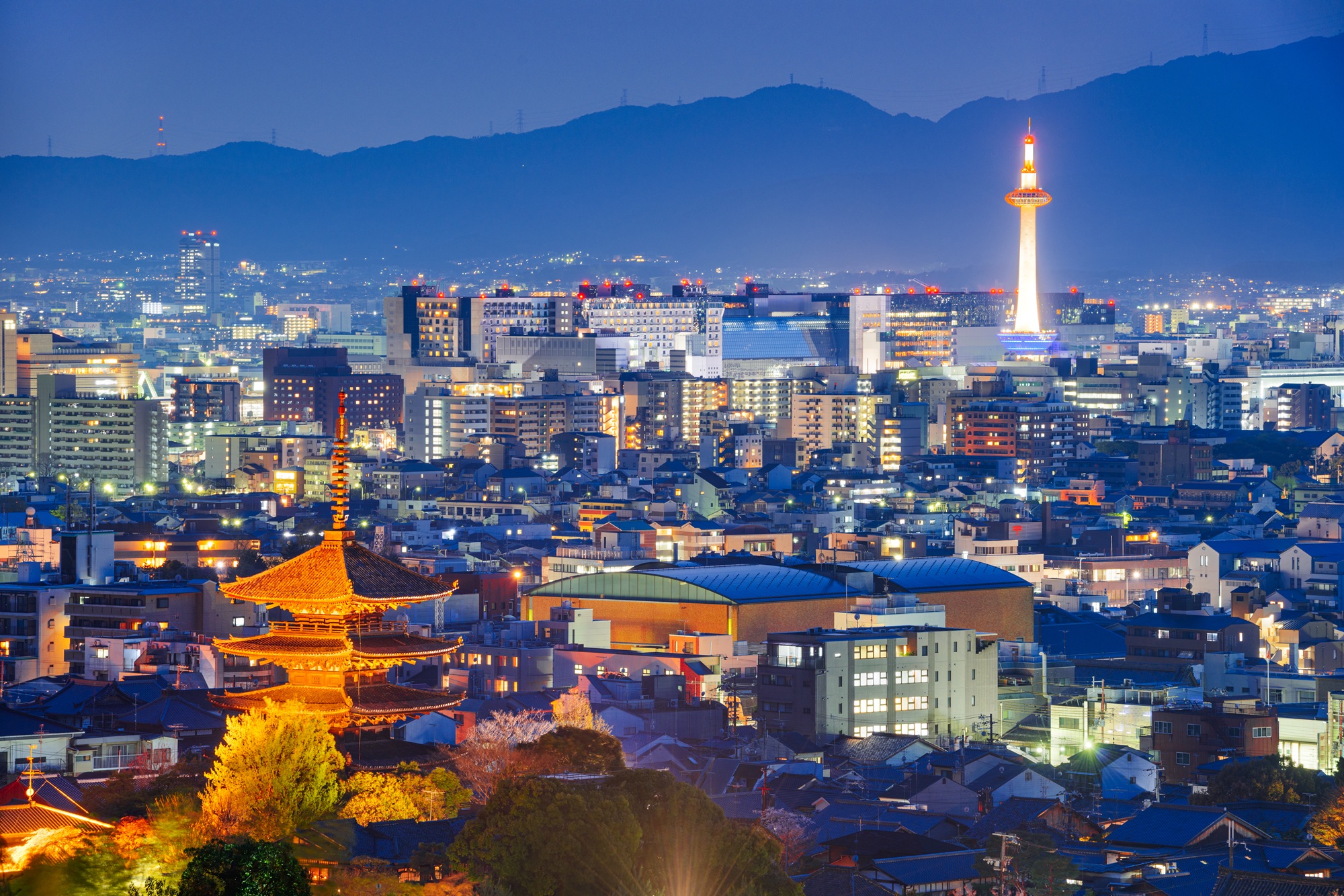
Japan unfolds as a contrast of hyper-modern cityscapes and centuries-old tradition, and this classic 10-day loop captures those nuances perfectly for first-time travellers. Linking Tokyo, Kyoto, and Osaka, this itinerary delves into the heart of both contemporary and historic Japan—think neon-lit Shibuya crossings, the tranquil gates of Fushimi Inari, and Osaka’s bustling street-food alleys. A well-paced trip means you’ll skip the blur of constant train rides, giving each city ample time and allowing for a day in fairy-tale Nara among its roaming deer.
This journey is perfect for independent travellers who want a firm foundation in Japanese highlights without feeling rushed, blending city energy with moments of calm in gardens and temples. It suits inquisitive adults, couples, and families with school-age children who appreciate both cultural treasures and pop-culture icons. If you’re after off-grid hiking, deep rural immersion, or coastal escapes, you’ll want a more expansive trip.
Best time to visit
Japan’s seasons shape the experience. Late March to early April brings the fabled sakura—cherry blossoms—blanketing parks like Ueno (Tokyo) and Maruyama (Kyoto) but draws huge crowds and raises accommodation costs. October into early December brings glowing autumn foliage to temple gardens and city boulevards, with brisk, clear weather. June starts rainy; July and August are steamy and humid, bustling with festivals but less comfortable for sightseeing. Winter (January–February) is cold but often sunny, quieter in city sights, and offers access to ski slopes near Tokyo (Karuizawa, Gala Yuzawa) and Kyoto (Biwako Valley). The single best window: Late March to mid-April, for blooms and lively festivals—but pre-book hotels as far ahead as possible.
Getting there and around
Tokyo’s airports—Narita (NRT) and the more central Haneda (HND)—are the main entry points for international flights. Most visitors start in Tokyo, with airport trains (like the Narita Express or Haneda’s Tokyo Monorail) connecting to city stations. Intercity travel is dominated by the shinkansen (bullet train); the Tokaido Shinkansen links Tokyo, Kyoto, and Osaka multiple times per hour, with the main leg (Tokyo to Kyoto) taking 2–2.5 hours, and Kyoto to Osaka an easy 15 minutes. Advance seat reservations are advisable in busy seasons. City transport runs on rechargeable IC cards—Suica or Pasmo in Tokyo, ICOCA in the Kansai region—and these cards are now interchangeable on most services. For one or two long shinkansen legs, buying individual tickets is often cheaper than a JR Pass after 2023’s price hike, but regional Kansai passes can suit travellers adding extra day trips. Local trains and subways handle urban travel; taxis are safe but costly. For the Nikko or Kamakura day trip from Tokyo, direct regional trains take 60–90 minutes; Nara is 45 minutes by express from Kyoto. Kobe is a 30-minute hop from Osaka via JR lines. Luggage forwarding (takkyubin) lets you travel light on shinkansen legs if you prefer not to roll suitcases onto Tokyo’s crowded trains.
Where to stay
- Tokyo: Shinjuku or Shibuya – Vivid nightlife, easy airport access, and endless dining; best for first-timers wanting energy and convenience.
- Tokyo: Asakusa – Quiet, historic, with Senso-ji temple on your doorstep; suited to those seeking a more traditional ambience.
- Kyoto: Gion or Higashiyama – In the thick of geisha districts and historic streets, ideal for cultural immersion and temple exploration.
- Kyoto: Kyoto Station Area – Ultra-convenient for trains, luggage transfer, and bus access; a hub for onward travel and families with lots to see nearby.
- Osaka: Namba or Dotonbori – Eat-street energy, nightlife and street food at your feet; ideal for foodies and night owls.
- Osaka: Umeda – Major transport links and upmarket shopping, slightly quieter than Dotonbori but still central for city exploration.
Suggested day-by-day
- Days 1–4: Tokyo—Explore Shibuya and Shinjuku for nightlife and panoramic city views (Tokyo Metropolitan Government Building), wander the serene Senso-ji temple in Asakusa, and schedule time for a major museum (the Nezu Museum or the National Museum of Modern Art) or the immersive digital art world of teamLab Planets. On Day 3 or 4, take a day trip outside the city: visit the World Heritage shrines and mossy forests of Nikko, or enjoy Zen gardens and the Great Buddha at Kamakura. Use the Tokyo Metro and JR Yamanote Line for seamless urban travel and regional rail for day trips.
- Day 5: Take the Tokaido Shinkansen from Tokyo to Kyoto—either direct or with a brief change at Nagoya; direct trains are fastest and require reserved seating if travelling with large luggage during peak seasons.
- Days 5–8: Kyoto—Start at Fushimi Inari’s atmospheric torii gates at dawn for minimal crowds, spend an afternoon with the bamboo groves and river paths of Arashiyama (optionally adding the Iwatayama Monkey Park), then dive into Gion’s lantern-lit alleys and teahouses. Dedicate half a day to Nara: visit Todai-ji’s giant Buddha and feed the freely wandering deer in Nara Park, with the JR Nara Line providing a quick transfer from Kyoto Station. Plan evenings for Pontocho’s riverside dining or quiet strolls along the Philosopher’s Path.
- Days 9–10: Osaka—Base yourself in Namba or Dotonbori for Osaka’s neon-lit nightlife and endless street eats. Tour the impressive ramparts of Osaka Castle, then embark on a self-guided food crawl through Kuromon Ichiba Market and the takoyaki (octopus ball) stalls of Dotonbori. On Day 10, take a morning train to Kobe for melt-in-your-mouth beef and a stroll through the harbourfront Meriken Park, or stick to Osaka for the futuristic Umeda Sky Building or a sumo match if in season. Return to Kansai International Airport via the Nankai Rail line when departing.
Food and drink
Tokyo is a haven for both sushi and casual dining: enjoy fresh nigiri at Tsukiji Outer Market, steaming ramen in Ramen Street beneath Tokyo Station, and wagashi (sweets) with tea at Ueno’s centuries-old shops. Street food fans should hit Ameya-Yokocho in Ueno and Omoide Yokocho in Shinjuku for skewers and izakayas. In Kyoto, seek kaiseki multicourse dining in Gion (Yudofu near Nanzen-ji for Buddhist specialties), try yatsuhashi sweets from Nishiki Market, or slurp matcha at riverside tea houses. Osaka is synonymous with takoyaki and okonomiyaki—Dotonbori is the epicentre, with Kushi-Katsu skewers popular in Shinsekai. Don’t miss a late-night visit to Kuromon Market for fresh seafood or wagyu skewers. In Kobe, sample famed Kobe beef at Sannomiya’s dedicated grills.
Budget
Japan is flexible: public transport (trains, subways) is efficient and reasonable, but shinkansen legs are the main big-ticket expense. Mid-range hotels and ryokan are plentiful, yet rates soar in sakura and autumn peak seasons. The main splurges: traditional kaiseki meals in Kyoto, Kobe beef in Kobe, and the uniquely immersive digital art exhibits. Convenience-store eats and casual izakaya meals are good value, while multi-day attractions or specialist guides for experiences (sumo, tea ceremony) may warrant advance booking. Pre-book hotels and bullet train tickets if going in high season, but food and transport can be balanced to suit most mid-budget travellers.
Practical tips
On arrival, pick up a Suica or Pasmo IC card for effortless use across local trains, metros, buses, and even at convenience stores; you can now use a single card across Tokyo, Kyoto, and Osaka. For shinkansen travel, reserve seats especially during holiday weeks. Luggage forwarding (via Yamato or Japan Post) frees you to travel light on fast train days. Etiquette favours quiet conversations on public transport and orderly queueing. Tipping is not a custom. Book the Ghibli Museum, sumo basho, or any kabuki tickets as soon as dates open. Hotels in cherry blossom and autumn foliage periods may fill six months ahead—book early and confirm cancellation terms, especially if your itinerary could shift.