Overview
Andalusia, draped across southern Spain, is a patchwork of Moorish legacy and passionate Spanish vibrancy—perfect for couples seeking romance, culture, and indulgence. On this honeymoon itinerary, you’ll stroll through the labyrinthine streets of Seville and Córdoba, unwind in boutique countryside retreats, and experience the region’s famed cuisine and flamenco arts in intimate, unforgettable settings. The route is tailored for couples who prefer luxurious touches—think palace hotels, vineyard lunches, and private experiences—allowing plenty of lingering in atmospheric plazas and scenic valleys.
This 10-day journey perfectly blends city exploration with tranquil country interludes, designed for honeymooners who crave both historic splendour and relaxation. It offers private tours, spa escapes, and time together in serene landscapes, but those hungry for nightlife or energetic group activities might find the pace a little slow. It’s best suited to couples who value romance, architecture, culinary discovery, and the art of slow travel, with time built in for siestas and sunset strolls.
Best time to visit
Andalusia is at its best in spring (April–June) and autumn (September–October), when days are comfortably warm, the gardens are in bloom, and the big cities feel alive without being swamped by visitors. Orange blossoms perfume city air in March and April, while Córdoba’s courtyards explode with flowers in May. High summer (July–August) brings intense heat—Seville and Córdoba are often among Europe’s hottest cities—though balmy evenings make alfresco dining enticing. Winters (November–March) are cooler and quieter, best for those who want peaceful walks through empty patios and cosy, firelit meals. The single best window for most couples is mid-April to late May, aligning perfect weather with Andalusia’s most colourful festivals and lush gardens.
Getting there and around
The journey begins with arrival at Seville’s San Pablo Airport (SVQ), well connected to most major European hubs. Start your trip in Seville, then travel by Spain’s efficient AVE high-speed trains or private car/transfer to Córdoba (about 45 minutes by train). For countryside stays—such as around Carmona or rural haciendas—pre-arranged transfers or a hire car provide flexibility, as regional train/bus links are infrequent. Continue by train from Córdoba to Granada (typically 2 hours 15 minutes direct) for Alhambra, and then onwards to Ronda (2.5–3 hours by train or car, via scenic routes past white villages). Departure is easiest via Málaga–Costa del Sol Airport (AGP), a 1.5-hour drive from Ronda. Expect cobbled streets and limited parking in historic districts—luggage with wheels and light packing are recommended. Trains handle the key city hops, but a private car between Granada, Ronda, and vineyard areas lets you detour for hidden white villages or olive mills.
Where to stay
- Santa Cruz, Seville: This romantic, flower-laced Jewish quarter, brimming with boutique hotels in historic mansions, is steps from the Real Alcázar—perfect for honeymooners who want atmosphere, easy sightseeing, and intimate dining.
- Córdoba Old Town (Centro Histórico): Great for strolling to the Mezquita, tapas bars, and the famed patios; ideal for nights in private riad-style hotels and serene spa sessions.
- Granada’s Albaicín and Realejo: Albaicín offers unbeatable sunset views of the Alhambra from charming centuries-old houses; Realejo is quieter and artsy, with boutique stays and easy access to both city and palace.
- Clifftop Ronda (Ciudad or La Ciudad): Stay near the Puente Nuevo for commanding gorge views, romantic sunset walks, and easy access to historic wineries and the lush countryside beyond.
Suggested day-by-day
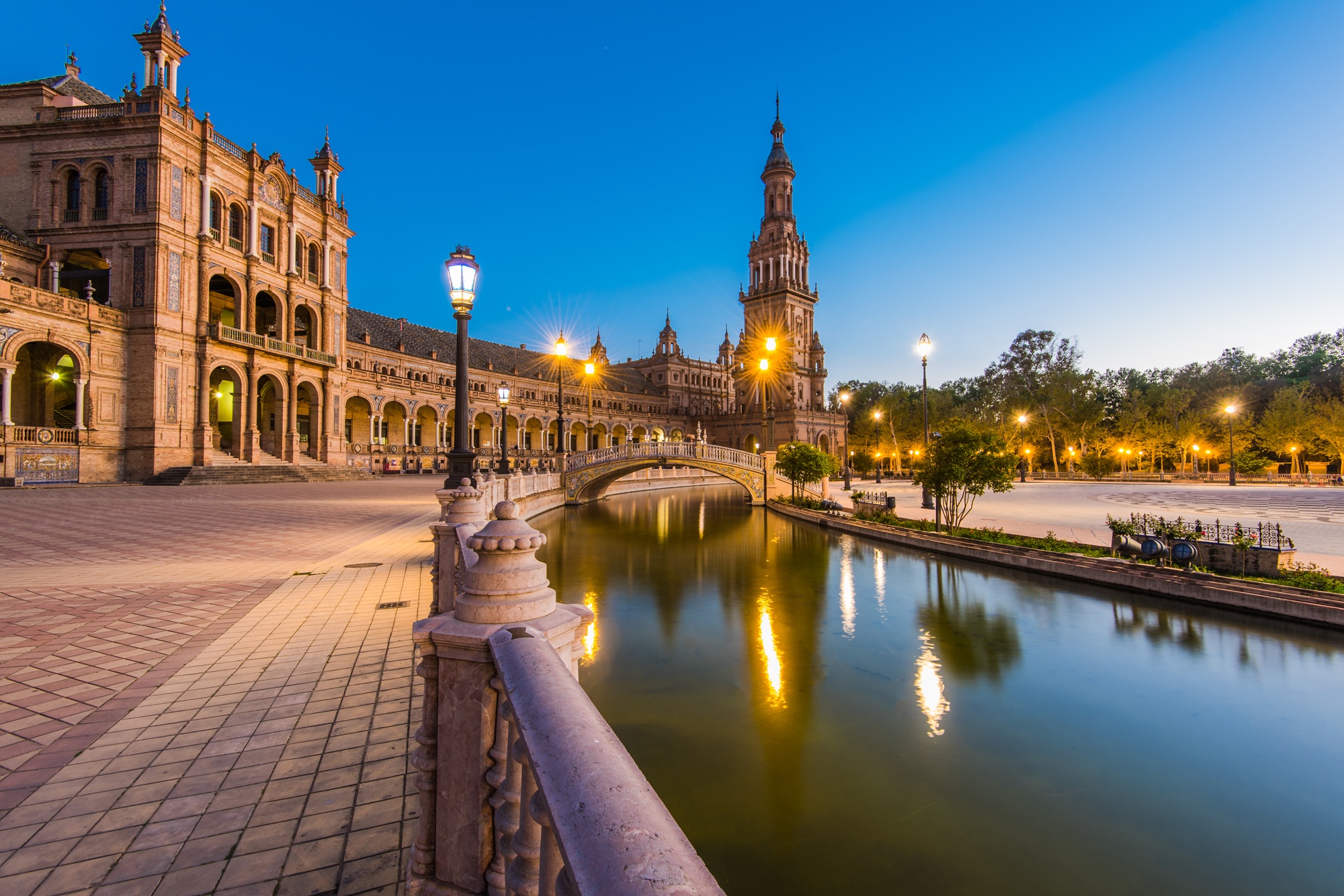
- Days 1–3: Land in Seville and settle into a Santa Cruz palace hotel. Tour the Real Alcázar’s mosaic courtyards, stroll shaded plazas, and wander gardens perfumed by orange blossom. By day, explore the Giralda tower and the Plaza de España; by dusk, take a leisurely horse-drawn carriage or book a private flamenco show. Sample Andalusian tapas in the Triana district and discover hidden rooftop bars for a nightcap. Use taxis or short walks between key sights.
- Day 4: Head southeast into rural Andalusia with a private driver, stopping for a private olive oil tasting tour at a traditional press near Carmona. Linger among the olive groves, then check in to a boutique cortijo or historic hacienda for a slow afternoon by the pool, finishing with a candlelit dinner overlooking rolling hills.
- Days 5–6: Transfer to Córdoba, arriving in time to visit the Mezquita, a UNESCO-listed mosque-cathedral glowing in late afternoon light. Wander the flower-filled patios of San Basilio, then unwind with a couples’ massage and soaking session in the centuries-old Arabic Baños Arabes. The next day, lose yourselves in the Judería’s arched lanes, stopping for ice cream at Plaza de las Tendillas, rounded off with a sunset stroll along the Puente Romano. Cordoba’s compact centre is mostly walkable; private transfer or AVE train covers the journey from Carmona.
- Days 7–8: Early train or car to Granada, visiting the Alhambra’s palaces and romantic Generalife gardens (book a private twilight visit if possible). Evenings are for sunset from the Mirador de San Nicolás in Albaicín, then dinner at Carmen de Aben Humeya or similar house-restaurant with panoramic views. Experience intimate flamenco in a Sacromonte cave—far more atmospheric than big theatre shows.
- Days 9–10: Drive (or private transfer) west to Ronda via the pueblos blancos: Zahara de la Sierra and Grazalema are scenic stops. In Ronda, settle into a clifftop inn with a balcony over the gorge. Lunch among the vines at a local bodega, stroll across the impossibly picturesque Puente Nuevo, and take your last golden hour photos. Depart via Málaga, either by car or booked transfer.
Food and drink
Plan romantic dinners at Seville’s Restaurante Egaña-Oriza (classic fine dining in a leafy setting) or intimate tapas at Casa Morales. In Córdoba, sample salmorejo and legendary tapas at Taberna Salinas before a couple’s treat at Mercado Victoria—a lively spot for artisanal treats and local wines. Don’t miss churros and hot chocolate for a slow breakfast. Granada stands out for complimentary tapas served with your drinks—try spots like Bodegas Castañeda. For a honeymoon splurge, book a vineyard lunch at Bodegas Descalzos Viejos near Ronda or a meal overlooking the gorge at Restaurante Abades Ronda. Olive oil tastings and sherry samplings are a must; arrange private sessions for extra romance. Each city has bustling markets: Seville’s Mercado de Triana, Córdoba’s Mercado Victoria, and Granada’s Mercado San Agustín offer treats for picnics or gifts.
Budget
This is a high-end itinerary, designed for splurge-worthy moments: palace hotels, private tours, and fine dining will make up most of your daily spend. Transport between cities is efficient (AVE train fares and private drivers are worth pre-booking, especially for the countryside legs and for luggage comfort). Meals in Andalusia offer a range from affordable neighbourhood tapas to decadent tasting menus; markets and small bars provide good value, but be prepared to treat yourselves regularly. Pre-book tickets for must-see sights like the Alhambra, Mezquita, and private flamenco—both for availability and queue-skipping. The real luxury is in the slow pace and scenic stays, both of which are best reserved ahead for romantic, memorable rooms.
Practical tips
Pre-book major attractions—especially the Alhambra and Real Alcázar—by several weeks for the best time slots. The AVE train network makes city hops easy; the Renfe website and app are straightforward, though private transfers offer extra comfort for luggage and countryside stops. Consider a Multi Card for urban buses, but taxis are relatively affordable for short hops (Uber and Cabify also operate in major cities). Pack for cobblestones, historic hotel stairs, and hot afternoons—reusable water bottles and sun hats come in handy. Spanish dining starts late (dinner rarely before 8.30pm); join in with locals for a paseo (evening walk) before your meal. While card payment is common, small cash bills smooth the way in markets or taxis. Tipping is appreciated but not obligatory—a few euros for great service is enough. Free city Wi-Fi is patchy; arrange roaming or a Spanish SIM for easy navigation and bookings. Always check car parking arrangements in old towns, where access is often restricted or reserved for hotel guests. When arranging spa or private experiences, request romantic ‘for two’ packages—they’re widely offered and can be tailored to your tastes.