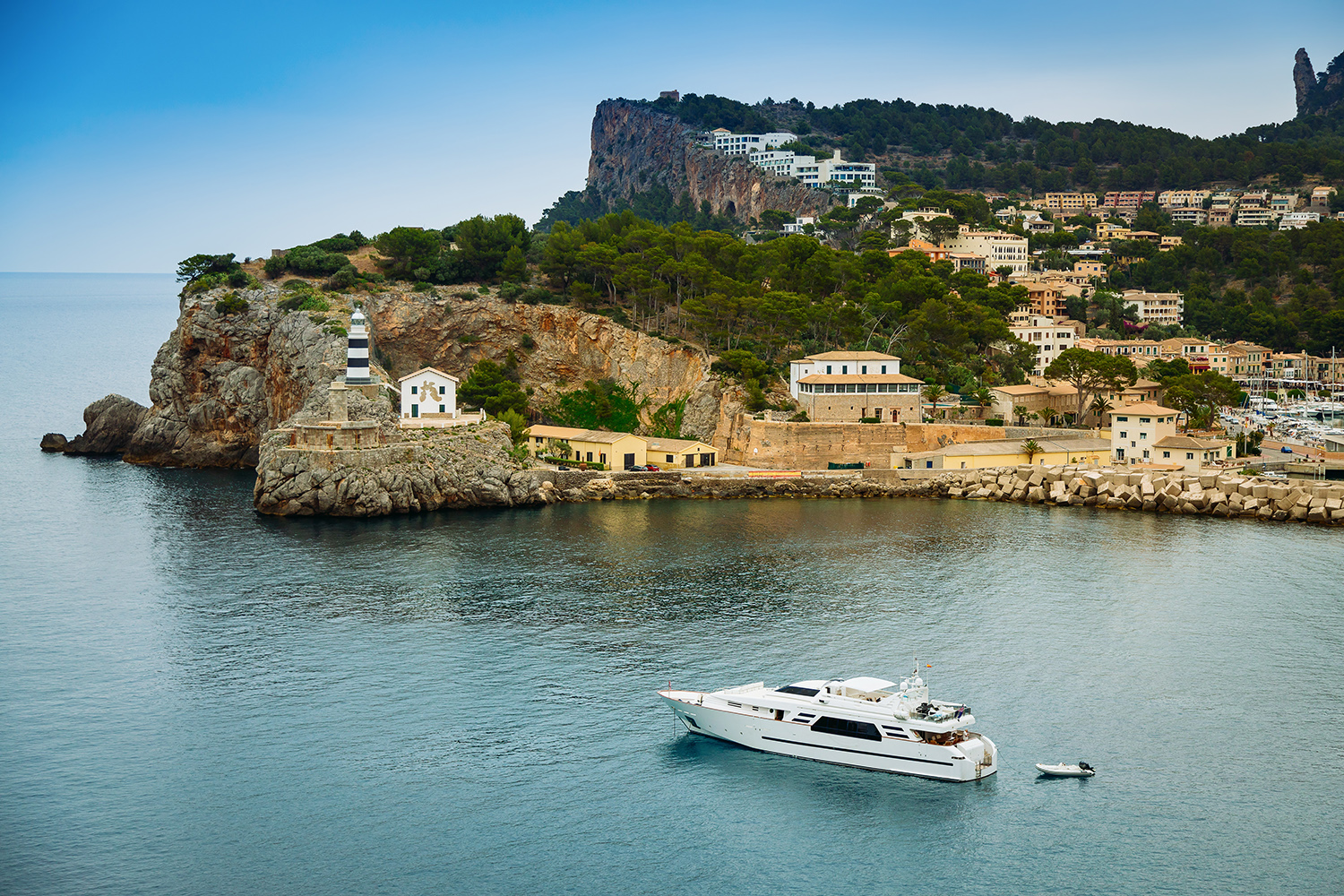
Luxury travel should not feel overloaded, rushed or operationally exhausting. A premium itinerary should reduce friction, simplify movement and create a calmer experience from arrival to return.
Many luxury trips still fail because the itinerary focuses too heavily on attractions, reservations and destination density instead of traveller energy and movement quality.
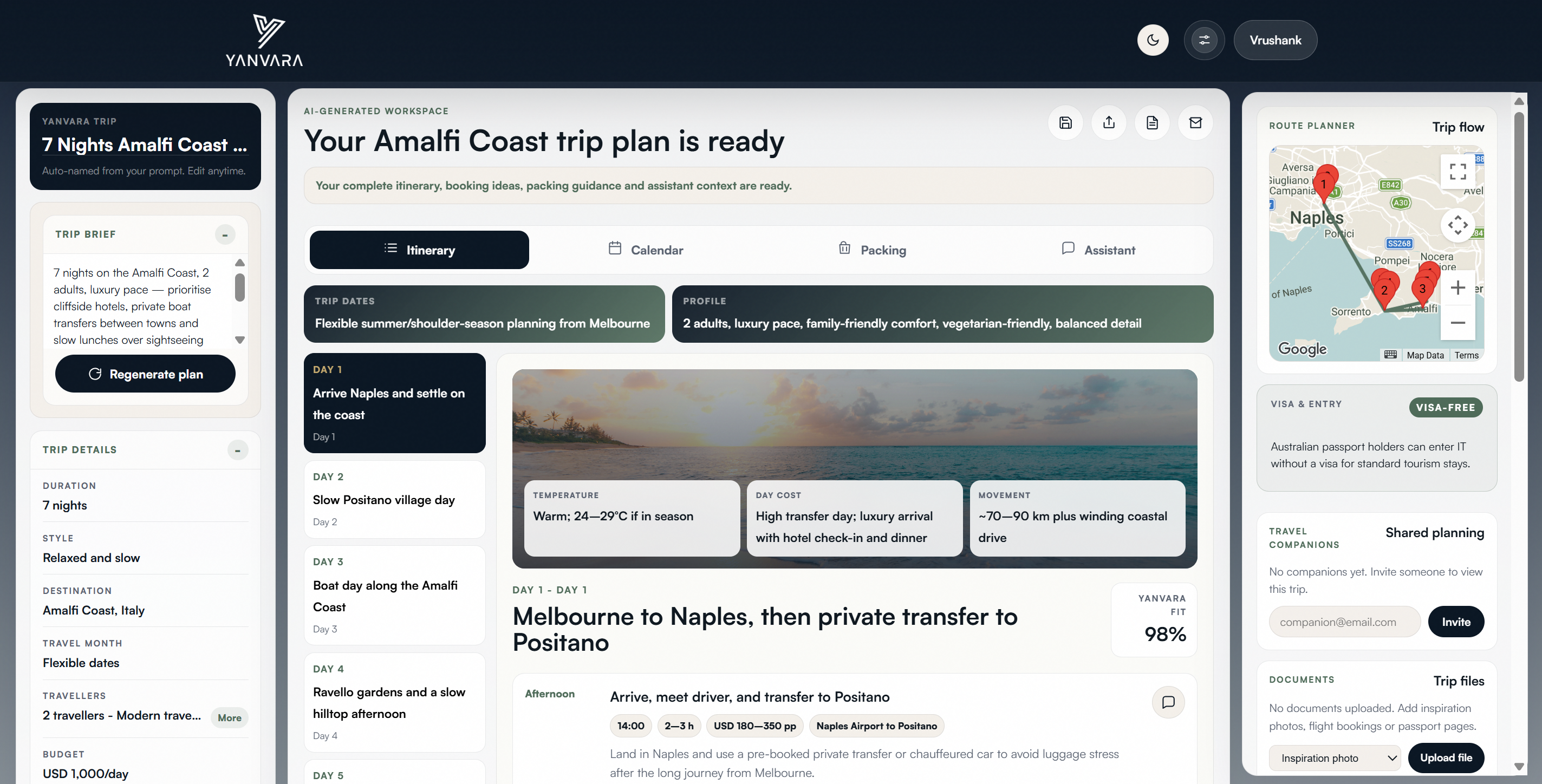
At Yanvara, premium travel planning is designed around flow, pacing, transfer simplicity, recovery timing and smoother movement infrastructure rather than simply adding more luxury experiences into the schedule.
Luxury travel is really about friction reduction
Most premium travellers are not searching for more activities. They are searching for smoother experiences.
The difference between stressful luxury travel and effortless luxury travel often comes down to invisible operational details.
This includes:
Luxury travel should minimise unnecessary effort. The traveller should feel guided through the journey rather than constantly managing logistics manually.
The best luxury itineraries make complex travel feel simple.
Protect pacing instead of maximising activity
One of the biggest problems in luxury travel planning is overpacking the itinerary with too many premium experiences.
A luxury journey should not feel like a checklist of expensive reservations.
Premium pacing often means:
- Longer breakfasts
- Slower afternoons
- Scenic transfer windows
- Flexible evenings
- Reduced walking load
- Intentional recovery periods
For example, a luxury Japan itinerary may prioritise fewer hotel changes, premium rail comfort, slower district sequencing and calmer evening transitions instead of trying to maximise sightseeing density.
The goal is not simply seeing more. The goal is enjoying the journey with less friction.
Design smoother transfer systems
Premium travel often succeeds or fails during transition moments.
Airport movement, rail changes, luggage handling, hotel transfers and transport timing all heavily influence how luxurious a journey actually feels in practice.
A realistic luxury itinerary should reduce:
- Late-night hotel arrivals
- Multiple same-day transfers
- Complex rail interchanges
- Unnecessary luggage movement
- Long walking corridors
- Physically demanding route changes
This becomes especially important for:
- Luxury honeymoons
- Multi-country journeys
- Private resort itineraries
- Family luxury travel
- Long-haul international trips
- Rail-based premium itineraries
If you're considering a journey with complex logistics, see our advice in the Iceland travel guide for smoother transitions. For more travel inspiration in 2024, visit our Italy travel guide.
Optimise energy, not just destinations
Luxury travellers often value emotional quality more than destination quantity.
A physically exhausting itinerary can quickly reduce the perceived value of even the most expensive hotels and experiences.
Good luxury planning should understand:
This creates luxury itineraries that feel calmer, more structured and more enjoyable to experience in the real world.
Luxury is often the absence of unnecessary effort.
Use AI refinement instead of static itineraries
Most travel tools stop after generating the first draft itinerary.
The real value of intelligent luxury travel planning begins after the route already exists.
Premium travellers should be able to dynamically refine:
The itinerary should evolve naturally without forcing travellers to rebuild the entire journey from the beginning.
That is where intelligent travel infrastructure becomes more valuable than static booking systems or attraction lists. To see how this can transform your travel planning, check our AI Travel Agent travel guide.
At Yanvara, luxury travel planning is designed to make complex travel feel calmer, smoother and more effortless across the entire journey.