Overview
Rome, Florence and Venice are Italy’s most iconic trio, seamlessly linked by high-speed rail through the heart of the country. This nine-day itinerary is paced to let each city unfold at its best, with time to delve into ancient ruins, Renaissance treasures and canal-side wanderings without feeling rushed or trapped in a tourist shuffle. The route is all about immersion—historic piazzas at twilight, morning walks over cobbles before the crowds, and slow, authentic meals with views you’ll remember for years.
This trip is especially suited to couples and first-time visitors seeking Italy’s headline experiences—world-class art and architecture, romantic city strolls, vibrant food culture. There’s room here for museum-hopping, long café lunches and lush day trips into the Tuscan hills. However, for those who crave offbeat discovery or a deep dive into rural Italy, this itinerary may feel mainstream: it’s focused on big hitters and first impressions rather than hidden corners.
Best time to visit
Italy’s central and northern cities shine from April to June and again from September to early November. Spring brings gardens in bloom (especially in Rome’s public parks and Florence’s Boboli Gardens), outdoor dining and fewer crowds at major sites. Early autumn means mild evenings, grape harvest events in Tuscany and less jostling in Venice’s lanes. July and August are the busiest (and hottest): queues swell, especially at the Vatican and Uffizi, and accommodation can require far-ahead booking or feel overpriced. Winters offer sparser crowds but cool, occasionally rainy weather and shorter daylight hours; some smaller Venetian hotels or rural excursions may close from November to February.
The very best window is mid-September to early October, when temperatures are comfortably warm, summer visitors have thinned, and wine harvest festivals enliven city menus and markets from Rome to Florence.
Getting there and around
Rome’s Leonardo da Vinci–Fiumicino Airport (FCO) is Italy’s busiest international gateway, making it an ideal starting point. Venice Marco Polo Airport (VCE) is the main arrival/departure for the Veneto, while Florence’s Amerigo Vespucci Airport (FLR) is served by European flights, though it’s usually less convenient for intercontinental arrivals. Most travellers opt to fly into Rome and depart from Venice (“open-jaw” airfares) to avoid backtracking.
The spine of this route is Trenitalia (or Italo) high-speed trains, and each leg is city centre to city centre. Rome to Florence takes as little as 1 hour 30 minutes; Florence to Venice, about 2 hours. Most trains do not require seat reservations, but booking ahead secures better fares. For day trips (like Siena from Florence), regional trains or organised day tours are easiest; renting a car for Tuscany’s countryside is an option if you want to explore hill towns, but not practical in the cities themselves, where traffic restrictions are strict.
In Venice, vaporetti (water buses) are the main way to get around the lagoon; single tickets or 1- to 3-day passes are available. In Rome and Florence, walking and public transit (metro, bus, tram) suffice; taxis are available but should be taken at official ranks or booked in advance.
Where to stay
- Rome: Centro Storico (Historic Centre) – Best for first-timers who want to be walking distance to the Pantheon, Piazza Navona, and the city’s major landmarks.
- Rome: Trastevere – A bohemian neighbourhood perfect for couples seeking a lively food scene and evening ambience, yet within easy reach of the centre.
- Florence: Duomo/San Lorenzo – Central for museums, shops and quick access to the train station; ideal for those wanting to maximise time in the historic core.
- Florence: Oltrarno – Quieter, artsy and less touristy, suiting couples who enjoy local artisan shops, cafes, and sunset strolls along the Arno.
- Venice: San Marco – Puts you amid Venice’s icons (St Mark’s, the Doge’s Palace) but can be bustling; great for first-time visitors and those with limited time.
- Venice: Cannaregio – A laid-back, largely residential district with authentic neighbourhood trattorias and canalside walks, perfect for escaping the tourist masses while staying central.
Suggested day-by-day
- Days 1–3: Rome – Explore the Colosseum and Roman Forum with an early entry ticket, visit the Vatican Museums and St Peter’s Basilica (prebook skip-the-line access), and spend an atmospheric evening in Trastevere tasting local Roman dishes on cobbled lanes. Use a morning to wander Villa Borghese gardens or sip coffee at Caffè Sant’Eustachio near the Pantheon. All sites easily reached via metro, tram or on foot.
- Day 4: Take a high-speed train from Rome to Florence (about 1 hour 30 minutes). Settle in and stroll the Piazza della Signoria and Ponte Vecchio before sunset.
- Days 4–6: Florence – Climb the Duomo for sweeping city views; book ahead for the Uffizi Gallery to see Botticelli and da Vinci masterpieces. Dedicate a full day to a Tuscan countryside excursion: guided day-tours reach Siena, San Gimignano or Chianti wineries, while regional trains link easily to Pisa or Lucca. Evenings in Florence offer aperitivo on rooftop terraces or gelato at Gelateria dei Neri.
- Day 7: Board a direct Florence–Venice train; consider a quick stop in Bologna for a lunch of tortellini en brodo if your schedule allows (luggage storage at Bologna Centrale makes it feasible). Arrive in Venice mid-afternoon and orient yourself with a walk from the Santa Lucia train station into Cannaregio or San Marco.
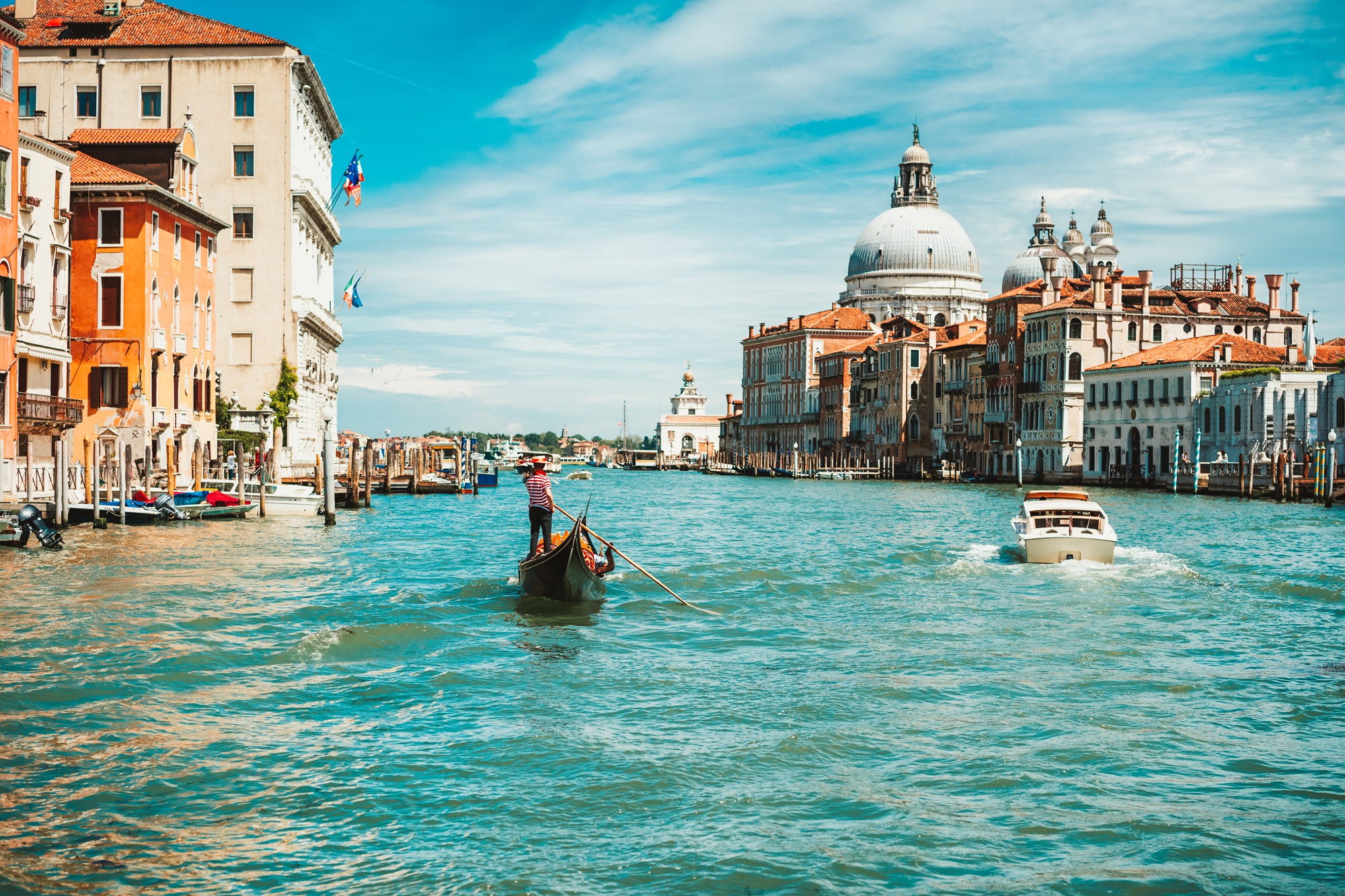
- Days 7–9: Venice – Start at St Mark’s Square early to beat the cruise crowds, tour the grand Doge’s Palace (prebook for the Secret Itineraries tour if interested), and take a classic vaporetto ride to Murano (glassmaking workshops) and Burano (vivid canals and lace traditions). Foodie couples might detour to the Rialto Market, while art lovers can opt for the Peggy Guggenheim Collection or Gallerie dell’Accademia. Walking is the main mode in Venice, but vaporetti simplify longer crossings and island day trips.
Food and drink
Each city offers its own culinary signatures worth planning a meal (or three) around. In Rome, sample classic pasta like carbonara or amatriciana in Testaccio or the trattorias of Trastevere; pizza al taglio (by the slice) is an essential quick lunch. Florence is all about bistecca alla fiorentina (T-bone steak) and hearty ribollita soup; visit Mercato Centrale for local stalls and food artisans, or seek out rustic osterias in Santa Croce. Venetian cuisine leans to cicchetti (canal-side bar snacks), fresh lagoon seafood at Rialto Market, and risotto al nero di seppia (made with cuttlefish ink). Top it all off with a Bellini at a Grand Canal terrace, or regional Chianti or prosecco by the glass.
Budget
This trip falls in the mid- to upper-mid range, dictated by accommodation location and food choices. Train fares are affordable if booked in advance; city centre hotels or apartments command a premium, particularly in Venice and Rome’s historic zones. Museum and gallery entries for headline attractions almost always require pre-booked tickets and may be a splurge (especially the Vatican and Uffizi). Daily spends are reasonable with set lunches, local cafes and aperitivo, but dinner at a view restaurant or rooftop bar is a classic, worthwhile indulgence. City tourism taxes and local transport passes add a minor extra, and some activities (like a gondola ride or private tour) are best budgeted as a special treat.
Practical tips
For trains, booking online with Trenitalia or Italo for specific times guarantees best fares and reserved seats. City public transport (bus/metro/tram) in Rome and Florence can be navigated with local tickets or passes; in Venice, ACTV passes (1–3 days) cover all vaporetti and are well worth it for island-hopping. Many major sights, including Vatican Museums, Uffizi and Doge’s Palace, routinely sell out in peak seasons—secure time-slot entry weeks in advance. Tipping is modest and rarely expected beyond rounding up for good service. Be aware of ZTL (limited traffic zones) in city centres: avoid driving in and look out for signage or hefty fines. Carry a credit card, but note that small trattorias may be cash-only. A physical or eSIM for mobile data is useful for map navigation, especially in Venice’s twisting lanes, and don’t underestimate walk times when planning days—pausing for coffee or gelato is part of the experience.