
Multi-city travel becomes exhausting when the itinerary focuses on destination count instead of movement quality, pacing and realistic energy management.
Many travellers underestimate how physically demanding hotel changes, transport movement and transfer logistics become across longer journeys.
At Yanvara, multi-city itineraries are designed around route efficiency, transfer simplicity and recovery pacing before attractions are added into the plan.
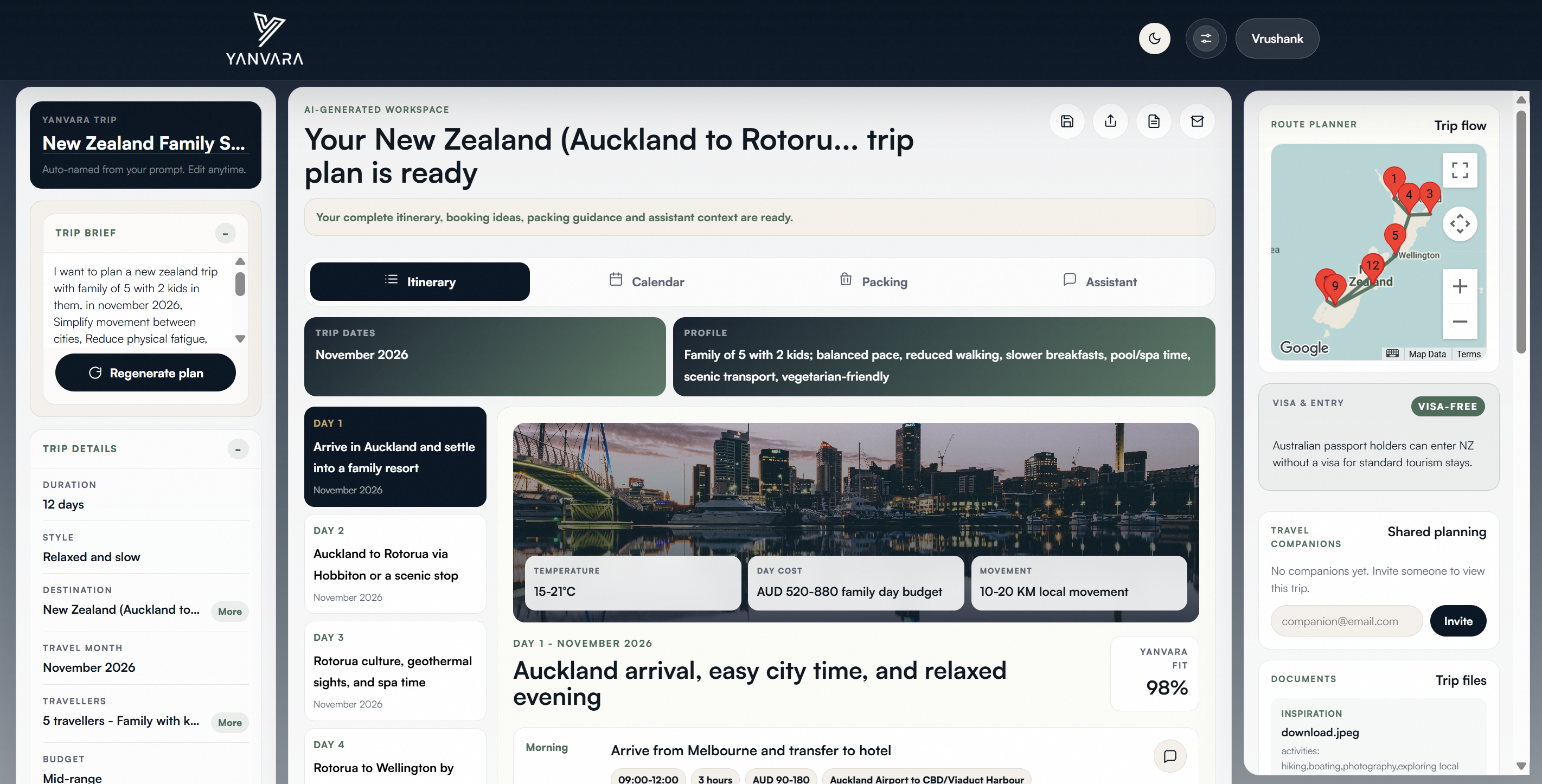
Reduce transfer fatigue first
Most multi-city itineraries fail because travellers optimise for destinations instead of energy.
Frequent hotel changes, overloaded transfer days and inefficient movement quickly create physical fatigue that compounds throughout the journey.
A premium multi-city itinerary should feel connected rather than fragmented.
The smoother the transfer flow feels, the more enjoyable the entire trip becomes.
Reduce unnecessary hotel changes
One of the biggest causes of travel burnout is changing hotels too frequently.
Every hotel transition creates hidden operational costs:
- Packing and unpacking
- Luggage transfers
- Check-in timing
- Transport coordination
- Walking load
- Energy disruption
A realistic itinerary should minimise unnecessary hotel movement whenever possible.
For example, staying four nights in a well-connected Tokyo district may create a significantly smoother experience than splitting the stay across multiple neighbourhoods. For destination insights, see our Japan travel guide.
Protect pacing across the entire route
Multi-city itineraries should alternate high-energy and lower-energy days naturally throughout the journey.
Not every day should contain major transfers and full sightseeing schedules together.
This becomes especially important for:
- Japan rail trips
- Europe multi-country itineraries
- Family travel
- Winter travel
- Luxury pacing trips
- Long-haul journeys
Build intentional recovery days
Recovery days are one of the most important parts of realistic multi-city travel planning.
These are lighter movement days that protect physical and mental energy throughout longer journeys.
Recovery days may include:
- Slower breakfasts
- Scenic transport rides
- Pool or spa afternoons
- Reduced walking days
- Flexible dining schedules
- Minimal transport movement
Multi-city travel becomes premium when movement feels sustainable across the entire route.
Protecting recovery pacing dramatically improves how travellers experience the journey emotionally and physically. For tips on recovery-friendly routes, browse our Iceland travel guide or explore other inspiring options in our South Island, New Zealand travel guide.
Use AI refinement to optimise route flow
The real value of intelligent travel planning begins after the itinerary already exists.
Travellers should be able to dynamically refine:
At Yanvara, multi-city travel planning is designed to create calmer, more sustainable journeys through intelligent route flow and reduced travel friction. For state-of-the-art digital route planning, see our Best AI Trip Planner travel guide.