Overview
New Zealand’s South Island is a world-class destination for road trip enthusiasts with a passion for wild landscapes, alpine adventure, and rare wildlife encounters. Over 12 days, ambitious couples and small groups of friends can embark on a classic loop, tracing the shores of glacial lakes, winding through mist-shrouded rainforests, and venturing out to the windswept coasts. The route showcases iconic sights like Milford Sound’s mythic fjords, the icy tongues of Franz Josef and Fox Glaciers, the untouched beaches of the West Coast, and famed adventure hubs such as Queenstown and Wanaka—all dotted with unique southern wildlife like penguins, seals, dolphins, and albatross.
This trip is made for active travellers who want to blend scenic drives with hiking, kayaking, glacier exploring, and mingling in alpine towns at day’s end. It’s perfect for those craving a high-energy, independently paced itinerary with a comfortable vehicle or campervan as their base. It’s less suited for those seeking a relaxed spa retreat or who prefer to limit driving—expect some long and winding drives, remote stretches, and full days of activity.
Best time to visit
The South Island shines from November to April, when the weather cooperates with clear skies and long daylight hours ideal for hiking, kayaking, and driving. Peak summer (December through February) brings the warmest days, but sees major hotspots, campsites, and tours book up fast. November and March–April are shoulder months: you’ll have fewer crowds, vivid wildflowers in bloom, vivid autumn foliage, and an appealing freshness to the air. Early spring and late autumn might see a dusting of snow on higher peaks, which adds atmosphere but can close a few walking tracks or unsealed backroads.
The absolute best month is March: it combines milder crowds, reliably good weather for hiking and glacier visits, incredible mountain colours, and excellent wildlife viewing.
Getting there and around
The most practical entry point is Queenstown Airport, with regular domestic flights from Auckland, Wellington, and Christchurch and some international routes. If you finish in Christchurch, you can easily drop off rental cars or campervans there and fly onwards. This loop relies on self-drive: hire a car or campervan at Queenstown and return it in Christchurch, maximising flexibility for detours and scenic stops. New Zealand’s InterCity coach services do connect some towns, but limited West Coast transport means self-driving is vastly superior to experience the full route.
Queenstown to Te Anau is about 2 hours; Te Anau to Milford Sound is a 2-hour drive each way plus stops (returning through Te Anau). Wanaka is a 3-hour drive from Te Anau and a further 3 hours to either glacier township. Franz Josef and Fox Glacier are close; drive time between them is under 30 minutes, but allow more for the stunning detours. From glaciers to Hokitika is about 2 hours, then Hokitika to Punakaiki is another 2 hours on coastal SH6. The drive to Kaikoura via Arthur’s Pass is 5–6 hours including stops. Finish with a 2.5-hour cruise up the coast to Christchurch. All roads are sealed, but be prepared for narrow, winding stretches and occasional one-lane bridges, especially along the West Coast.
Where to stay
- Central Queenstown: Ideal for couples or groups who want walkable access to adventure tour launches, nightlife, cafes, and the iconic lakefront.
- Te Anau Township: Compact, peaceful base for those prioritising easy access to Fiordland National Park and early Milford Sound trips.
- Wanaka Lakeside: Perfect for travellers seeking boutique accommodation, great coffee, and instant access to walking and cycling tracks.
- Franz Josef Village: Suits glacier explorers who want to be close to guided hikes, hot pools, and rainforest walks—plus the best local dining.
- Kaikoura Esplanade: This beachfront strip delivers sweeping sea views and walkable access to whale-watching tours, seal colonies, and lively seafood spots.
Suggested day-by-day
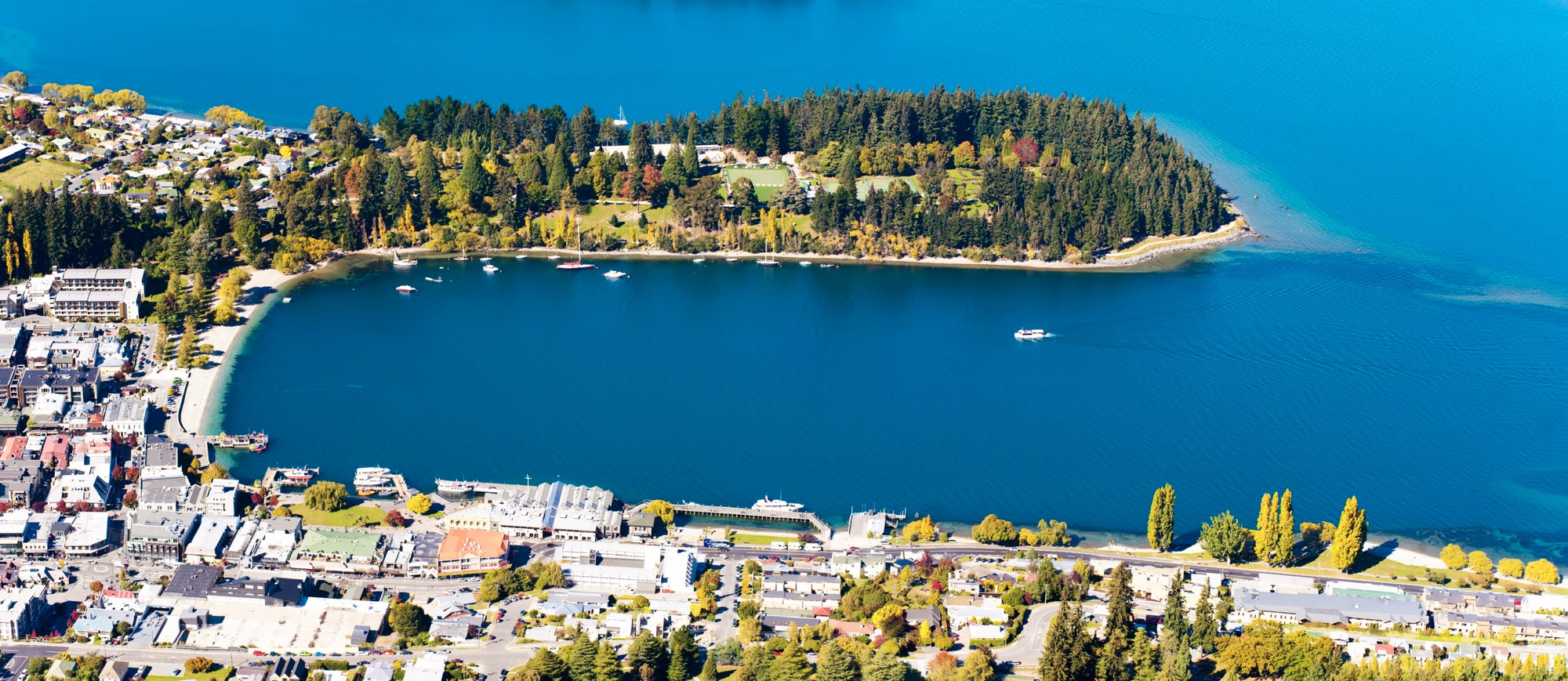
- Days 1–2: Base yourself in Queenstown to try bungee jumping, jet-boating on the Shotover River, or a scenic cruise on Lake Wakatipu. Explore Queenstown Gardens, wander along the lakeside, and don’t miss an afternoon detour to charming Arrowtown historic gold-mining village (20 minutes’ drive one way).
- Days 3–4: Continue to Te Anau, gateway to Fiordland National Park. Take a scenic drive or join an early coach into Milford Sound, then board a nature cruise or guided kayak to see waterfalls and fur seals. Explore Te Anau Glowworm Caves in the evening, and walk a section of the Routeburn Track (organise a one-way shuttle if attempting a full day-hike).
- Days 5–6: Cross southern Central Otago to Wanaka, where you can cycle the lakeside Millennium Track, enjoy a lakeside picnic, and sample local beer at Wanaka Beerworks or food at the weekly farmer’s market. Spend half a day hiking the Rob Roy Glacier Track in Mt Aspiring National Park, then relax at Cardrona Distillery on your return.
- Days 7–8: Head north to the West Coast glaciers. Join a heli-hike on Franz Josef or Fox Glacier, relax at the Glacier Hot Pools, and stroll through lush rainforest on the Tatare Tunnels Walk. Drive to Lake Matheson near Fox for iconic mirror reflections of Aoraki/Mount Cook (best at sunrise or sunset).
- Days 9–10: Follow SH6 to Hokitika, famous for its pounamu (jade) carvers and the Hokitika Gorge’s turquoise water. Wander the wild Hokitika Beach at sunset, then visit the National Kiwi Centre. Continue up to Punakaiki to see the Pancake Rocks and blowholes—allow time for short walks through Paparoa National Park and dolphin-spotting at nearby beaches.
- Days 11–12: Cross the Southern Alps via Arthur’s Pass, stopping for short rainforest walks like the Devils Punchbowl Falls or kea-spotting at the village. Drive on to Kaikoura for a boat-based whale-watching tour or seal colony walk at Point Kean, then hug the spectacular SH1 coastal bluffs to finish in Christchurch.
Food and drink
South Island’s culinary highlights include Queenstown’s Fergburger and Patagonia Chocolates, Central Otago’s pinot noir vineyards, and Wanaka’s weekly farmer’s market for regional cheeses, breads, and berries. Sample fresh seafood—crayfish and paua at Kaikoura’s beach shacks and whitebait fritters along the West Coast (try the stalls at Haast). Hokitika has top craft breweries and artisan ice cream, while every town will have bakeries selling classic New Zealand pies perfect for a quick lunch between hikes. Evening meals in small towns often revolve around hearty pub fare or international cuisine, especially Thai or Italian.
Budget
This trip is moderately priced by New Zealand standards, with some splurges for key experiences: adventure activities in Queenstown, glacier heli-hikes, and wildlife cruises are premium but worth the investment—book these major activities in advance, especially in summer. Car or campervan hire and petrol are the next biggest costs but standard across the region. Accommodation runs from basic holiday parks (ideal for campervans) and motels to boutique lodges and mid-range hotels—small towns usually have at least one option for each level. Meals and groceries can be kept affordable by self-catering, but local restaurants and occasional splurges on seafood, craft beers, or winery tastings are part of the fun. Most sights are free or low-cost hikes; guided wilderness and wildlife encounters are where you’ll spend extra—but they’re a highlight.
Practical tips
Reserve your rental car or campervan months ahead if travelling in peak season, and use the NZTA Journey Planner to check for road closures or weather alerts. Download essential offline maps (Google or Maps.me) as West Coast and Fiordland have spotty reception; an NZ SIM card with Spark or Vodafone covers most towns. The DOC (Department of Conservation) Visitor Centres in each region offer updated trail, wildlife, and weather advice. Bring layers for variable weather, insect repellent for sandflies (especially at lakes and on the coast), and driving patience for one-lane bridges and scenic slow zones. Tipping isn’t expected; rounding up for excellent service is sufficient. Always pre-book key activities such as Milford Sound cruises, glacier walks, and Kaikoura wildlife tours well ahead, as same-day spots are rare in high season. If freedom camping, check local regulations and always use designated sites; in national parks, book any DOC huts or campsites online to avoid disappointment.