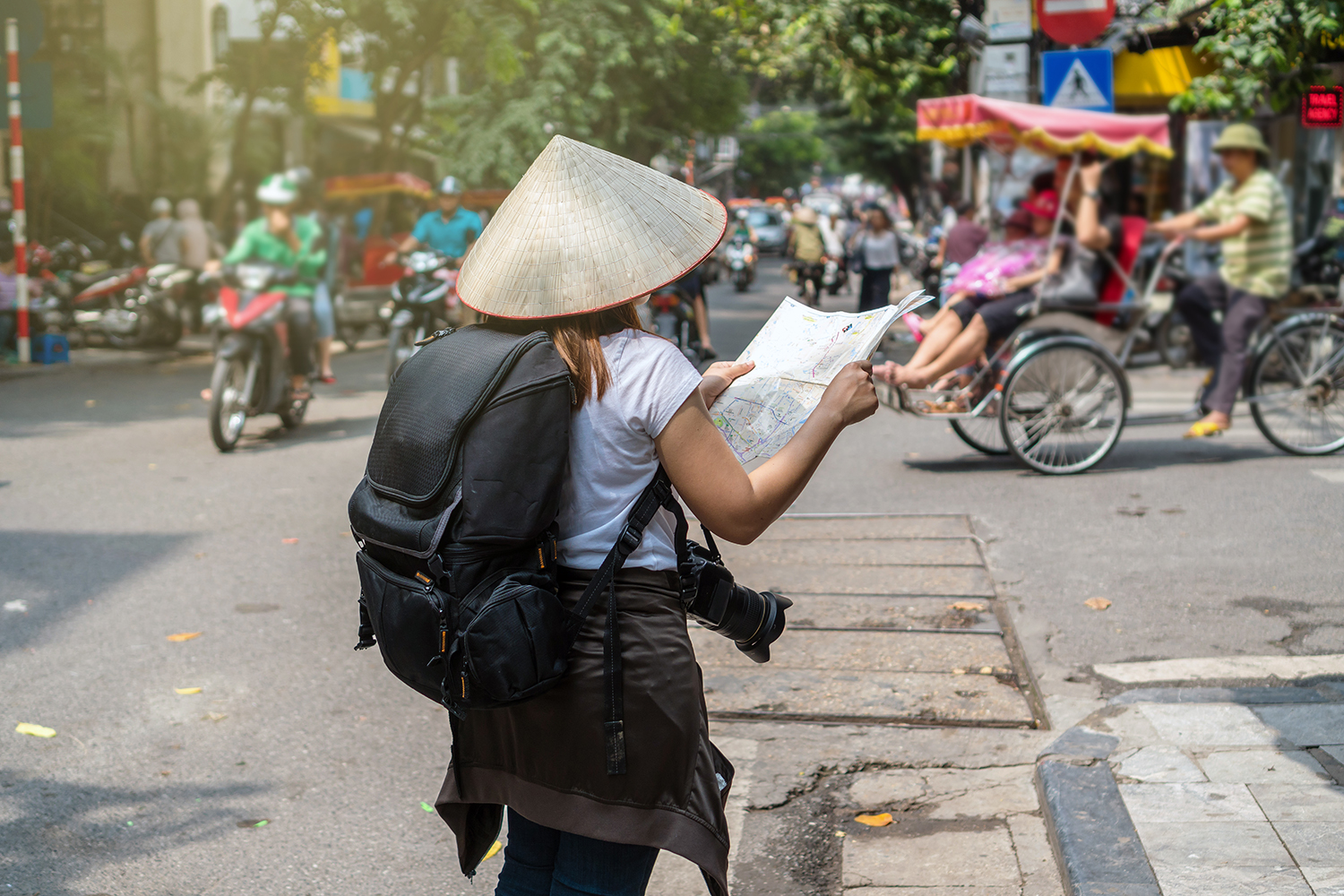
Vietnam is one of the most geographically compelling trips you can plan — and one of the easiest to get wrong.
The country runs more than 1,600 kilometres from Hanoi in the north to Ho Chi Minh City in the south. Between them: Ha Long Bay, the imperial city of Hue, the lantern-lit streets of Hoi An, the coastal energy of Da Nang. Each region feels distinct. The routing decision — where to start, how to move, what to skip — shapes the entire experience.
AI handles that logic so you don't have to rebuild it from scratch.
North vs South first
The most common planning mistake in Vietnam is trying to do it "both ways" — flying into Hanoi, travelling south to Ho Chi Minh City, then flying home from the same end you started. Fly into one end and out the other.
Most travellers find north-to-south more compelling as a narrative arc. Hanoi and Ha Long Bay are extraordinary openers. The pace slows through Hue and Hoi An. Ho Chi Minh City is a high-energy finale. The journey builds.
The travellers who love Vietnam most are usually the ones who slowed down in the middle — Hue, Hoi An, the coastal stretch — rather than rushing straight between the two big cities.
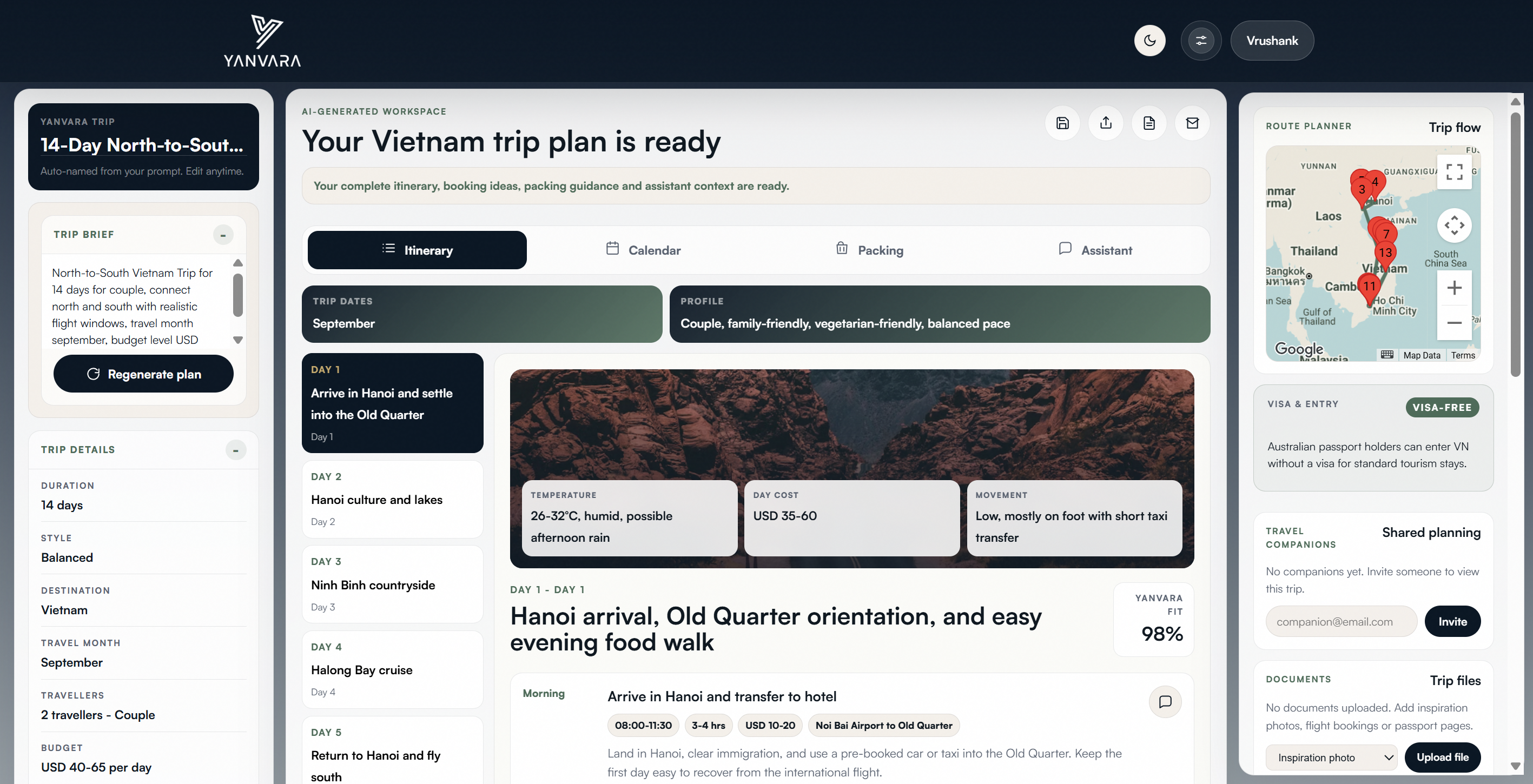
14-day North-to-South route
This structure covers the essential regions without over-compressing. Adjust pace based on your travel style — this works well at relaxed to balanced.
- Days 1–3: Hanoi — Old Quarter, Hoan Kiem Lake, street food tour, Hoa Lo Prison.
- Days 4–5: Ha Long Bay — Overnight cruise. Book a mid-range junk with fewer passengers for a quieter experience.
- Days 6–7: Hue — Imperial Citadel, royal tombs, banh mi on the Perfume River.
- Days 8–9: Hoi An — Ancient Town, bicycle to An Bang Beach, tailored clothing (allow 3-day turnaround).
- Days 10–11: Da Nang — Marble Mountains, My Son Sanctuary, Bana Hills (skip if theme parks aren't your thing).
- Days 12–14: Ho Chi Minh City — War Remnants Museum, Cu Chi Tunnels, Mekong Delta day trip.
Train vs flight decisions
Vietnam gives you genuine choices for every leg, and the right answer depends on your time, budget and how much you value the journey itself.
The overnight sleeper train from Hanoi to Hue takes 12–14 hours and runs along the coast — it's one of Vietnam's genuinely great journeys. Hue to Da Nang is only 2.5 hours by train and passes through the spectacular Hai Van Pass. Da Nang to Ho Chi Minh City is flight territory.
When you generate your Vietnam route in Yanvara, transport logic is built into the day-by-day structure — so you can see the movement flow before you commit to anything.
Budget and costs
Vietnam continues to offer excellent value in 2024 and into 2025. A mid-range budget of USD 40–65 per day still covers good accommodation and quality restaurants with room to spare. A few anchor costs worth knowing upfront:
- Ha Long Bay cruise: USD 100–200 for a quality two-day cruise. This is the biggest single expense on the trip and worth spending properly on.
- Domestic flights: USD 20–55 per leg booked in advance with VietJet or Bamboo Airways.
- Overnight sleeper train: USD 15–35 depending on cabin class.
- Local transport: Grab is cheap throughout — budget USD 2–5 for most city rides.
- Tailoring in Hoi An: USD 40–100 for a well-made garment depending on complexity.
Spending more on the Ha Long Bay cruise is almost always worth it. The difference between a budget and mid-range boat is significant — fewer passengers, better food, quieter bays.
Planning more of Asia? Check our Thailand travel guide for more ideas nearby. For European inspiration, see our Azores, Portugal travel guide.