Overview
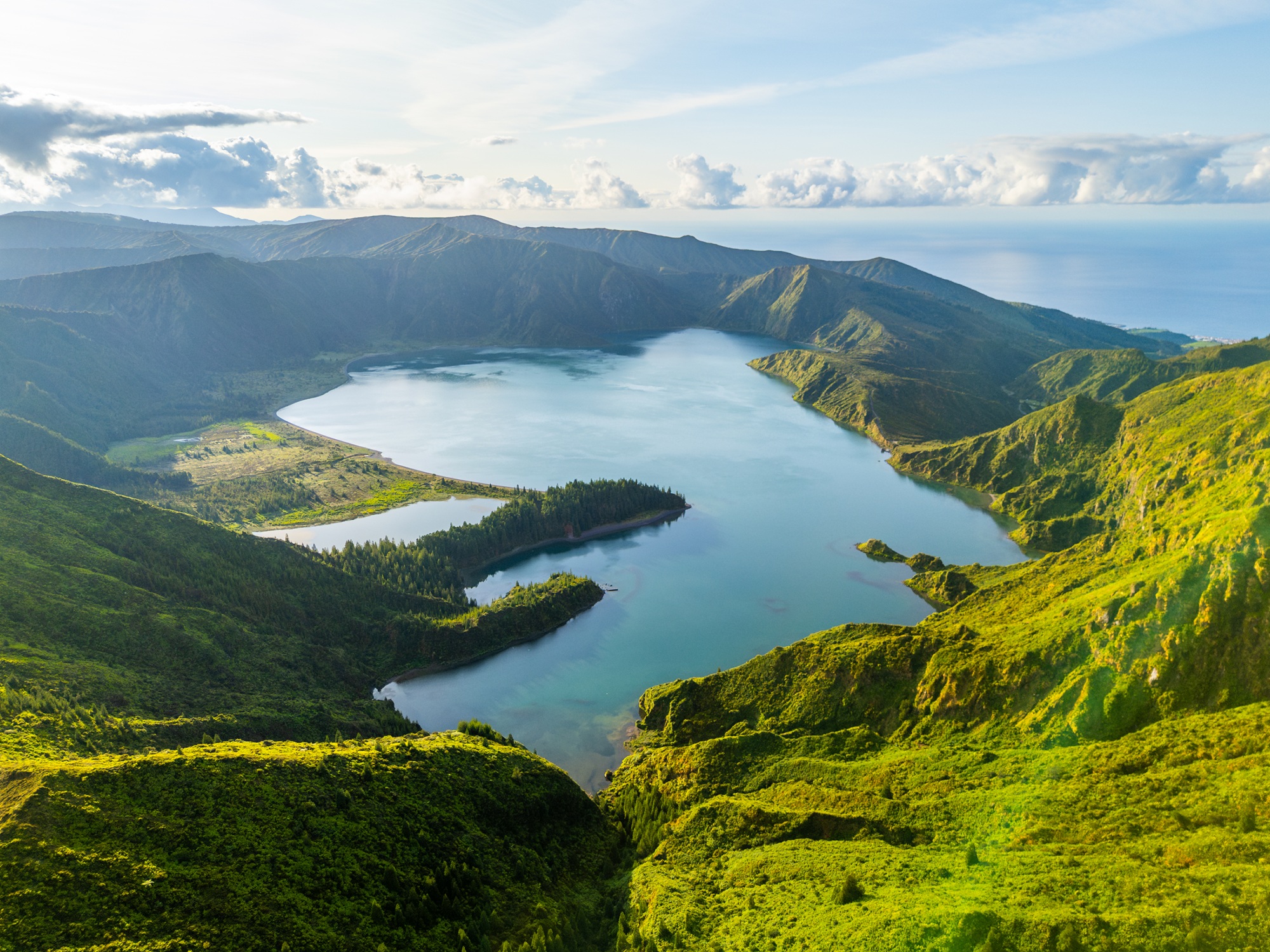
Stretching across the mid-Atlantic, the Azores are a spectacular string of volcanic islands belonging to Portugal, known for their emerald-green crater lakes, lush hydrangea-flanked roads, dramatic coastline, and a sense of tranquility rare in Europe. This nine-day itinerary envelopes you in the dramatic natural beauty of São Miguel, Pico, and Faial, blending leisurely exploration with immersive experiences—from hiking around dormant volcanoes to soaking in geothermal pools and tasting Atlantic-fresh seafood in sleepy seaside villages. The region’s slow pace, coupled with welcoming local communities, makes each day an invitation to reset amongst thermal springs, sea spray, and unique rural traditions.
This trip is tailored for solo nature seekers and slow travellers eager to savour landscape, culture, and a quieter way of life. There’s deep satisfaction in walking at your own pace, tracing old hydrangea-bordered lanes or hiking to waterfalls without crowded viewpoints. It’s less suited for high-adrenaline adventurers looking for nightlife or group dynamics—public transport is limited, and the islands' appeal is rooted in time spent moving slowly. Here, solo exploration offers time to reflect, whether you’re gazing across Sete Cidades’ twin lakes, climbing volcanic peaks, or pausing for a local vinho verdelho at sunset.
Best time to visit
The Azores' weather is temperate but changeable, with microclimates created by the islands’ volcanic topography. Late spring through early autumn (May to September) is ideal for outdoor adventure, with wildflowers and hydrangeas in bloom, whale watching at its best, and comfortably swimmable sea temperatures. July and August see higher numbers—especially on São Miguel—but rarely feel crowded, as most tourists stick to key towns. Winter (November to March) brings lush, misty landscapes and the dramatic energy of Atlantic storms, but hiking trails may be muddy and some inter-island ferries are less frequent. If your priority is vivid blooms and reliable hiking weather, June is the single best sweet spot: flowers are at their peak and crowds remain light.
Getting there and around
Ponta Delgada (PDL) on São Miguel is the main international gateway, with frequent direct flights from Lisbon and some major European cities. For Pico, flights operate via the small Pico Airport (PIX), accessible from São Miguel and Terceira, plus seasonal connections to Lisbon. Inter-island travel is most efficiently managed with SATA Air Açores flights for longer hops, or Atlanticoline ferries for links like Pico–Faial. Ferries run year-round between Pico and Faial (approx. 30 minutes), but schedules may thin out in winter.
Car hire is essential on each island; public transport is sparse and doesn’t reach many trailheads or springs. Roads are generally excellent, with light traffic except near Ponta Delgada. Pre-book vehicles, especially in high season. Hiking trails are well-marked on all three islands. It’s manageable to base yourself in one or two locations per island and explore by day trips. For this itinerary, each major leg—São Miguel to Pico, Pico to Faial—is under 2.5 hours including transfers and flight or ferry.
Where to stay
- Ponta Delgada (São Miguel): Best for access to restaurants, walking tours, and public buses to local attractions—ideal for a first or last night on the island.
- Furnas (São Miguel): Charming thermal village for travellers drawn to tranquil gardens, geothermal pools, and rural hospitality.
- Madalena (Pico): The hub for wine-country accommodation, good for solo travellers wanting easy access to ferries, guided tours, and Pico’s cultural centre.
- Horta (Faial): This historic yachting port is perfect for those wanting café culture and views of Pico’s peak across the strait, but still in easy reach of volcanic hiking.
Suggested day-by-day
- Days 1–3: São Miguel – Settle in Ponta Delgada, orienting with a stroll through the Mercado da Graça and the town’s black-and-white cobbled streets. Drive to Sete Cidades for panoramic hikes (such as Vista do Rei), kayak or bike around the twin lakes, bathe in the lush geothermal waters of Caldeira Velha, and enjoy a tasting menu of local seafood and limpets. Dedicate a full day to Furnas: explore Terra Nostra Park’s hot-spring-fed pool, witness volcanic steam vents, and enjoy a traditional cozido stew cooked underground at Lagoa das Furnas. If time, wander the Gorreana Tea Factory for a rare European tea plantation experience. Overnight in either Ponta Delgada or Furnas.
- Day 4: São Miguel – Tackle the circular Salto do Prego waterfall trail from Faial da Terra, traversing Atlantic forest with a rewarding swim beneath the waterfall. In the afternoon, unwind at Termas da Ferraria’s unique seaside hot pools—where geothermal waters mix with the Atlantic at high tide—before a sunset stop in Mosteiros for clifftop views and photogenic basalt arches. Overnight Ponta Delgada.
- Day 5: São Miguel to Pico – Early flight to Pico Island (PIX). Base yourself in Madalena, the heart of Pico’s vineyard UNESCO landscape. Visit the Museu do Vinho for a sense of the island’s unique lava-walled viticulture, and stroll the striking coastline at Lajido, admiring traditional adegas (wine cellars). Learn about Azorean heritage at the Museu da Indústria Baleeira, reflecting Pico’s whaling history. Optionally walk or bike through rolling vineyards before a sunset at a local tasca.
- Days 6–7: Pico – Weather permitting, summit Mount Pico (advanced; guides required) or circle its lower slopes on the easier Caminho dos Burros trail for unparalleled volcanic views. Book a responsible whale- or dolphin-watching excursion from Lajes do Pico, where you’ll spot sperm whales and dolphins offshore. If hiking isn’t possible, explore Gruta das Torres, a 5-km lava tunnel, or swim in the natural rock pools of São Roque.
- Days 8–9: Pico to Faial, return Pico – Catch the Atlanticoline ferry to Horta, Faial’s bustling marina town (30 min). Visit the Capelinhos volcano interpretation centre and lighthouse, explore the alien lunar landscape where the island expanded in 1957, and have a coffee at Peter Café Sport, a legendary sailors’ haunt adorned with maritime memorabilia. Stroll the marina’s painted murals and, if time, detour to Praia do Almoxarife for views of Pico mountain. Return to Madalena for a final evening—savour grilled fish by the harbour—before your departure flight the next morning.
Food and drink
The Azorean table is a slow traveller’s delight: hyperlocal and shaped by land and sea. On São Miguel, sample cozido das Furnas (a smoky meat and vegetable stew, slow-cooked in volcanic earth) and grilled lapas (limpets) at Ponta Delgada’s Mercado do Peixe. Don’t miss fresh cheese from local dairies—especially queijo fresco—paired with the island’s own pineapple. Pico is renowned for its verdelho white wine; try it at Adega A Buraca alongside polvo guisado (octopus stew) and cracas (barnacles) at seaside tascas. Horta’s marina delivers legendary gin and tonics at Peter Café Sport, but look for morning sweetbread (folares), fresh tuna, and local honey at Horta Market. For picnics, farmers’ markets abound, and the islands’ only tea plantations near Gorreana and Porto Formoso offer aromatic black and green teas for a gentle afternoon pause.
Budget
Travelling the Azores at a slow pace is relatively affordable, especially outside July–August. Self-catered picnics from local markets, and stays in guesthouses or rural tourism homes, stretch funds. Car hire is the key splurge and should be factored in daily. Whale-watching trips, summit hikes with qualified guides, and entry to geothermal springs are worth pre-booking and are the biggest single-day expenses. Dining in small village restaurants can be great value, but seafood and artisan cheese are inexpensive treats to indulge in. Last-minute inter-island transport can be pricey if not booked in advance, so plan major hops early for better deals.
Practical tips
Book island flights or ferries at least a few weeks out in high season—popular slots can fill fast. Hire cars should also be pre-arranged, as demand often outpaces supply, especially on Pico and São Miguel. Download offline maps (mobile signal can be patchy on remote trails), and carry a European travel adapter for charging devices. The Azores' rechargeable “Cartão Intermodal” can be useful for limited bus journeys around Ponta Delgada, but most rural areas require a car. Tap water is safe throughout the islands, and English is widely spoken in tourism spots, but learning a few Portuguese greetings is appreciated. Tipping is not expected but rounding up in restaurants is welcomed for great service. Respect all signed geothermal zones; trails and hot springs can be hazardous off-path. Check weather and ferry updates regularly, as Atlantic conditions can quickly alter plans—always have a flexible backup activity, just in case!