Overview
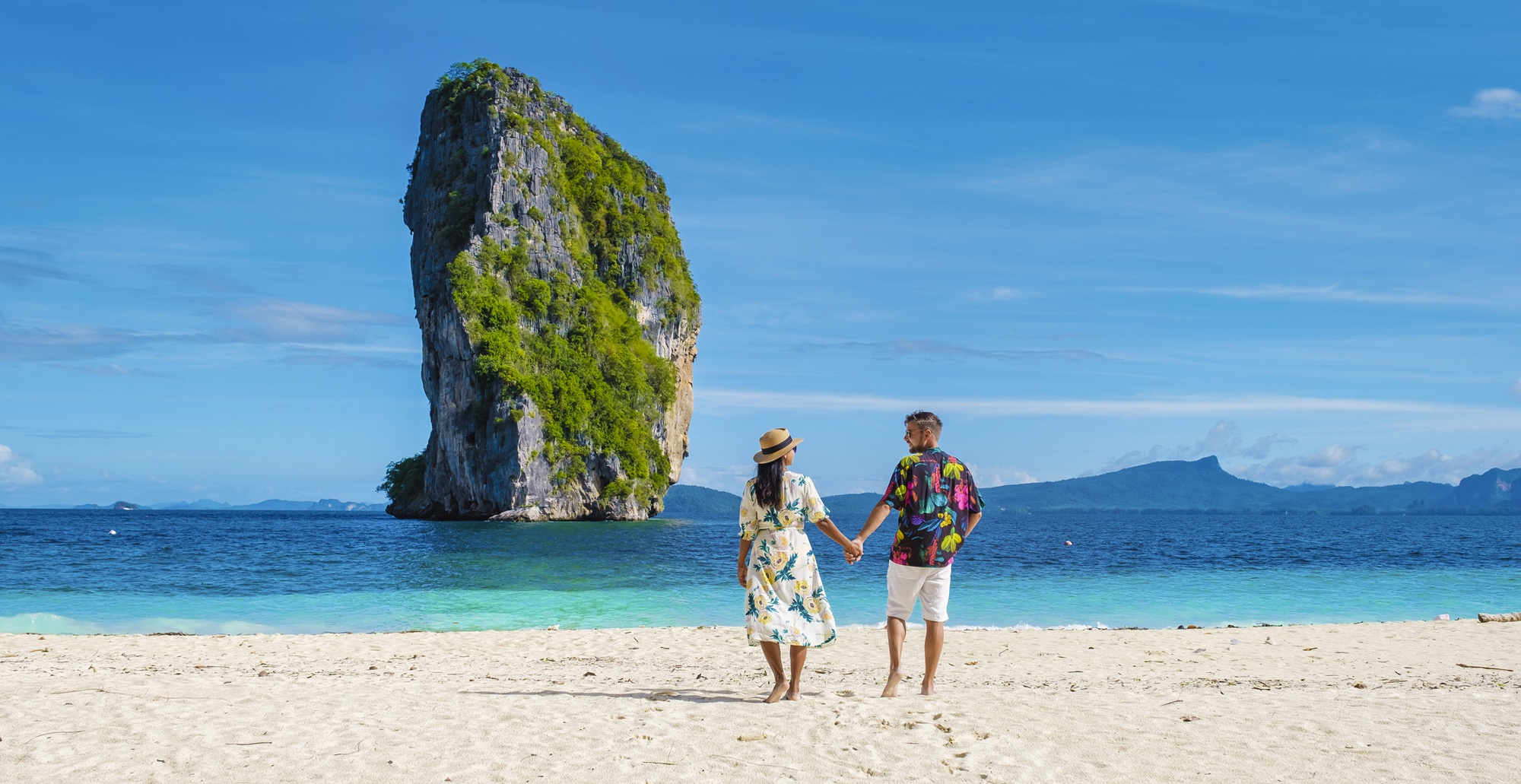
Thailand combines buzzing cityscapes with lush mountains and postcard-perfect islands, all stitched together by superb food and famously friendly local hospitality. On a first trip, few routes showcase its variety as well as this classic trio: dynamic Bangkok, the more laid-back north around Chiang Mai, and then down to the southern islands. The tempo shifts as you go: start with the intensity of metropolitan markets and temples, decompress among ancient wats and jungle hills, then end with days of beach-hopping and turquoise seas.
This 12-day itinerary is tailored for backpackers and flexible travellers—those who value a mix of local culture, nightlife, independent exploration, and time to connect with fellow travellers. It works best for budget-minded visitors open to travelling light and jumping between hostels, night markets, and ferry ports. Hardcore wilderness seekers or those wanting ultra-luxury beach escapes may crave either more time in a single region or an alternative, slower-paced route.
Best time to visit
Thailand’s peak travel window is November to February, when most of the country is dry, less humid, and daytime temperatures hover in the high 20s Celsius. This is ideal for backpackers: pleasant walking temperatures in Bangkok and Chiang Mai, and reliably sunny days on the Andaman Coast (Phuket, Krabi, Koh Phi Phi, Koh Lanta). March to May brings rising heat—especially in the north and Bangkok—while June to October is monsoon season on the Andaman side, but the Gulf coast (Koh Samui, Phangan) often sees drier weather then.
Festivals like Loi Krathong (usually November, most striking in Chiang Mai) and Songkran (April, nationwide water festival) add colour and crowds. Night markets and street food are lively year-round, but room rates and ferry capacity fluctuate with the seasons. If you want a balance of good weather, lower prices, and manageable crowds, late November to early January is the single best period for this route.
Getting there and around
Bangkok’s Suvarnabhumi (BKK) and Don Mueang (DMK) airports handle nearly all international arrivals, plus cheap domestic flights. Chiang Mai is best reached via 1hr domestic flight; overnight trains exist but take 12-14 hours and are best reserved. For continuing south, fly from Chiang Mai to Krabi, Phuket, or Surat Thani (for Gulf islands) – flights are under two hours and widely available.
Once in the south, travel between islands like Koh Phi Phi, Koh Lanta, and Koh Samui depends on the season and involves ferries (~1–2 hours per leg); short-timed buses or minivans connect ports to main towns. Train/bus routes from north to south are possible for the very budget-conscious, but take 18+ hours, so flying is far more efficient. Tuk-tuks, Grab taxis, and songthaews (shared red trucks) make short hops in cities affordable and sociable. No backpacker rail pass is widely used for this route.
Where to stay
- Bangkok – Banglamphu (Khao San Road area): Backpacker central, near temples and nightlife, loads of hostels and budget guesthouses. Best for first-timers and solo travellers.
- Bangkok – Silom/Sathorn: Well-connected by Skytrain (BTS) and metro, quieter at night, close to Lumpini Park and great street food. Suits those preferring fewer backpacker crowds.
- Chiang Mai – Old City: Surrounded by moats, this square kilometre contains scores of temples, cheap eats, craft shops and budget accommodation – ideal for sightseeing and social hostels.
- Southern Islands – Koh Lanta Long Beach/Phra Ae: Chilled beach bungalows, sociable traveller bars, close to island ferry piers. Perfect for downtime and meeting other travellers.
- Southern Islands – Koh Phi Phi Tonsai Village: Lively nightlife and dive shops, instant access to boat tours, but busy. Good for party-minded backpackers.
- Southern Gulf – Koh Samui Mae Nam: Relaxed, less flashy than Chaweng/Lamai, quieter hostels and guesthouses, easy ferry access for onward travel.
Suggested day-by-day
- Days 1–3: Land in Bangkok. Settle into Banglamphu for easy Grand Palace visits, stroll through Chatuchak Weekend Market’s maze, cruise down the Chao Phraya River at sunset, and eat your way along Yaowarat Road (Chinatown). Use BTS/Skytrain to zip between temples and malls.
- Day 4: Take a morning domestic flight direct to Chiang Mai (book in advance for best rates); afternoon stroll in the peaceful Old City or a coffee break at Nimmanhaemin Road cafes.
- Days 4–6: Base in the Chiang Mai Old City. Visit golden-spired Wat Phra Singh and Wat Chedi Luang, spend half a day with elephants at Elephant Nature Park or similar ethical sanctuary (book transport in advance), grab dinner at the North Gate night market or Saturday/Sunday Walking Street, and hike or take a red truck up Doi Suthep for city views.
- Day 7: Fly south (early flight best); if heading to the Andaman, use Krabi airport for access to Koh Lanta and Koh Phi Phi, or use Surat Thani airport for ferries to Koh Samui/Phangan. Allow 2–3 hours including airport transfer.
- Days 7–12: Pick either the Andaman (Koh Lanta, Koh Phi Phi, Krabi Railay) or Gulf (Koh Samui, Koh Phangan) islands, depending on season. In the Andaman, ferry-hop between Koh Lanta’s mellow beaches, Phi Phi’s iconic cliffs and Railay; in the Gulf, relax on Koh Samui’s Mae Nam or Bophut, and party or chill on Koh Phangan. Prioritise a snorkelling or longtail boat tour, find tucked-away beach bars, and check local schedules for the next ferry and evening food markets. On your final day, depart by ferry and flight (usually via Surat Thani or Krabi airports).
Food and drink
Bangkok is legendary for its street food: watch for pad Thai vendors on Khao San Road, spicy grilled chicken skewers (gai yang) and mango sticky rice at Chatuchak Market, and bustling night markets like Talad Rot Fai. In Chiang Mai, sample local khao soi (curried egg noodles) at Khao Soi Khun Yai, snack on sai ua sausage or fried snacks at the Sunday Walking Street, and sip iced coffee at tucked-away cafes. Down south, seek out tom yam soup with seafood, coconut milk-based curries, and fresh beachside barbecues—particularly around Koh Lanta’s night markets and Koh Samui’s Fisherman’s Village. Inexpensive tropical fruits like rambutan and durian are everywhere, and even small island towns have local markets worth exploring at breakfast.
Budget
Backpacking Thailand remains relatively affordable: street food, shared tuk-tuks, hostels, and local ferries keep daily costs low. Domestic flights, while a splurge compared to buses/trains, save time and are usually worth pre-booking to avoid last-minute price spikes. The main extravagances are island boat tours, national park fees, ethical wildlife visits, and the occasional big night out. Central city stays, and evenings in Bangkok or Chiang Mai, can be done cheaply with local markets and hostel dorms. Island accommodation varies widely—cheapest near ferry hubs, more scenic (and expensive) at remote beaches. For this trip, budget for a mix of hostel dorms, occasional guesthouse upgrades, regular market dining, and at least one pre-booked island or elephant sanctuary day trip.
Practical tips
Book domestic flights (Bangkok–Chiang Mai, Chiang Mai–south) several weeks out for best fares, especially at peak season or around festivals. Ferries can fill up in holiday weeks—buy tickets at least a day in advance, especially between Koh Phangan and Samui during Full Moon Party time. Cash remains king at markets and street stalls; ATMs are widespread but charge withdrawal fees. Thai SIM cards offer cheap unlimited data—buy on arrival in Bangkok. Tipping is not compulsory but rounding up small change for drivers and hotel staff is appreciated. Respect local customs by covering shoulders and knees when entering temples, and avoid photographing monks or worshippers without permission. Always double-check which coast’s islands suit the season—Andaman and Gulf have different monsoon windows—so you’re not stranded with rain or missed ferries. Visa exemption covers most visitors for up to 30 days, but check your passport’s requirements and have proof of onward travel to avoid airline hassles.