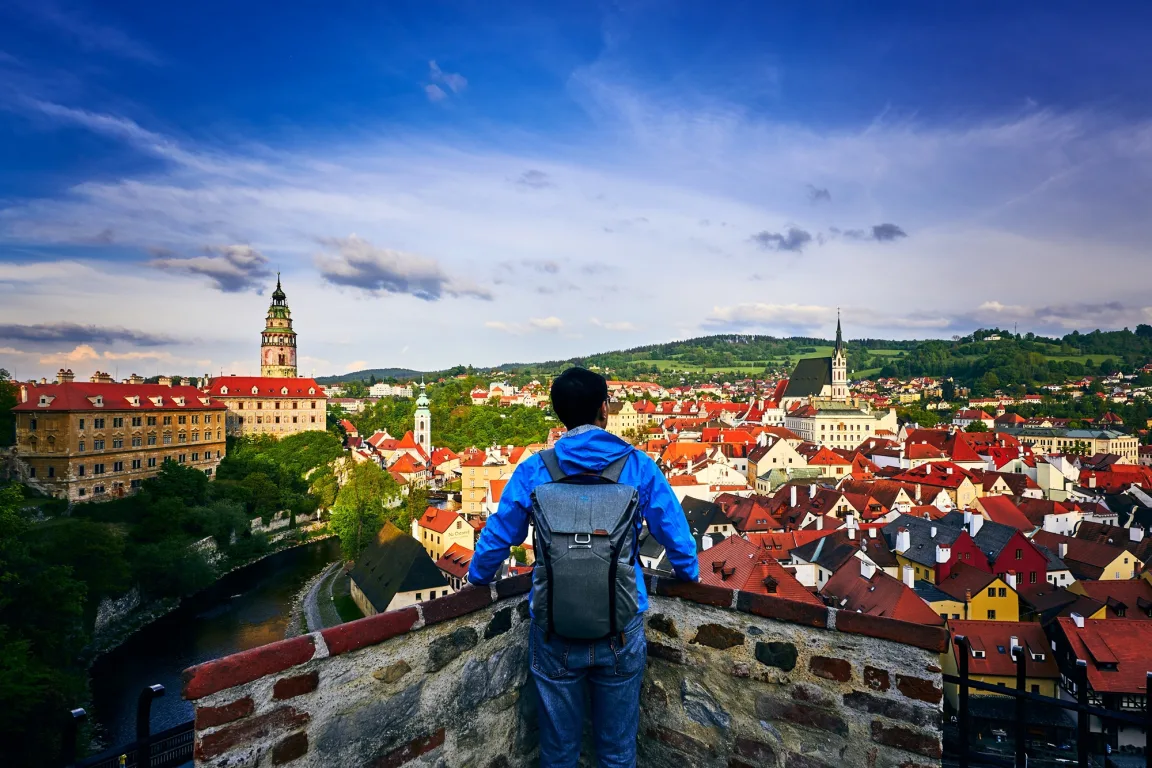
A great city weekend isn’t about ticking off landmarks—it’s about shaping a trip that energises rather than exhausts, with just enough discovery, downtime and real-world logistics flow to make even a short trip feel like something memorable.
What Makes a Great City Break?
A great city break balances immersion, rest and movement so that travellers feel energised, not depleted, by Monday. The best weekends don’t try to cram in maximum sights, but instead focus on a few quality experiences, simplified transfers and a base that supports easy returns.
This means not just booking a central hotel and making a list of attractions. Smart city break planning starts with clear priorities—whether it’s food, culture, slow morning cafés or iconic walks—and builds outwards, protecting both your energy and your enjoyment. An AI travel planner like Yanvara can help match your interests and time window to venues and pacing that feel realistic, not frantic or underwhelming.
Try to trim the itinerary until everything left feels essential, with clear separation between high-energy outings and relaxed pauses. In cities like Paris, Seville or Ljubljana, this might mean skipping a third museum in favour of a riverside aperitif or a park stroll between bigger sights—see our Slovenia travel guide for local, slower city suggestions.
The best weekends are the ones where you remember the atmosphere as much as the attractions.
Choose the Right Base for Maximum Flow
The right base is the secret ingredient of a seamless city weekend—pick a location that supports easy airport or rail access, close returns between outings, and nearby essentials like bakeries, late-night food, or leafy public spaces.
For a short break, avoid hotels that require awkward transfers or late-night taxis just to reach your room. Instead, work out where your personal ‘center of gravity’ will be based on planned activities—whether that’s a foodie district, riverside, or arts precinct. An AI itinerary builder can propose hotels near your visit flow, rather than just scoring high on review sites.
In Seville, staying near the Alameda means tapas, bars, and morning coffee are steps away—so even if you return late from a day trip, friction is low and downtime feels local, not rushed.
A smart base also reduces walking load, a common city break fatigue trigger. If you know you’ll want to change shoes, drop off shopping, or refresh before dinner, proximity matters more than price or star rating. For inspiration, our Andalusia, Spain travel guide includes practical base suggestions for multi-city trips.
Pace Intelligently: Quality Over Count
Savvy travellers know: seeing fewer sights well beats rushing through an endless checklist. By pacing intelligently, your limited hours become more rewarding and less stressful.
Block mornings for focused exploration—museums, local markets, guided walks—while afternoons build in time for cafés, unplanned finds and decompressing in the local rhythm. Never treat meals as just refuelling; a reservable lunch spot can anchor your day and reset your energy.
If a major attraction needs an early time-slot, don’t overload the adjacent hours. Group experiences by neighbourhood for maximum efficiency; aim for at least one evening that allows you to graze, wander and absorb the city without an itinerary to chase.
In popular spots like Florence or Prague, resisting ‘just one more museum’ will leave you with richer memories—and real energy by Sunday evening. This approach connects with our Bohemia, Czech Republic travel guide, which maps slower cultural days for deeper local immersion.
Logistics: Squeeze or Smooth?
To make the most of a weekend, smooth out operational friction wherever possible. Research public transport links, book timed-entry tickets, and use digital passes to skip unnecessary queues or transfers.
AI planners can automate much of this—proposing realistic venue groupings, flagging hidden transit bottlenecks, and even adjusting dining recommendations based on real opening hours and weather. This is particularly powerful in cities where transit variances or seasonal crowds can undermine a carefully built plan.
Protect your outbound and return windows: plan for relaxed departure mornings and buffer your last day, so ‘one last stroll’ is possible without rushing for trains or cabs. Getting logistics right often determines whether a short break feels recharging or stressful.
Small optimisations—like booking luggage storage or previewing tram stops—can free up real hours for enjoying the city, not just ticking boxes.
Using AI to Personalise and Refine
The real breakthrough in modern city break planning? Fast, context-aware refinement as your needs shift—especially when weekends are short and fluid.
AI trip planners can generate day-by-day itineraries from a single prompt ("Berlin, June, street food, museums, river walk—not too much walking") and adjust dynamically. From last-minute booking links and local weather intel to on-the-fly packing lists, these tools eliminate hours of manual cross-referencing. If you want to compare itinerary platforms, see our TripIt alternatives for trip planning travel guide.
Personalisation means your plan isn’t just ‘central hotel and five famous sights’—it’s a smart balance of essentials, regroup points and recovery moments, shaped with you in mind.