Overview
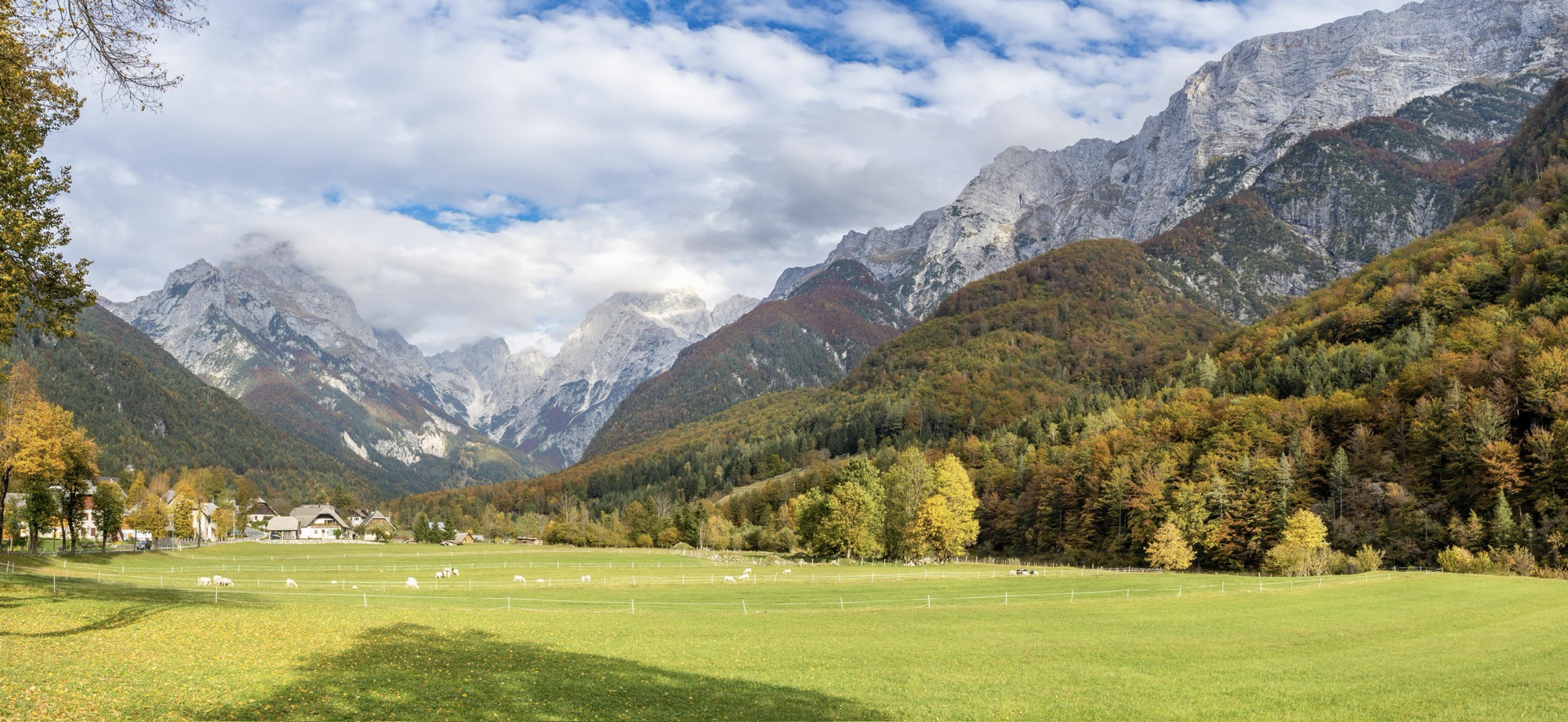
Slovenia is a compact yet breathtaking destination, tailor-made for travellers who crave variety and natural splendour within a single trip. This 10-day self-drive itinerary strings together the country's defining sights—glittering alpine lakes, jagged peaks, vast underground cave systems, and lively Slovenian towns—at a pace that encourages outdoor adventure and atmospheric downtime. From Ljubljana’s dynamic old town with its blend of Baroque facades, street art, and riverside life, to the tranquil mirror waters of Lake Bled and the dramatic valleys of the Julian Alps, every leg of the journey unveils a new vista, inviting both awe and relaxation. Pure, uncrowded nature is yours to explore, thanks to Slovenia's size and an excellent road network that rewards the independent, outdoorsy traveller.
This route is ideal for couples or groups of friends keen on hiking, paddling, cycling, or simply marvelling at scenery, and who value a little culture and great food between adventures. While it isn’t for those wanting big nightlife or city bustle (Ljubljana aside), nor for those who prefer not to drive, it’s perfect if you love fresh air, unhurried pace, and a sense of discovery. Well-marked trails, plentiful lakes, and laid-back villages mean you won’t need peak fitness—just a willingness to explore and savour Slovenian local life.
Best time to visit
The sweet spot for this journey is late May through September, when Slovenia’s climate is reliably warm and the landscapes are at their lushest. In June and September, hiking trails and lakes are less crowded but weather remains excellent—expect daytime highs in the low to mid-20s (°C). July and August draw more tourists, particularly at Lake Bled and on the Adriatic, but they also bring lake swimming, vibrant street life, and outdoor festivals countrywide. April and October can offer quiet beauty, though some alpine passes and attractions may be closed or limited, and weather can be unpredictable. Key cultural events like Ljubljana Festival (June–September) and Piran Music Evenings (July/August) add to the buzz in peak months.
Optimal window: Early to mid-September offers warm hiking weather, open attractions, grape harvests in wine regions, and thinner crowds—an excellent blend for nature lovers and foodies alike.
Getting there and around
Most start in Ljubljana, Slovenia’s capital, whose airport (Ljubljana Jože Pučnik Airport) is served by flights from major European hubs. Renting a car is the only way to comfortably reach quiet alpine areas, lakes, and villages. All major rental agencies operate from the airport and city centre; pick up your car as you leave Ljubljana to avoid parking hassles.
The route forms a loop: Ljubljana (where you’ll want a car only from Day 3) to Lake Bled (45 min/55 km), then to Lake Bohinj (30 min/27 km). Continue to Kranjska Gora or Triglav National Park (1 hr/50 km), then south via the Vršič Pass to the Soča Valley (2–3 hrs, mountain roads). From the Alps, drive to the karst region’s caves and Predjama Castle (1.5–2 hrs/100–140 km), before finally reaching the seaside at Piran (1 hr/85 km) and, optionally, the wine country of Goriška Brda. Return to Ljubljana in 1.5–2 hrs (120 km). Roads are generally excellent; a vignette (toll sticker) is required for highways. Public buses and limited trains connect the big towns but are infrequent, especially for alpine or coastal detours, making self-drive essential for this itinerary.
Where to stay
- Ljubljana Old Town: Best for those wanting car-free access to riverside restaurants, markets, and buzzing nightlife; everything is walkable.
- Ribno (near Bled): A peaceful village 3 km from Bled’s main drag; ideal for quieter evenings and quick access to the countryside.
- Kranjska Gora: The best alpine base if you want to hike, cycle, or relax with mountain views; it’s lively in summer, with good facilities and access to Triglav National Park.
- Piran Old Town: A centuries-old harbour town with narrow lanes, Venetian architecture, and seaside promenades—perfect for soaking up sunset and culture on foot.
Suggested day-by-day
- Days 1–2: Dive into Ljubljana’s cultural heart—explore the riverside from Prešeren Square to Dragon Bridge, climb up to Ljubljana Castle for city panoramas and the funicular ride, browse Central Market for local snacks, and enjoy Tivoli Park or riverside cafes. Consider an evening food tour for an intro to Slovenian cuisine. You can easily get around on foot or with city rental bikes; delay picking up your car until Day 3.
- Days 3–4: Drive north to Lake Bled. Row (or take a traditional pletna boat) to Bled Island and its iconic church, hike the spectacular Vintgar Gorge (book tickets ahead in high season), and sample a kremšnita (cream cake) at a lakeshore café. Spend a day at Bohinj: swim, paddleboard, or rent a kayak on the lake, and tackle one of the many mountain trails, such as the Vogel cable car for views, or the Savica Waterfall walk. Base yourself at Bled or, for peace, Bohinj or nearby Ribno. Driving is the easiest way to hop between sights.
- Days 5–6: Head into the Julian Alps: base yourself at Kranjska Gora or Trenta for easy access to Triglav National Park. Enjoy an early swim at Lake Jasna, then drive the epic Vršič Pass (open late May–October; check for closures) with its 50 switchbacks and panoramic stops. Bike or raft the emerald waters of the Soča River, explore alpine meadows and waterfalls like Boka, and detour into small villages such as Mojstrana for local eateries. Local buses serve major villages but a car is required for deeper valley trails and spontaneous stops.
- Day 7: Journey south to the Karst region. Tour the cliffside Predjama Castle, then pick either Postojna Cave (famous for its underground train) or the UNESCO-listed Škocjan Caves for vast caverns and walkways above subterranean rivers. Both have timed tours; booking ahead is recommended in high season. Easy highway connections link this area with Ljubljana and the coast.
- Days 8–10: Continue to the Adriatic coast. Settle into Piran—wander Tartini Square, climb the town walls for sea views, and lose yourself in the labyrinthine Venetian lanes. Swim off pebbly beaches, sample seafood at the seafront, and relax at a café terrace. Detour to the salt pans of Sečovlje for birdwatching, or visit Goriška Brda for vineyard views and local wines en route back to Ljubljana. Walking and local buses suffice within coastal towns; having your car is useful for wine region detours or exploring Portorož and Izola.
Food and drink
Slovenia’s cuisine draws on Mediterranean, Alpine, and Balkan flavours—don’t miss Bled’s kremšnita, the artisanal cheeses and wildflower honeys at Bohinj and Bovec markets, and štruklji (rolled dumplings) in mountain huts. Ljubljana’s Central Market and Odprta Kuhna (Open Kitchen, spring–autumn) are feasting hubs. On the coast, sample fresh Adriatic seafood, salt pan fleur de sel, and fritolin (seafood stalls) in Piran. The Vipava Valley and Goriška Brda make superb wine-tasting stops—look for Rebula and Teran varietals. Local gostilna restaurants often serve seasonal wild game, forest mushrooms, and homemade gibanica cake, especially in autumn.
Budget
While Slovenia offers good value, this trip spans both budget and moderate options. Eating in mountain huts, visiting public beaches, and hiking (trail access is usually free or low-cost) are affordable highlights. Accommodation around Bled and the coast can be a splurge, especially in July–August—book early for deals. Car hire and petrol are mid-range expenses but essential for this loop. Dining at local gostilna is reasonable; special splurges are wine tastings in Brda or a multi-course meal in Ljubljana’s top restaurants. Activities like Vintgar Gorge, cave tours, or rafting need pre-booking at busy times; group tours and tickets for main caves or castles are your bigger-ticket musts.
Practical tips
Purchase your motorway vignette (electronic or sticker) before entering any highways (petrol stations near borders/airports sell them). In summer, book Bled and Piran stays far ahead, and consider mountain huts for alpine nights. Credit cards are widely accepted, but have euros for rural purchases and parking meters (esp. in Bohinj and at trailheads). Download the Slovenia public transport app for bus connections within towns, and Google Maps works well for driving. Tipping is modest (round up bills or leave small change), and Slovenian tap water is safe. Always check Triglav Pass weather before venturing into the Alps; closures can happen quickly. English and German are widely spoken, especially near tourist hotspots.