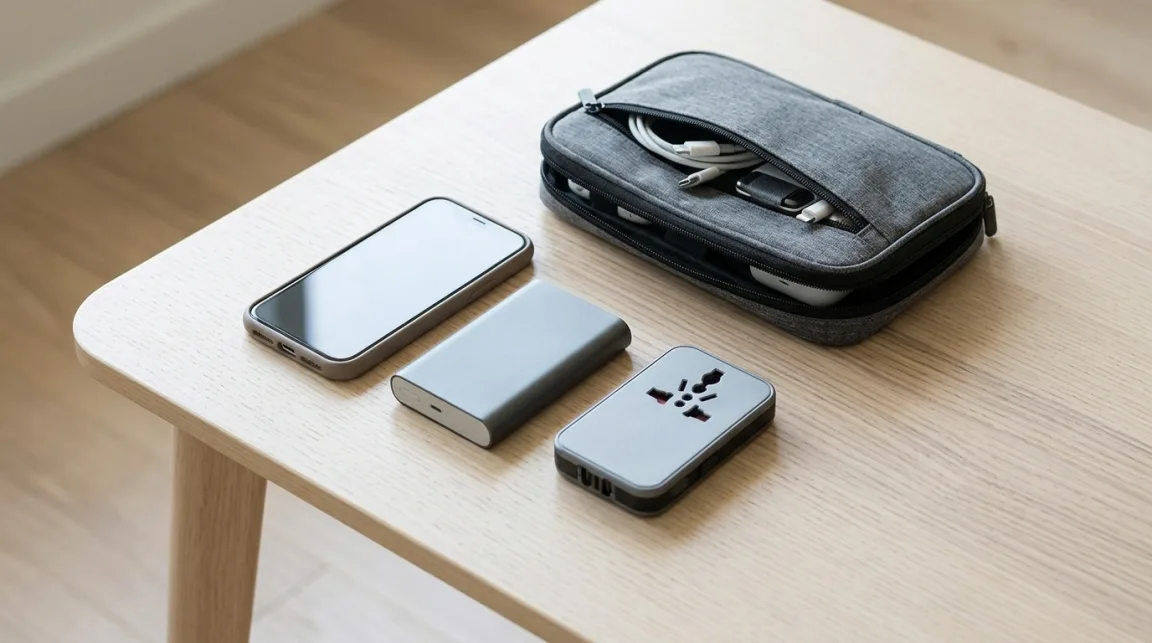
In an era of AI-powered itineraries and digital everything, the right travel tech can transform your trip—but only if you choose smartly. Here’s what you actually need to pack in 2026, and what you can leave at home for smoother, lighter, more secure travel.
What tech do you actually need for modern travel?
You truly need just a handful of well-chosen devices and apps: a phone with eSIM, universal adapter, secure wallet, and offline tools. Forget the gimmicks. The essentials streamline check-in, navigation, and bookings while keeping your data and devices secure everywhere you go.
Most travellers overpack or fall for travel gadget fads, weighing themselves down with extras of little real value. In 2026, lean into multi-use gear: a weatherproof phone with strong battery, a fast, compact power bank, and a reliable universal adapter do more than a duffel full of single-use kits. Secure your digital life with a password manager and secure cloud storage, so ticket QR codes, scans, and vital docs are backed up if anything goes wrong. Pack light — but pack smart.
Some tools—like digital boarding passes and virtual credit cards—are becoming the new baseline. Streamline all essential info in a single, secure place with backup: Yanvara can organise your day-by-day plans and booking codes automatically, just as explained in our AI Vacation Planner travel guide.
eSIMs, VPN, and data abroad
The easiest way to stay connected in 2026 is an eSIM, which eliminates the need for physical SIM swaps and works globally with compatible phones. Choose a provider that offers coverage in your specific countries—most major destinations now support major eSIM apps. For areas with patchier coverage or severe data restrictions, use an eSIM as back-up to hotel Wi-Fi.
VPNs remain essential for accessing secure sites and banking, especially in regions with internet censorship or dodgy public Wi-Fi. A lightweight VPN app on both your phone and laptop closes the biggest security holes. Download offline maps and translation tools before you travel—don’t rely on being able to activate them on the fly in patchy places like rural Kenya or on a long rail journey in Portugal (see our Portugal travel guide for real connectivity challenges).
A working eSIM and a solid VPN are now as vital as a passport—without them, you risk being locked out of bookings, bank cards or health info mid-trip.
Before you leave, check your phone’s regional compatibility and back up authentication codes. This single piece of prep can save a world of panic abroad.
Charging, smart tech, and adapters
Always bring a universal travel adapter with surge protection and at least one rapid-charging USB-C port—nearly all modern devices (including laptops and cameras) use USB-C as standard. Don’t trust hotels to provide one: outlet standards and voltages still vary widely, especially outside Europe.
Pack a single, high-capacity power bank (20,000 mAh or equivalent airline-approved max) and keep it easily accessible (not in checked baggage). For long flights, multi-city train journeys, or days exploring outdoor sites like Greenland’s fjords (see our Nuuk, Greenland travel guide), that extra charge is peace of mind. A multi-charging cable can replace three separate cords and cut down on bulk. Consider packing one small, rugged Bluetooth tracker for luggage or day-bags, especially on overland journeys.
For a week hopping between cities in Portugal, a USB-C power bank, eSIM, and universal adapter meant all devices stayed online—even after a four-hour train delay. Local Wi-Fi dropped, but maps and bookings were safe offline.
Skip voltage converters unless you have a very old device—modern devices handle most global voltages. For special gear (e.g., photo drones or medical equipment), always check both airline and country rules before flying.
Apps, passwords and digital safety
Robust digital safety is just as critical as locking your suitcase. Use a password manager with two-factor authentication, and keep digital and physical copies of passports, insurance, bookings and contact info. Secure messaging (WhatsApp, Signal) simplifies group logistics and emergencies, even if SIM coverage drops.
When setting up apps, prioritise those with strong offline modes: Google Maps, Citymapper, or local equivalents for transit. Download your Yanvara itinerary locally, and use boarding pass and bank apps with app-based PIN or biometric lock.
Keep credit/debit cards and virtual cards in digital wallets like Apple Pay or Google Wallet for backup. Never rely solely on contactless—card terminals do fail. And always have at least one emergency contact and insurance hotline saved offline.
What to leave—and what to upgrade
Leave home: travel routers, camera gear you won’t genuinely use, and redundant cables/gadgets for every device. In 2026, most tasks are best handled by your phone and select apps. Upgrade: a water-resistant case, travel-optimised headphones (with flight adapters), and portable privacy screens for your laptop if working on the road.
Skip bulky tech pouches unless you’re carrying five or more devices. A single zipped organiser, packed flat, is faster and lighter. For those travelling for work, consider a mini surge protector/extension with multiple outlets and USB ports. If your trip spans several regions, preview voltage and outlet compatibility before departure. See frequent upgrades and packing learnings from other Yanvara users in our community trips on Explore.
| Tech Essential | Must-Pack? | Upgrade? | Skip? |
|---|---|---|---|
| Universal Adapter | Yes | Consider surge, USB-C | No |
| Dedicated Travel Router | No | No | Yes |
| Old-School SIM Card | No | No | Yes |
| Camera Gear | Only if needed | Flagship phone cam | Otherwise |
| Power Bank | Yes | High-capacity | No |
Future-proofing your travel kit
In 2026, future-proofing your travel tech is about adaptability: choose gear that works in multiple scenarios, supports rapid updates, and reduces physical clutter. Stay ahead by checking airline cabin rules for batteries and adapters each year, and download the latest versions of your essential apps before flying.
Consider subscribing to key travel platforms or keeping an eye on current travel deals and offers for discounts on roaming packages, insurance, and high-end adapters. The landscape changes fast—what’s best today may have a better, lighter answer by your next departure.