Overview
Nuuk, Greenland’s capital, is an unexpectedly lively Arctic city marrying traditional Inuit culture, striking modernity, and awe-inspiring landscapes—making it a distinctive and approachable entry point for first-time visitors to Greenland. If you’re curious about the Arctic but wary of remote logistics or language barriers, Nuuk offers easy orientation, a compact size, and active cultural life, with accessible adventures on its doorstep. This destination best suits curious travellers keen on a mix of city comforts, history, art, and light outdoors—whether solo, couples, or culture-focused families. Those expecting dramatic ice-cap excursions or “end of the world” wilderness isolation might find Nuuk too cosmopolitan; more remote settlements require further travel.
Nuuk’s highlights are its vibrant waterfront, thriving culinary and music scenes, and opportunities to meet locals and learn about contemporary Greenlandic identity. There’s plenty within a few days: the Greenland National Museum, a taste of minke whale or musk ox at a harbourside restaurant, public art walks, easy fjord sailing trips, and evening hygge at a local café. An itinerary here blends city wandering with wild nature tours—making it an ideal soft landing in the Arctic. If you’d rather avoid small aircraft or negotiating with local boats, Nuuk’s comforts and amenities reduce potential culture shock.
Best time to visit
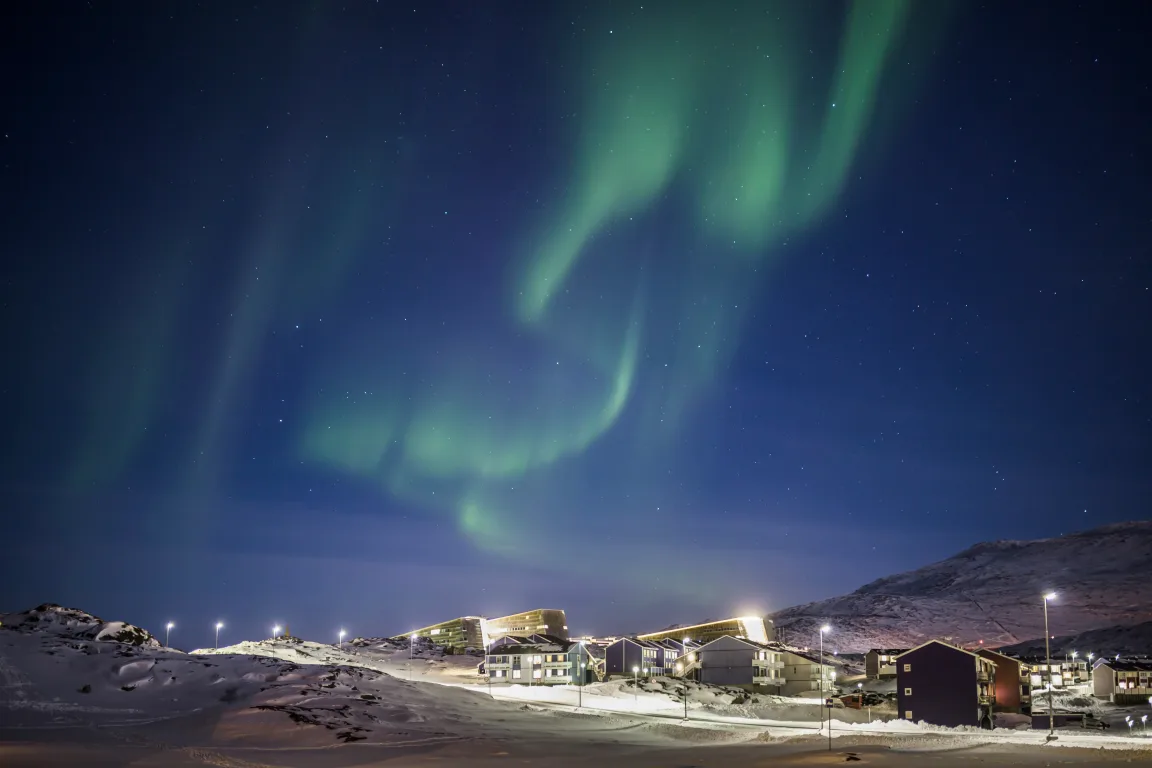
Nuuk’s peak visitor period runs from late May through early September, when long daylight hours, mild temperatures (rarely above 12°C), and open fjords make sightseeing and boat excursions possible. Summer (June–August) brings festivals, open markets, and ideal weather for hiking and kayaking, but is also when tour services and restaurants are most active. Shoulder seasons (April/May, September) offer fewer crowds and a chance of seeing the northern lights in autumn, as well as brief windows for spring snowshoeing. Winters (October–March) are cold (often -5°C to -15°C), atmospheric, and best for those seeking aurora, but many tour operators reduce service and daylight is limited (down to 4–5 hours midwinter). If you have flexibility, visit in mid-July to early August: this is the sweet spot when all museums, eateries, and fjord tours operate, the cultural calendar is lively, and hiking trails are snow-free.
Getting there and around
Nuuk is reached primarily by air. International flights arrive into Nuuk Airport (GOH) from Copenhagen year-round, with additional summer links from Reykjavik. After clearing Greenland’s customs, it’s a 10-15 minute taxi or shuttle ride into the city centre. Ferries from other Greenlandic towns exist but are slower and mostly for locals or multi-week explorers. Once in Nuuk, walking is the best way to explore the compact central districts—most major sights are within 2km. For more distant areas (e.g. Qinngorput), use the reliable Nuup Bussii (city buses) or grab a taxi. Day tours to the fjord, settlements, or cultural sites usually include hotel pick-ups. Typical day trip boats depart from the main port, a short stroll from the waterfront hotels, and scenic helicopter flights can be pre-booked for aerial fjord views.
Where to stay
- Nuuk Centre: Heart of the action with shopping, restaurants, and harbour views; best for first-timers wanting convenience and short walks to attractions.
- Old Nuuk (Old Colonial Harbour): Full of colourful historic houses and city museums; suits those seeking atmosphere, sea views, and quick fjord access.
- Nuussuaq: A quieter, residential area north of central Nuuk, with good family guesthouses and sweeping views—great for those wanting space and a local feel.
- Qinngorput: A modern suburb closer to the mountains, with airy apartments and easy access to hiking trails; ideal for longer stays or repeat visitors.
Suggested day-by-day
- Day 1: Arrive, settle in around Nuuk Centre. Take a self-guided walk along the waterfront past the Mother of the Sea sculpture, browse the Nordic-style Nuuk Art Museum, then try local dishes (musk ox, cod) at Sarfalik or the more casual Katuaq Café.
- Day 2: Dive into Greenlandic history with a morning at the Greenland National Museum—don’t miss the Qilakitsoq mummies. Walk to colonial Old Harbour, spotting local street art, the Hans Egede House (oldest in the city), and historic boatsheds. Afternoon: join a short boat tour to Nuuk Fjord for iceberg spotting or a visit to Qoornoq’s abandoned fishing village.
- Day 3: Take a morning hike up Lille Malene (starting just outside town) for breathtaking city and coast views, or opt for a helicopter flight above Sermitsiaq mountain if you fancy a splurge. Afternoon: check out the Katuaq Cultural Centre for exhibitions and, if timed right, music or film events. Explore Nuussuaq on foot, stopping for Arctic char sushi and local brews at local hotspots.
- Day 4: Day trip options: join a guided sea kayaking or whale-watching adventure into Nuuk Fjord, or visit Kapisillit, a small settlement upriver, to experience a slower pace of Greenlandic life. Wrap up with sunset drinks at a harbourside bar before departing.
Budget
Travel in Nuuk is best described as exclusive but not extravagant: accommodation and food are pricier than mainland Scandinavia, mainly due to import costs, but city sightseeing and hiking are largely free. Daily outlay is moderate for budget-conscious travellers (guesthouses, lunches at cafés), with costs rising for fjord excursions or fine dining. Boat tours, helicopter flights, and signature restaurants are splurges and fill up quickly—pre-book these year-round. To save, seek out lunch specials, use in-town supermarkets, and walk or use city buses for most trips. Museum entry is good value, and most community events are low-cost or free.
Practical tips
Nuuk is very safe and welcoming, with English widely spoken in tourism. Purchase a local SIM at Nuuk Centre for good coverage. Book fjord tours and helicopter flights at least a week in advance, particularly in summer. Dress in breathable layers—weather can change fast even in July, and winds are brisk by the water. Respect local etiquette: ask before photographing people, and always remove shoes if invited into a private home or certain indoor spaces. Shops, supermarkets, and restaurants often close early (by 6pm on weekdays, with shorter Sunday hours), so plan ahead. Greenlandic currency is the Danish krone; cards are widely accepted, but some budget eateries prefer cash. Carry a refillable water bottle—the tap water is pure.