Overview
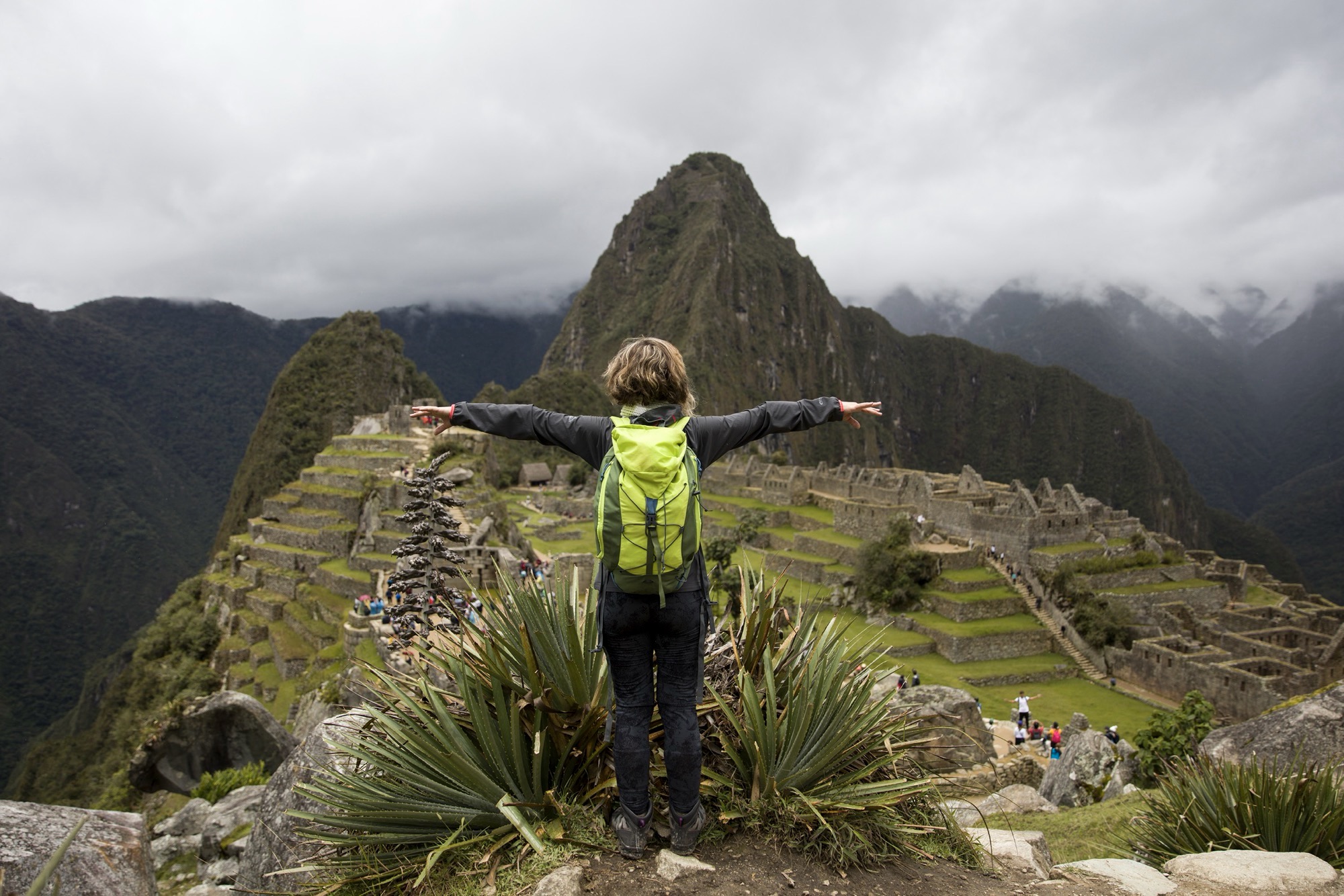
Peru’s Andes are a true spectacle, weaving together dramatic altiplano landscapes, ancient Inca engineering feats, and vibrant living culture in a way few places on earth can match. Over twelve days, this route showcases the region’s standouts: the atmospheric alleys and history-rich squares of Cusco, photogenic Inca terraces and market towns in the Sacred Valley, world-renowned Machu Picchu’s misty ruins, and the sparkling expanse of Lake Titicaca with its unique floating islands. But what makes this journey distinctive is its balance of immersive activities and manageable travel legs; it forgoes the hardship of extreme hiking or constant one-night stops, allowing you to soak in each iconic site and Andean town before moving on.
This itinerary is perfect for adventurous couples or solo travellers seeking rich cultural engagement and authentic contact with Peru’s past and present, without the need for technical trekking or camping. It's ideal if you want both archaeological highlights and genuine interaction with local communities—yet still prefer comfortable lodging and time to acclimatise to altitude. Those craving wilderness-only isolation, or with mobility constraints affecting longer walks or altitude, may prefer a more tailored or coastal trip.
Best time to visit
Between May and September, Peru’s highland dry season offers clear blue skies, crisp air, and ideal conditions for both sightseeing and easy day hiking—though this is also the busiest period, especially from June through August when festivals and summer holidays draw crowds to Machu Picchu and Cusco. The rainy season (December to March) brings lusher landscapes and fewer visitors, but travel can be affected by downpours, with mudslides occasionally disrupting trains or roads; significant treks like the Inca Trail close for maintenance in February. Key Andean festivals include Inti Raymi in June (a vibrant Cusco event).
Best month window: Late May to early July offers the best mix of dry, sunny conditions and smaller crowds before peak season begins.
Getting there and around
Most international travellers fly into Lima (Jorge Chávez International Airport), connecting with a short domestic flight to Cusco’s Alejandro Velasco Astete Airport. From Cusco, overland travel by bus, hired driver, or shared colectivos is the most practical way to see the Sacred Valley—distances between towns like Pisac, Ollantaytambo, and Chinchero range from 45 minutes to two hours. PeruRail and Inca Rail operate scenic trains from Ollantaytambo (and occasionally Poroy, near Cusco) to Aguas Calientes, the gateway village for Machu Picchu, with journeys of 1.5 to 3.5 hours.
To reach Lake Titicaca, consider the classic tourist coach route from Cusco to Puno (about seven hours, with stops at Andahuaylillas and Raqchi ruins), or splurge on the luxurious Belmond Andean Explorer train. Alternatively, buses run direct (roughly 7–10 hours) from Cusco to Puno; onward from Puno, Juliaca airport serves flights back to Lima. On Lake Titicaca, local boats ferry between Puno and the islands—most tours are half or full day, but overnight community stays are possible.
Where to stay
- Historic Centre, Cusco: Immersive for first-time visitors, close to Plaza de Armas, museums, and key sights; perfect for those who want atmospheric evenings and easy town walks.
- San Blas, Cusco: Artistic and bohemian, filled with quirky cafés, artisan shops, and beautiful hillside views; suits travellers keen on independent stays and local character, but note the steep cobbled streets.
- Ollantaytambo town (Sacred Valley): Convenient for train departures to Machu Picchu and exploring the valley’s heart; ideal for those wanting to minimise backtracking and experience a lively yet small town.
- Puno lakefront: Well-located for boat tours to Titicaca’s islands and offering a range of accommodation from backpacker to boutique; suits early-rising travellers and those keen to access Amantani or Taquile with ease.
Suggested day-by-day
- Days 1–3: Acclimatise gently in Cusco: explore the vibrant stalls and local food at San Pedro Market, take a guided walk up to Sacsayhuamán’s hilltop fortress, and wander San Blas' creative maze. Base yourself in or near the historic centre for handy access to museums like the Museo Inka and easy evening strolls. Make a day trip with a colectivo to Pisac for its ancient ruins and renowned Sunday market, or to Moray’s archaeological terraces and the Maras salt pans.
- Days 4–6: Dive further into the Sacred Valley: relocate via taxi or colectivo to Ollantaytambo, stopping at Chinchero’s weaving cooperatives, Maras’ dazzling salt terraces, and the agricultural experiment circles of Moray. Visit local textiles collectives, and spend an afternoon climbing Ollantaytambo’s Inca fortress above the town. You can stay in Ollantaytambo for quieter nights, or in Urubamba for slightly larger-town amenities; both are great bases for day trips deeper into the valley.
- Days 7–8: Journey to Machu Picchu: board the train from Ollantaytambo (or Urubamba) to Aguas Calientes, with lush river views en route. Spend a night in Aguas Calientes to access the early shuttle up to Machu Picchu—arriving at dawn or later in the afternoon avoids the heaviest crowds. Those with energy can climb Huayna Picchu or visit the less-trafficked Sun Gate; remember to pre-book both entries well in advance.
- Days 9–10: Return to Cusco by train and bus if you want more time in town, or head by comfortable coach through the scenic altiplano to Puno on Lake Titicaca, passing sites like Pukara and La Raya pass. In Puno, spend time exploring the lakeside plazas and sampling local trout dishes.
- Days 11–12: Take a boat trip from Puno’s harbour to the floating Uros reed islands and remote Taquile Island; for a more immersive experience, join a community homestay on Amantani Island and gain deeper insight into Quechua traditions. Depart via Juliaca airport (about an hour from Puno) for return travel.
Food and drink
Peruvian Andean cuisine features earthy, native ingredients. Don’t miss hearty alpaca and quinoa stews (try Morena or Pachapapa in Cusco), trucha frita (fried lake trout) in Puno’s waterfront restaurants, or a warming cup of mate de coca tea in a local café. Cusco’s San Pedro Market is a must for sampling everything from rocoto relleno (stuffed peppers) to fresh fruit juices—join early locals for breakfast at a market stall. In the Sacred Valley, look for chicha (local maize beer) in traditional chicherías and sample local breads and cheeses at the market in Ollantaytambo. Adventurous foodies can seek out cuy (guinea pig) at countryside picanterías, but check reviews for more ethical and high-standard options.
Budget
This trip suits an adventurous mid-range budget: local markets, roadside meals, and colectivo transport are cheap, while quality hotels in Cusco, the Sacred Valley, and Puno are affordable yet comfortable. The splurge on this route is definitely train travel to Machu Picchu and the entry ticket itself (plus optional Huayna Picchu permits)—both are costly and worth pre-booking. Homestays on Lake Titicaca are excellent value, including meals and cultural activities. Guided day tours, though pricier in core sites, offer reliable logistics and local insight for those who prefer not to self-organise. Factor in some cash for artisan crafts and textiles, and a few special meals out in Cusco or Ollantaytambo.
Practical tips
Purchase Machu Picchu entry and train tickets well ahead—spaces, especially for key morning slots and Huayna Picchu, fill up months in advance. Acclimatise in Cusco for at least two days before climbing higher or visiting major sites. The Boleto Turístico del Cusco (Tourist Ticket) covers entry to most sites in the Sacred Valley and Cusco—get one from official offices before you set out. In cities, local colectivos and combis are both cheap and frequently run; agree on fares before starting. ATMs are widely available in towns but less so in villages—carry small denominations of Peruvian soles. Credit cards are accepted in most hotels and upmarket restaurants, but not at local markets. Internet and mobile coverage is reliable in towns, weak on islands or remote villages. Tipping is not mandatory but appreciated for guides and drivers; a small tip for good service is customary. For safety, use registered taxis when possible, and keep valuables secure, especially in crowded markets or transit.