Overview
The Peloponnese Peninsula unfurls as Greece’s best-kept secret: a tapestry of storied landscapes, from crumbling theatres and Byzantine fortresses to wild mountain villages, secluded pebble beaches and silvery olive groves. Abundant in myth and history yet far from the packaged-island enticements, this 12-day road trip plunges you into the heart of Greek culture, where ruins are skips from the shore and timeworn alleyways give way to tumbling bougainvillea. Each day brings new contrasts – archaeological wonders, cliffside drives and intimate tavernas, all against a backdrop of dramatic hills and azure seas.
This itinerary is crafted specifically for curious couples or small groups seeking depth, variety, and space: it suits travellers who love meandering road journeys and want to feel the pulse of Greek life beyond tourist throngs. The pace is relaxed but purposeful, perfect for those who crave meaningful, immersive experiences and are comfortable with a bit of self-navigation. This is not suited for people wanting a stationary beach holiday, family-friendly resort comforts, or high-energy nightlife. Instead, it’s a route for people fascinated by history, geography, food and the luxury of unscripted adventure.
Best time to visit
Spring (April–June) and autumn (mid-September to late October) are magical: orange and pomegranate trees burst with blossom, hillsides flush with wildflowers, and the seas are warm enough for swimming—but without the feverish pace of high season. Days are pleasantly warm (17°C–28°C), perfect for hiking ruins and exploring villages, and you’ll share archaeological sites with only a trickle of other visitors. Summer (July-August) delivers vibrant coastal life and superb yachting, but inland areas can be fiercely hot (over 35°C) and heritage sites fill up quickly with both Greeks and international crowds. Winter (November–March) is serene, and while mountain routes can see rain and some local closures, gentle Mediterranean weather keeps coastal Nafplio, Gytheio, and Patras lively.
The single best window is late May to mid-June: water is warm, wildflowers linger in the hills, and crowds and prices remain modest, making open roads, tavernas and the columns of Epidaurus all yours to enjoy at a gentle pace.
Getting there and around
Most international travellers fly into Athens International Airport (ATH); from there, it’s a straightforward 1-hour drive to Loutraki or Corinth via the modern Corinth Canal. Direct suburban railway (Proastiakos) connects Athens to Corinth if you wish to collect your hire car outside the city. Public transport beyond major towns is limited, so hiring a car for the full circuit is essential for the flexibility to reach remote villages, coves, and archaeological parks. Roads are largely sealed, but become narrow, winding and occasionally precipitous—allow 1.5–3 hours for the longest daily drives, particularly on the Mani Peninsula.
No special permits or 4WDs are needed, but a GPS and a willingness to adapt to Greek driving rhythm help. Distances aren’t vast: Corinth to Nafplio (1 hour), Nafplio to Mystras (2.5 hours), Mystras to Areopoli (1 hour), Areopoli to Limeni/Vathia (1.5 hours), and then west across the peninsula to Olympia is about 3–4 hours. The trip can begin and end in Athens or Patras; most return to Athens by looping north from Olympia or from Patras, which has rail and bus connections.
Where to stay
- Nafplio Old Town: Romantic neoclassical facades, bustling squares and pedestrian lanes suit those who love cafe-hopping, artisan boutiques, and late-night gelato strolls.
- Areopoli (Mani): For authentic Mani hospitality, honey-stone guesthouses and local tavernas, best for those drawn to traditional architecture and slow village evenings.
- Loutraki/Ancient Corinth: Close to the sea and major sites, this area is ideal for travellers keen on morning swims, wellness spas, and easy access to archaeological attractions.
- Ancient Olympia village: A practical base for early site visits with a touch of countryside charm; perfect for those wishing to linger at the ruins or hike forested hills nearby.
Suggested day-by-day
- Days 1–2: Arrive in Loutraki, detouring for a swim at the beach and a relaxing soak in the mineral-fed thermal springs. Explore ancient Corinth’s Temple of Apollo, then clamber to Acrocorinth fortress at sunset for sweeping views across the Saronic Gulf. Allow time for the small but fascinating Archaeological Museum of Ancient Corinth. Overnight locally—restaurants by the Loutraki seafront offer Greek classics with the sound of waves.
- Days 3–4: Base yourself in Nafplio’s old town, strolling its pastel streets and climbing to the imposing Palamidi Fortress (rewarded by panoramic bay views). Set out for a day-trip east to the ancient theatre of Epidaurus, renowned for its acoustics—if there’s a performance, don’t miss it—or sample wines at Nemea’s celebrated vineyards like Domaine Skouras. Use your car to reach tiny seaside villages like Tolo for fresh seafood lunches.
- Days 5–6: Journey inland to Laconia, ascend the lush slopes to Mystras and walk the UNESCO-listed Byzantine ruins—don’t miss the 14th-century frescoes at Pantanassa Monastery. Continue south to Areopoli, wander its preserved stone alleys, and shop for thyme honey or local cured meats at the village market. Have dinner in the main square under mulberry trees. Consider a brisk hike through Viros Gorge if weather allows.
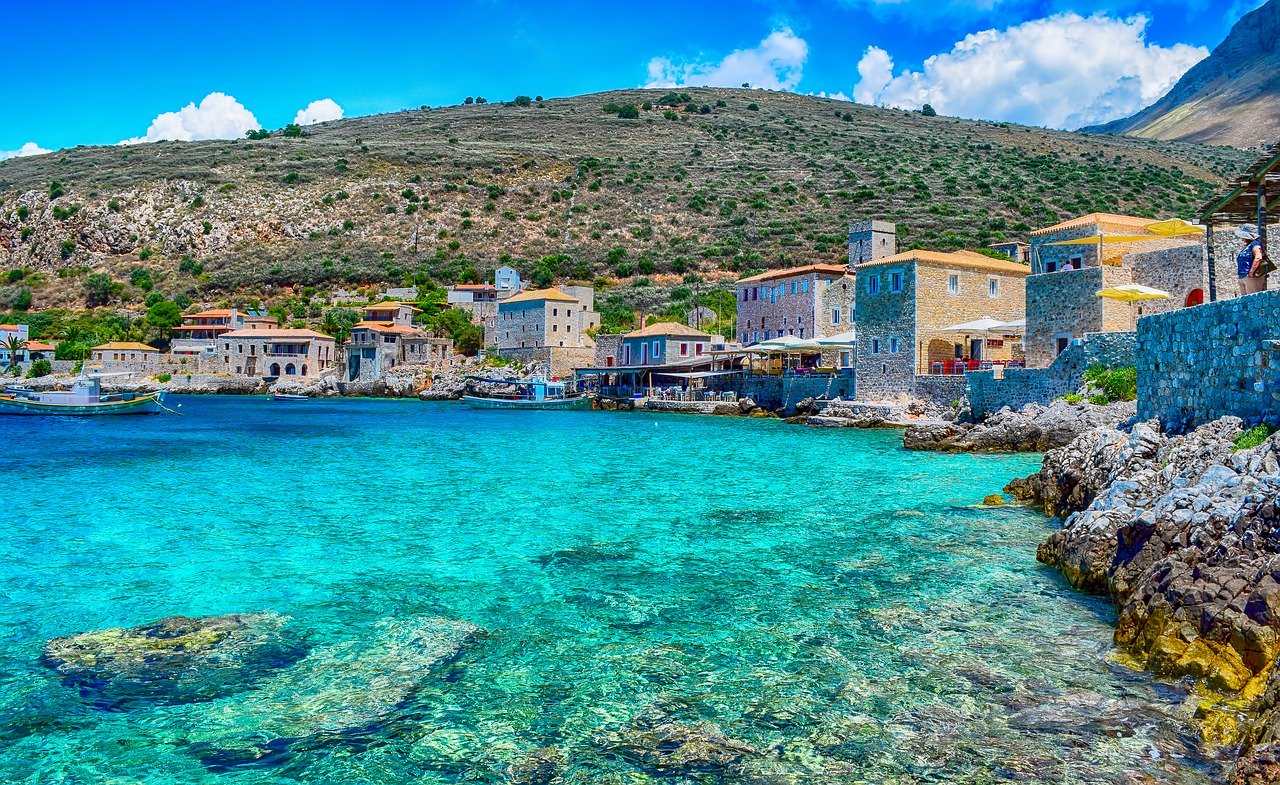
- Days 7–9: Traverse the Mani Peninsula’s wild spine to Limeni—swim in turquoise Limeni Bay and feast on octopus and local cheese at a waterfront taverna. Head to Vathia to photograph and explore its abandoned stone tower houses. Day trips can include the Diros Caves (take an underground boat ride) and the fishing hamlet of Gerolimenas. Allow ample time for winding coastal drives and spontaneous stops at pebbly coves, especially near Porto Kagio.
- Days 10–12: Drive west beneath Mount Taygetos and through olive groves towards Ancient Olympia, birthplace of the Olympic Games. Wander the vast archaeological park at dawn, then browse the excellent Archaeological Museum. End with two nights in lively Patras: savour waterfront dining on Agiou Nikolaou Street and stroll the Rion-Antirion Bridge. Return towards Athens via the Corinth Canal, perhaps detouring for a last swim or picnic at Kalogria Beach on the Gulf of Patras.
Food and drink
Culinary rewards are everywhere: try rich graviera and feta cheeses, amygdalota (almond cookies) from Nafplio bakeries, and Mani’s smoked pork (syglino). In Areopoli, taste local honey drizzled over yoghurt, then sample ouzo or tsipouro in a stone-paved courtyard. Tuck into octopus at Limeni’s O Takis taverna or sea bream on the Gerolimenas waterfront. Vineyards in Nemea specialise in Agiorgitiko reds—book a tasting at Gaía or Palivou estates. Don’t miss the rustic plateia dining in Vathia, and seek out Olympia’s olive-oil-rich village cooking. Seasonal fruit—figs, pomegranates, oranges—are abundant at roadside stalls in spring and autumn.
Budget
Moderate but flexible: petrol, car hire and distances are the main fixed costs, but it’s easy to save with guesthouses and family-run hotels in most villages rather than resort stays. Taverna meals are superb value; shell out for a couple of destination dinners in Nafplio or Patras. Entry to key archaeological sites like Epidaurus, Mystras and Olympia is the main cultural expense and worth pre-booking in peak season for timed slots. Wine tastings, guided cave tours, and local food experiences are affordable, so you can treat yourself without an eye-popping bill. Skip big city prices and you’ll find the Peloponnese is less expensive than many Greek islands.
Practical tips
Hire cars should be booked early for spring/autumn visits; automatic transmissions are rare, so brush up on manual driving if needed. Always keep a stash of coins for motorway tolls and parking in old towns. Cosmote or Vodafone local SIMs ensure strong mobile coverage, even in hills, while most B&Bs and cafes offer free Wi-Fi. Tipping is appreciated but not obligatory—rounding up in restaurants or leaving a euro per night in hotels suffices. Watch for local closures on Sundays and siestas (2–5pm), especially in small villages. Bring walking shoes with grip for ruins, and carry your own sunscreen and mosquito repellent, as small-town shops may have limited choice. Avoid last-minute arrivals in tiny hamlets; check guesthouse check-in times and call ahead if running late.