Overview
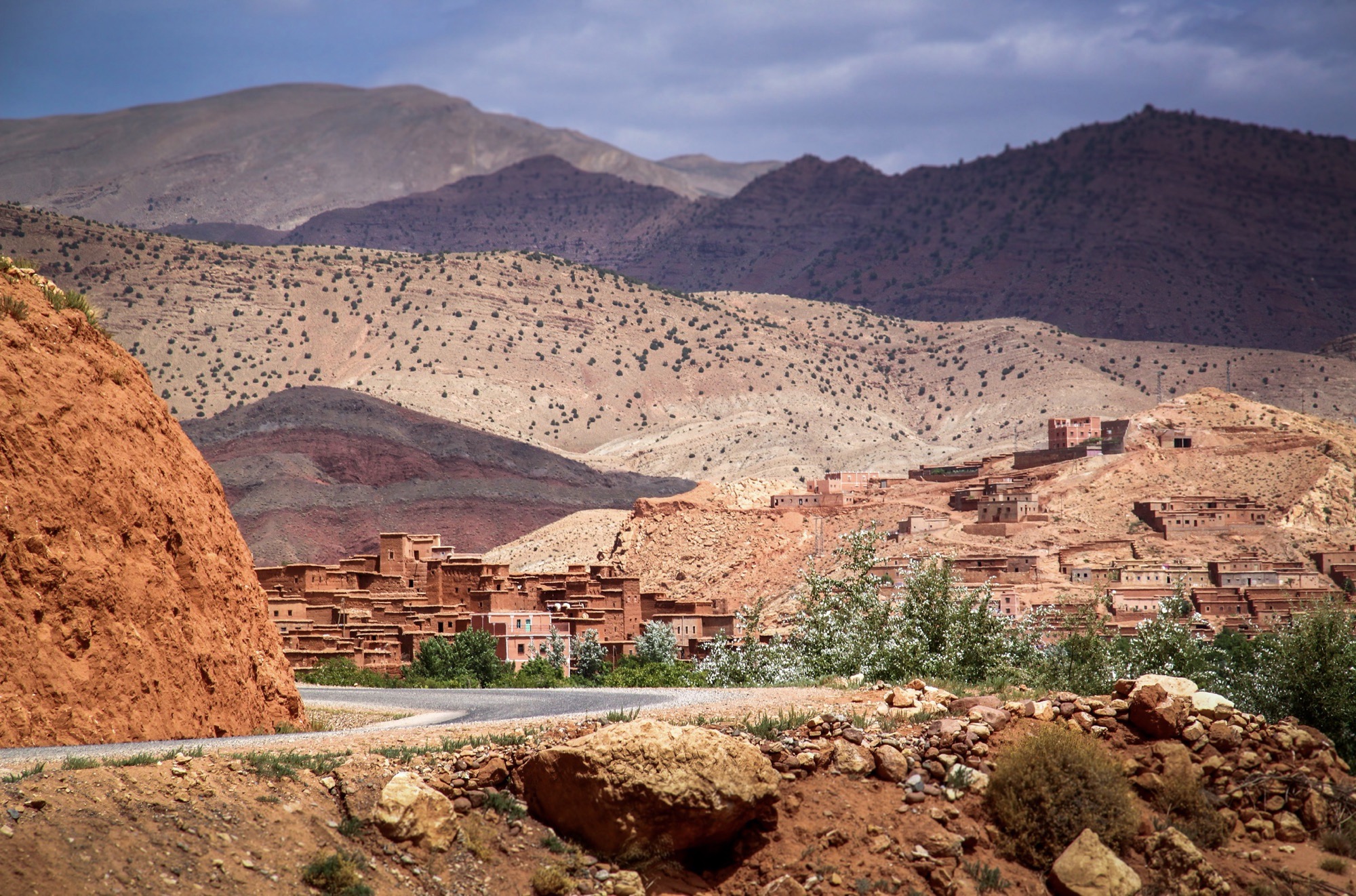
Morocco’s Marrakech & Atlas Mountains itinerary immerses you in two sharply contrasting worlds: the sensory blaze of a historic city and the tranquil grandeur of North Africa’s highest peaks. Over 10 days, you'll have time to absorb the rhythm of life in the ancient medina, marvel at the artistry of centuries-old palaces, and discover the labyrinth of vibrant souks overflowing with crafts. Marrakech delivers striking architecture, aromatic cuisine, and the constant interplay of tradition and modern comfort. From there, trade city bustle for the Atlas Mountains’ cool air, where Berber villages are perched along terraced valleys and dramatic trails unspool amid snow-dusted peaks and walnut groves. This route is equal parts cultural deep dive and slow-paced escape, rewarding those who value both conversation with artisans and quiet, panoramic hikes.
This trip is designed for solo travellers and culture-loving couples who prefer meaningful encounters to frantic box-ticking. You’ll have ample time to connect with locals over tea, linger in museums or cafés, and detour for unplanned discoveries. The slower pace means you won’t cover all of Morocco, but it’s ideal for anyone who values quality over quantity and seeks both mindful city immersion and nature at its rawest. However, those seeking non-stop action, nightlife, or resort-style beaches may want to look elsewhere.
Best time to visit
The best times to explore Marrakech and the Atlas Mountains are spring (March–May) and autumn (September–November). During these seasons, Marrakech enjoys warm, sunny days (generally 20–28°C) and cooler nights, making city walks comfortable and rooftop terraces inviting. High summer (June–August) can bring stifling heat in Marrakech, while winter nights in the Atlas can drop below freezing, with the highest passes snowbound—beautiful, but requiring extra layers and some trail closures. Spring brings wildflowers to the foothills, while autumn skies tend to be crystal-clear, ideal for photographers. Ramadan, whose dates shift annually, adds an extra layer—daytime cafes and some attractions may pause operations, while dusk is marked by lively feasts and communal energy.
The optimal travel window is mid-April to late May, when city gardens are in bloom, the weather is neither too hot nor cold, and mountain trails are hubbub-free but fully accessible.
Getting there and around
Marrakech Menara Airport (RAK) is the main international gateway, served by direct flights from Europe, the Middle East, and other Moroccan cities. From the airport, riad transfers or regulated taxis make arrivals to the medina straightforward. The city’s main rail station is convenient if you’re connecting from Casablanca or Fes. For intra-city movement, walking is easiest inside the walled medina, but taxis are ubiquitous for longer city journeys—be sure to agree the fare in advance or insist on the meter.
To access the Atlas, the best base is the village of Imlil (gateway to Mount Toubkal and trekking routes) or Ouirgane (less touristed, gentler trails), both roughly 1.5 to 2 hours by grand taxi (shared or private) from Marrakech. Buses are infrequent and require changes. Your riad or a trekking company can arrange door-to-door transfers. Once in the mountains, you’ll walk village to village on well-worn paths, often with a local guide. Luggage can be sent ahead by mule if doing multi-day treks. On the Marrakech–Essaouira or Agafay desert excursion, shared minivans and private tours are popular, both taking 2–3 hours each way.
Where to stay
- Medina (Marrakech): The heart of old Marrakech; perfect for those wanting atmospheric riad stays, easy access to the main souks, Djemaa el-Fna, Bahia Palace, and quintessential Moroccan experience—expect some lively nights.
- Gueliz: Known as the French Quarter, this area suits travellers preferring contemporary hotels, Art Deco architecture, trendy cafés, and wider boulevards, yet within a 15-minute walk of the medina gates.
- Imlil (Atlas Mountains): The top choice for hikers and those seeking genuine Berber hospitality; village guesthouses offer mountain views and serve as the start point for most valley and Toubkal treks.
- Ouirgane Valley: Calmer and less visited than Imlil, Ouirgane’s garden lodges and riverside properties are ideal for gentle walks, wellness escapes or travellers wanting to decompress amid olive groves.
Suggested day-by-day
- Days 1–3: Arrive in Marrakech and settle into a riad in the medina. Spend mornings wandering the labyrinthine souks (particularly Souk Semmarine), admiring ceramics and textiles. Visit Jardin Majorelle in Gueliz for botanical respite, and detour to Yves Saint Laurent Museum if design interests you. Indulge in a hammam—Les Bains de Marrakech or heritage options near Bab Agnaou. Take afternoon tea at the Secret Garden and cap the day with sunset views from rooftop terraces like Le Salama or Café de France. Include leisurely walks to the Bahia Palace and the iconic Koutoubia Mosque for golden-hour photo ops.
- Days 4–5: Join a market-to-table Moroccan cooking class (e.g. at Amal Women’s Training Centre or La Maison Arabe), learning to prepare tagines and pastilla. Dedicate an evening to rooftop dining with city views—nomad-style at Nomad or classics at Café Arabe. On your free day, take a day trip either west to Essaouira’s windy ramparts, blue-shuttered streets, and seafood lunches (bus or private transfer, 2.5 hours each way), or south to the Agafay Desert for camel rides and sundowners among lunar landscapes (roughly one hour’s drive).
- Days 6–8: Transfer via grand taxi to Imlil or Ouirgane, enjoying sweeping views over the Moulay Brahim Gorge. Settle into your mountain base and, over two days, follow guided or self-guided trails linking Berber villages like Aroumd, Tamatert, and Tizi Oussem. Stop for mint tea in local homes, and soak in the red valley views and walnut forests. Classic routes include the Imlil–Aroumd–Sidi Chamharouch loop or gentle walks to Tin Mal Mosque and the salt mines near Ouirgane. Most guesthouses offer hearty home-cooked Berber meals.
- Days 9–10: Return to Marrakech by arranged taxi. Enjoy your final evening in the Djemaa el-Fna—watch the square awaken at sunset with food stalls, Gnawa musicians, snake charmers, and acrobats. Sample harira and grilled brochettes at the night market, and finish at Café Glacier for panoramic people-watching. Depart from Marrakech the following day.
Food and drink
Marrakech is renowned for its street eats and refined palace cuisine. Djemaa el-Fna square is essential for sizzling merguez sausages and snail soup (babbouche) after dark. Seek out tanjia (slow-cooked lamb) at traditional spots in the Mellah, and try almond-filled pastries—chebakia and cornes de gazelle—at Pâtisserie Bennis. Key breakfast dishes include baghrir (spongy pancakes) and msmen flatbreads, ubiquitous at riad tables. Local markets like Mellah Spice Market overflow with saffron, preserved lemons, and fresh mint for tea.
In the mountains, guesthouses serve nourishing tagines (often with mountain herbs), lentil soups, and khobz bread baked over wood fires. Vegetarians are well-catered for, though it’s wise to mention preferences in advance. Mint tea—Berber whisky—is offered as a universal gesture of hospitality.
Budget
This itinerary offers excellent value for mid-range travellers, especially compared to Western Europe. Boutique riads and mountain guesthouses can be stylish yet affordable, but book early for good choice. Dining ranges from cheap and cheerful street food to refined, multi-course rooftop feasts. Cooking classes and guided hikes are the best splurges; arranging direct with trusted providers avoids markup. Transfers to the Atlas (shared taxi or private car) add to costs, while most city sights (palaces, gardens) are inexpensive or free. Day trips—especially to Essaouira—may be the largest single expense.
Practical tips
While Marrakech can seem chaotic, navigation improves quickly with an offline map (e.g., Maps.me). In the medina, side streets are often unnamed and it’s easy to lose your bearings—accept it as part of the experience, but beware unofficial guides whose help can be costly. For city transport, negotiate taxi prices before getting in. ATM access is good in Marrakech but limited in the mountains, so bring sufficient cash for rural stays. Tipping (10–15%) is expected in restaurants, as is small change for guides and porters. Dress conservatively—knees and shoulders covered—especially outside tourist zones and in Berber villages. Always ask before photographing locals. Finally, arrange major transfers and any mountain guides through reputable riads or trekking companies ahead of arrival: last-minute bookings, especially in peak seasons, risk disappointment.