Overview
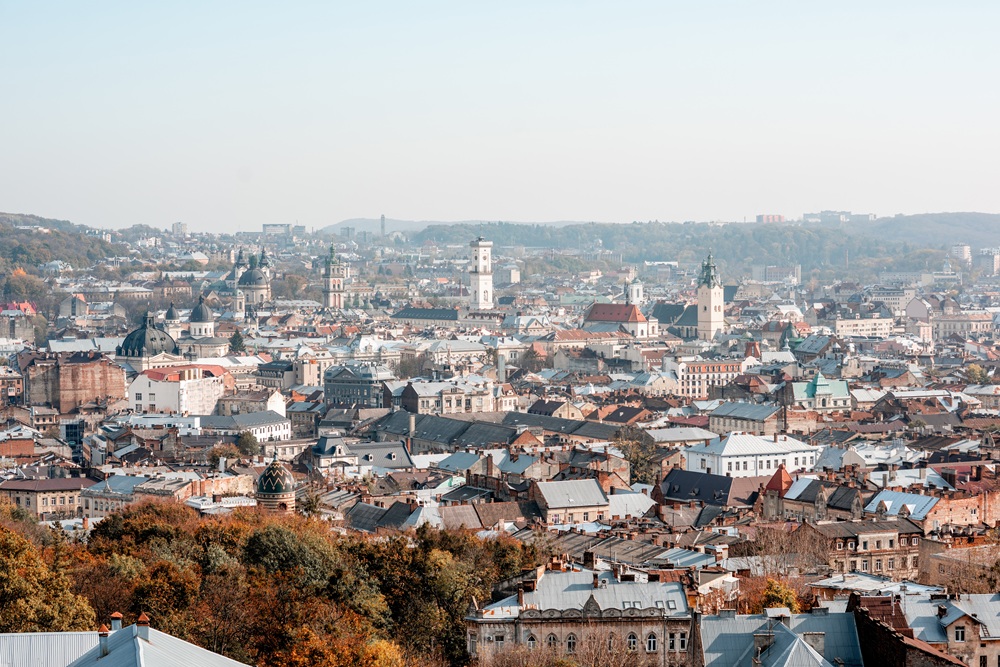
Lviv, tucked into the rolling hills of western Ukraine, is a city that feels both grand and intimate: cobblestoned squares wind past Habsburg-era facades, secret courtyards hide poet’s statues and steaming coffee cups, and every block is alive with stories from centuries of Polish, Ukrainian, Jewish and Austrian cultures. Its UNESCO-listed Old Town is a visual feast, from painted church domes to atmospheric back streets lined with vintage trams. Lviv's café culture is legendary – locals linger for hours over cakes and coffee in richly decorated salons, and budget-friendly eateries abound, making it especially kind to wallet-conscious explorers. The city’s compactness encourages slow, immersive days spent walking, and there’s always live music, literature events, and folk art to discover. Beyond town, Lviv is a gateway to atmospheric castles and the wild Carpathian foothills, with affordable public transport for day excursions.
This nine-day trip is crafted for solo travellers and history or culture lovers who relish the freedom to meander, observe, and dig into local heritage without a packed schedule. The focus is on exploring local daily life, architectural storytelling, and enjoying Ukrainian hospitality, with time for spontaneous café stops and affordable excursions. It suits those comfortable with walking and using public transport, curious about Eastern European traditions, and willing to pick up a bit of local language. It is less ideal for luxury seekers or those wanting intense nightlife or bundled tours, and the area is best appreciated by those happy to travel at a gentle, self-guided pace.
Best time to visit
Lviv experiences four distinctive seasons, each bringing its own flavour to the city. Late spring (May to June) and early autumn (September) are generally the most comfortable, with mild temperatures (around 15-22°C), blooming parks, and lighter tourist footfall. The city feels lived-in but not overwhelmed, and outdoor festivals begin to animate the squares. High summer (July and August) can be lively, especially with the Leopolis Jazz Fest attracting visitors, but popular cafés and restaurants fill quickly, and peak-heat days can feel muggy. Autumn brings golden foliage to the parks and grape harvest celebrations. Winters (December to February) are cold, with regular snowfalls and temperatures often below freezing, but the city turns magical under Christmas lights, festive markets in Rynok Square, and carol-singing traditions—ideal if you embrace the cold.
The best month window is late May to mid-June, when the city is vibrant, weather is mild, and crowds are manageable, just before high summer’s bustle.
Getting there and around
Lviv Danylo Halytskyi International Airport, around 7 km from the city centre, is the main arrival point for international travellers, with connections via Warsaw and other major European cities. From the airport, trolleybus 9 or city buses can get you downtown in under 30 minutes, or taxis are affordable for solo travellers. Lviv-Holovnyi railway station (Lviv’s main train hub) receives trains from Kyiv, Odesa, and neighbouring Polish cities like Przemyśl, making arrival by rail a strong choice for those already in the region. The city’s old centre is compact and highly walkable—most major sights, markets, cafes, and neighbourhoods can be reached on foot. For further exploration, Lviv has a reliable network of trams and buses (single-ride paper or mobile tickets, validate upon boarding). For day trips to Olesko Castle, Zolochiv Castle, or Carpathian villages, regular trains and marshrutkas (minibuses, inexpensive but fill up quickly) leave from the train or main bus stations. Lviv to Olesko: around 1 hour by train or marshrutka; Lviv to Zolochiv, just over 1 hour. Carpathian foothill trips (e.g., Skole, Slavske) are 2-3 hours by train or bus. No car is needed—and city parking is tricky and expensive—unless venturing much deeper into the Carpathians. Consider purchasing a local SIM card for easy navigation.
Where to stay
- Old Town (Rynok Square area): Ideal for first-time visitors and solo travellers wanting to wake up to church bells and have cafes, sights, and street musicians at their doorstep. It can get noisy, especially on weekends.
- Shevchenkivskyi District: North of the Old Town, this area offers leafy boulevards, historic mansions, and easy access to museums and quiet parks—good for culture-focused stays and quieter evenings.
- Podzamche: The up-and-coming warehouse district just east of Old Town has a blend of student hangouts, craft beer pubs, and markets, appealing to budget seekers looking for local flavour and less touristy cafes.
- Stryiskyi Park vicinity: South of the centre, this residential area is for those wanting green space and morning runs, with easy tram access to the core and fewer tourist crowds.
Suggested day-by-day
- Days 1–2: Arrive and settle in. Wander Rynok Square, climb the City Hall tower for sweeping views, and duck into the Armenian Cathedral and Dominican Church for gothic and baroque contrasts. Spend an evening people-watching from the Viennese-inspired cafes; the Old Town is best explored on foot, no transport needed.
- Day 3: Spend the morning at the Lviv Historical Museum, housed in a Renaissance palace, then visit the atmospheric Pharmacy Museum nearby. Lunch at Svit Kavy or Kryivka (if you want themed dining). Take the evening to enjoy live jazz at Libraria Speakeasy or theatre at Les Kurbas Theatre; everything within a short city stroll.
- Day 4: Head east by tram (No. 7 or 2) to the remarkable Lychakiv Cemetery and wander its elaborate tombs. Walk through nearby Stryiskyi Park—a botanical gem. Enjoy varenyky at Puzata Hata or similar local diner. Tram or walking returns you downtown.
- Day 5: Take an early train or marshrutka from the central station for a budget day trip to Olesko Castle (birthplace of a Polish king) or Zolochiv Castle, exploring village markets en route. Return to Lviv by dusk; book tickets in advance to guarantee a seat.
- Days 6–7: Discover Ivan Trush Art Museum or Dzyga Art Gallery, then browse Vernissage Market for crafts and embroidered shirts. Afternoon at the Museum of Folk Architecture and Rural Life in the open-air park setting. Snack on street food from Krakivska Street stalls or back-alley roasteries.
- Day 8: Optional mini-excursion: day trip by train to a Carpathian foothill town like Skole for light hiking or to experience a traditional Hutsul village vibe. Return same evening; pack snacks and check train times ahead.
- Day 9: Leisurely morning: last laps of Rynok Square, grab one more coffee, shop for handmade souvenirs in the Old Town before heading to airport or train station.
Food and drink
Lviv is Ukraine’s coffee capital: don’t miss Svit Kavy and Lviv Coffee Mining Manufacture, where beans are theatrically roasted underground. Cafes like Lviv Handmade Chocolate tempt with hot chocolate, while Kryivka serves meaty stews in a bunker setting. Try varenyky (dumplings) at local chains like Puzata Hata or home-style bistros. At the Vernissage Market, sample smoked cheese and honey cake. The Lviv Handmade Brewery and Pravda Beer Theatre offer Ukrainian craft brews, and casual food stalls on Krakivska Street or in the Ivan Franko Park area provide cheap, hearty bites. For budget eats, look for canteens (stolovyas) and bakeries selling pampushky (garlic buns) and kvas (fermented drink). The Galician restaurant scene also features borscht, holubtsi (stuffed cabbage rolls), and syrnyky (cheese pancakes) for breakfast.
Budget
Lviv is one of Europe’s best-value destinations for culture seekers: accommodation, public transport, and meals are all very affordable by western standards, especially outside high summer. Local food—cafes, bistros, market stalls—costs little, while entry to museums, galleries, and even castles is modest. Public trams, buses, and marshrutkas make exploring cheap, but factor in a few splurges on specialty cafes, artisanal chocolates, or craft beer experiences. Day trips to castles or mountain villages can add up due to cumulative ticket costs and snacks, so it’s best to pre-book transport and major attractions online to secure the best rates and seats. Vintage-style Old Town stays or walking tours make for affordable splurge choices compared to international hotels.
Practical tips
Lviv’s walkability is its trump card, but trams and buses are reliable if you validate your ticket—buy at kiosks or from the conductor. The city recently introduced transport cards (“E-ticket” tap cards), handy for repeated rides. Download offline maps, as not all areas have consistent English signage; a local SIM with data is cheap and widely available. Tipping at cafes and restaurants (around 10%) is standard, but not compulsory. Most museums are closed on Mondays—plan key sightseeing accordingly. For intercity trains and buses, book ahead (especially Friday-Sunday) on official Ukrainian Railways or bus portals. Tap water is not always potable—bottled water is safer. Watch your belongings in crowded markets and trams, and consider travel insurance covering day trips into the countryside. ATM access is widespread, but carry some cash for rural stops and small vendors, as not everywhere accepts cards.