Overview
This 4-day Luanda street food and local eats itinerary immerses you directly in Angola’s vibrant culinary scene, from sprawling beachside grill shacks to inner-city markets serving quick, flavour-packed bites. Suiting adventurous food lovers keen to move beyond restaurant dining and into the city’s humming bairros, it covers where locals really eat—from aromatic fish stews ladled up at outdoor canteens, to sticky skewers sizzling on charcoal at twilight. This guide is ideal for visitors eager for hands-on, bustling street life and those comfortable seeking out local spots over international chains. It’s probably not suited to travellers seeking high-end or strictly Western cuisine, or those uncomfortable with spontaneous or rustic dining atmospheres.
If you crave authenticity, don’t mind street bustle and want a true taste of contemporary Angolan culture, this trip is for you. Families may need to be selective about stops, given the energy of markets and occasional crowds.
Best time to visit
Luanda is warm year-round with an inviting tropical climate, but the street food scene bursts with most activity during the dry season, from June to September, when humidity is lower and markets bustle under clear skies. Rainy season (March-May, Oct-Nov) brings fewer vendors and muddier streets, but the food is still hearty and fresh. Events like Festas de São João (late June) see pop-up stalls citywide.
Single best month window: Late July to August—dry, balmy afternoons and lively open-air markets make for unhurried street dining and gentle evenings by the bay.
Getting there and around
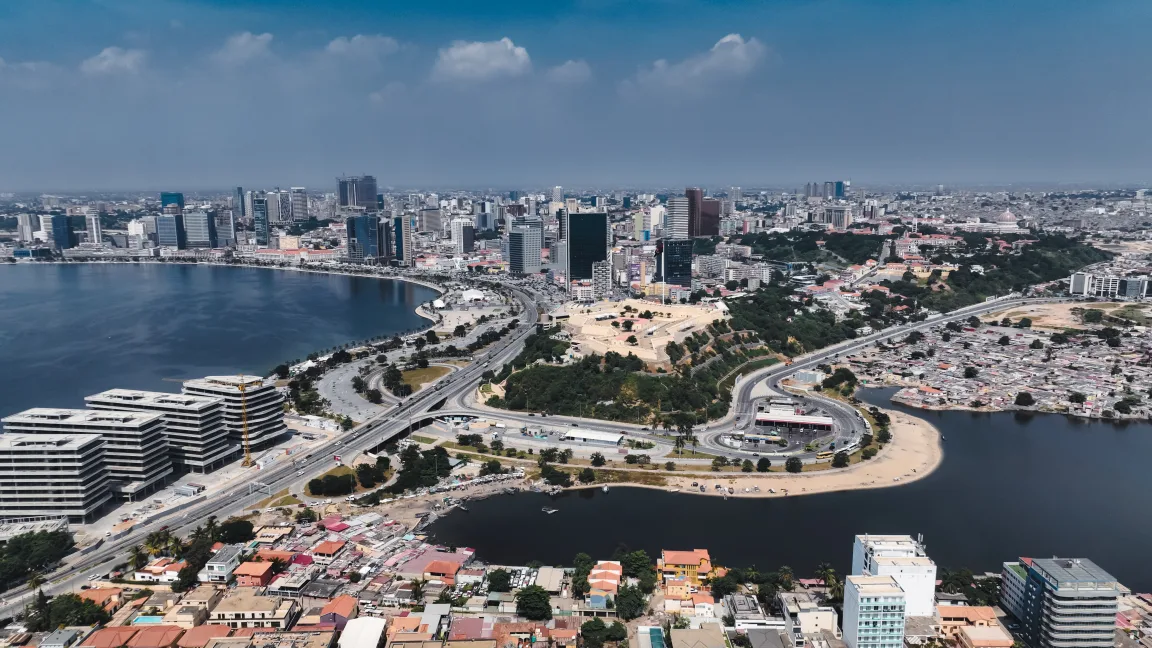
International flights arrive at Quatro de Fevereiro Airport, just 5km from downtown—the gateway for most visitors. Taxis and ride-hailing apps (like T’Leva) are safest and most convenient, as public transit is limited and not geared for tourists. Within the city, many prime foodie neighbourhoods—Ilha do Cabo (the peninsula), downtown Baixa, and the sprawling Roque Santeiro market zone—are within a 10-20 minute drive of each other, barring rush hour. For evenings, stick to taxis and aim to return before late night unless accompanied by a local guide. Walkable stretches along the Ilha’s main strip and the Marginal bayfront are the best for self-guided eating crawls.
Where to stay
- Ilha do Cabo: Perfect for food explorers and nightlife seekers—direct beach access, a string of casual seafood huts, and late-night grill stalls. Central for walking to most popular food stops.
- Baixa (Downtown): The heart of old Luanda; a compact district great for exploring on foot by day, with proximity to banks, markets, and street vendors dishing up everything from mufete breakfasts to quick lunches. Suits those wanting a more urban, local vibe.
- Miramar: A hillside area with some quiet residential stays, ideal if you want access to both the centre and the more chilled, sunset-facing bar-restaurants above the bay. Less crowded and convenient for evenings out along the Marginal.
- Kinaxixe and Maculusso: Suited to those who want easy reach to key markets and transport without staying right in the city’s tourist corridor. Lively, local, and close to neighbourhood bakeries and cantinas.
Suggested day-by-day
- Day 1: Arrive and head to Baixa for breakfast at Mercado do Kinaxixe—try fresh pão with café, or a quick pastel de peixe. Walk the downtown markets sampling banana-pão, grilled maize, or cassava chips. Spend your first evening on Ilha do Cabo for sunset: enjoy grilled peixe grelhado at a beach stall, and street vendors serving moamba de galinha to the sound of live kizomba.
- Day 2: Start with a classic Angolan breakfast—funge with calulu at a local canteen in Maculusso. Tour Mercado dos Congolenses for deep-fried fish balls and spicy ginguba (peanuts). Afternoon, join locals at Chicala neighbourhood beachside barracas for samosas and picadas (meat and veggie platters). Return to the Ilha at dusk for grilled prawns and cold Cuca beer, hopping between open-air shacks.
- Day 3: Venture to Roque Santeiro (now relocated, but still the city’s market heart); taste grilled goat brochetas, sweet mandioca fritters, and local sugarcane juice. Next, stroll Rua Major Kanhangulo’s informal food stands downtown: try street-prepared mufete (grilled fish, beans, plantain) and lemonade with ginger. Late afternoon, sample sweet and savoury pastries at a padaria (bakery) in Miramar, then dinner at the bayfront Praça 1º de Maio area, where the atmosphere peaks on Friday and Saturday nights.
- Day 4: Morning in Samba neighbourhood for fresh fruit juice and locally-made bolo de coco at small street carts. Before departure, return to your favourite Ilha or Baixa eatery for a final tasting—perhaps a classic caldeirada de peixe (fish stew). For those with time, detour to Cacuaco for regional specialties and to watch fishers landing the catch behind open-air grills. Depart via Quatro de Fevereiro Airport.
Budget
Luanda’s street and market food scene is a top choice for value in an otherwise pricey city—local meals and eats from vendors or canteens are a fraction of formal restaurant prices. The biggest splurges are seafood platters or sunset drinks at prime beach huts along Ilha do Cabo, but even these can be managed by sticking to simple grilled fish and local beer. Most bakeries, markets, and street stalls accept cash only, and queues are common at peak hours. Consider pre-booking taxis, especially for night movements or airport transfers, as this is often safer and more reliable than hailing at random.
Practical tips
Expect basic English at most food stalls—carry a phrasebook or translation app for easy exchanges. Always ask prices before ordering. Street food is safe if bought from busy stalls with high turnover—avoid raw dishes. Mobile connectivity is good; pick up a local SIM on arrival for easy mapping and taxi bookings. Pickpocketing can be an issue in busy markets, so keep valuables secure. Tipping is welcomed but not required at street vendors. Try to spread large bills before heading to small stalls—change can be limited. For a richer experience, consider booking a local food guide for at least one market crawl, and check festive dates ahead; during popular festivals, certain dishes like goat brochetas and cassava fries may sell out fast.