Overview
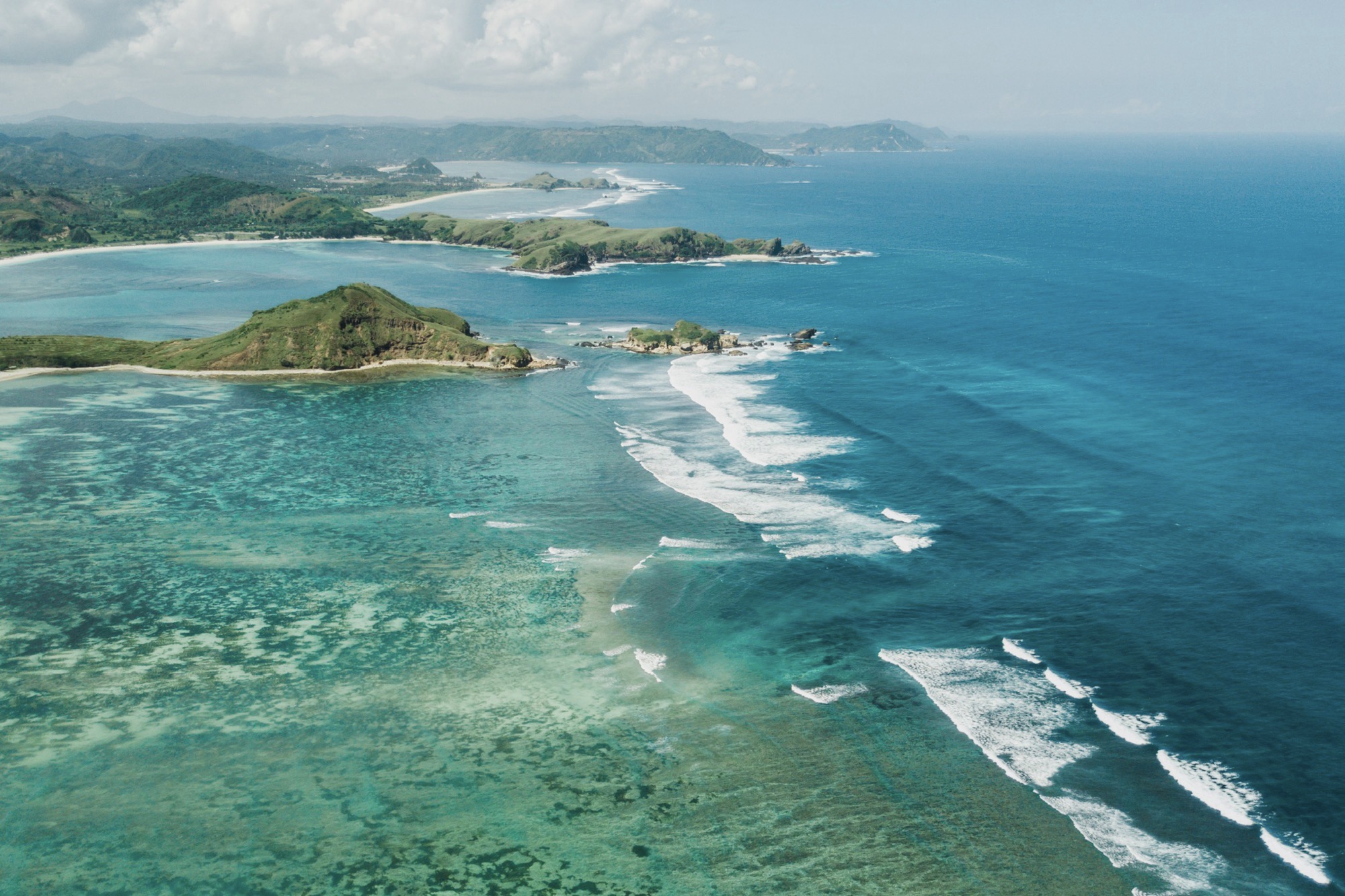
Lombok, Indonesia is often overshadowed by its famous neighbour Bali, but for solo travellers seeking a blend of real adventure and peaceful downtime, Lombok offers its own compelling rhythm. Here, uncrowded beaches stretch along the coastline, traditional Sasak villages dot a lush, mountainous interior, and Indonesia’s imposing Mount Rinjani looms large over a landscape defined by waterfalls, rice paddies, and pockets of dense jungle. Lombok embodies island life at its most authentic, with a strong local culture, markets bursting with colour, and a pace that allows for both leisurely exploration and spontaneous detours. This 10-day route brings out the best of the island, balancing soft adventure—surfing, hiking, waterfall chasing—with well-earned relaxation in mellow cafés or on stretches of sand where the soundtrack is the rustling of palms and gentle crash of surf.
This trip is tailor-made for independent explorers who like to set their own agenda. Navigating Lombok is absolutely viable solo: it’s easy to hire a scooter, find friendly homestays, and join group treks, with welcoming locals always eager to help. It’s perfect for those who want their trip unstructured and don’t mind a bit of logistical wrangling—there are fewer English speakers than in Bali, and a little patience goes a long way. Introverts can lose themselves among rice terraces or on Gili Air’s car-free paths, while social travellers will find new friends on sunrise hikes or casual beach bars. It’s less suited to those seeking luxury resorts, nightlife, or constant connectivity, and not ideal if you’re uncomfortable driving a scooter or seeking contrived group tours—the charm here lies in freedom and genuine discovery.
Best time to visit
Lombok’s dry season runs from May to September, with blue skies, calm seas, and reliably sunny days—perfect conditions for hiking Mount Rinjani, swimming under waterfalls, or lazy beach time in Senggigi and Kuta. July and August see a noticeable peak in crowds, particularly in Senggigi and the Gili Islands, with room rates up and advance bookings wise for ferries and guided treks. Early May and late September offer the sweet spot: the weather remains excellent, but the island and its boats are quieter, making for a more laid-back, spontaneous trip. From November through March, the rainy season transforms Lombok into a carpet of green: ideal if you’re here for photography, waterfalls at their most powerful, or fewer people, but be aware that heavy downpours may disrupt mountain access, and trekking trails can get slippery. However, coastlines like Kuta and Sekotong remain inviting with intermittent sun and a dramatic, often secretive vibe.
Best month window: Late May to mid-June brings reliably sunny weather with shoulder-season crowds, making it the ideal time for both adventure activities and relaxation without the hustle.
Getting there and around
Lombok International Airport (Zainuddin Abdul Madjid, code LOP) offers direct flights from Bali, Jakarta, Kuala Lumpur, and Singapore, placing you about 30 minutes from Kuta and an hour from Senggigi by taxi or shuttle. Fast ferries connect Bali’s Padangbai port with Senggigi and Bangsal (for the Gilis), with crossings taking 1.5–2.5 hours depending on the route and sea conditions. Bangsal is also the main departure hub for public boats and fast boats to the Gili Islands—these run frequently but can be chaotic, so buy tickets from the official harbour window.
On the island, scooter rental is the mode of choice—roads are generally in better shape and less busy than Bali, especially from Senggigi to Kuta (about two hours). Local bemo minibuses run between main towns but are slow and sporadic. For mountain treks and waterfall regions, private drivers, shared shuttles, or joining a guided group tour are practical, particularly if you’re starting from Senggigi or Kuta. Key journey times: Senggigi to Senaru (for Mount Rinjani/Sendang Gile) is roughly 2.5 hours by car or scooter; Senggigi to Kuta is also about 2–2.5 hours via Mataram; Senggigi to Bangsal (the Gili Islands’ jetty) is under an hour by scooter. Return transfers from Kuta to the airport take roughly 30–40 minutes by taxi or ride-hailing app. Intercity shuttle vans can be arranged through your accommodation, and some guesthouses offer reliable pick-up/drop-off services for remote treks or Gili Island ferries.
Where to stay
- Senggigi: Best for a soft landing on arrival—choose this relaxed west-coast resort town if you like tranquil sunsets, easy beach access, and a mix of homestays, midrange hotels, plus lots of restaurants and art markets within walking distance.
- Kuta Lombok: Ideal for surfers and those wanting access to southern Lombok’s wild beaches—Kuta’s café culture and mix of boutique eco-lodges and budget guesthouses make it popular with solo travellers, and several gorgeous beaches (Tanjung Aan, Selong Belanak) are just a short scooter ride away.
- Gili Air: Of the three Gilis, Gili Air is the sweet spot for solo travellers: it is large enough for a range of chilled-out beach bars, yoga studios, and casual nightlife (without the party scene of Gili Trawangan), and small enough that it's easy to strike up conversations at shared tables or on snorkelling trips.
- Senaru: Stay here for direct access to Mount Rinjani’s trailheads and the twin waterfalls—homestays with epic volcano views offer a peaceful respite, especially before or after a trek.
Suggested day-by-day
- Days 1–2: Arrive in Senggigi. Settle in with a beach sunset at Batu Bolong Temple; browse Senggigi Art Market for woven baskets and batik; have dinner at a warung on Jalan Raya Senggigi and sample grilled ikan bakar. Spend a day on a self-guided scooter tour of Setangi and Nipah beaches for a mix of swimming, local coconut sellers, and relaxed cafés. Optional: stroll the quiet stretch of Malimbu Hill at dusk for panoramic ocean views toward Bali.
- Days 3–4: Catch an early-morning boat from Bangsal or Senggigi to Gili Air. Spend your days snorkelling directly from the beach over turtle-filled reefs, dropping in to H2O Yoga or Mandala Blue for a class, or cycling the sandy track that loops the island. Gili Air’s east side is perfect for sunrise, while the northwest headland hosts informal sunset gatherings. Return to Lombok in the evening or stay overnight—most solo travellers opt to stay for at least one night to experience both sunrise and sunset in a car-free, laid-back atmosphere.
- Days 5–6: Head inland toward Senaru. Trek through lush forest trails to Sendang Gile and Tiu Kelep waterfalls—arrive early for fewer crowds and bring waterproof bags for cameras. The village of Senaru itself offers insight into Sasak culture; guided village walks often include stops at traditional bamboo houses and rice terraces. Use a local guide for the waterfall hike, as trails can be slippery, and overnight in Senaru’s simple homestays with volcano-facing terraces.
- Days 7–8: Embark on your Rinjani adventure: join a crater rim trek (usually a two-day/one-night group or private tour, leaving pre-dawn and camping overnight), or opt for easier guided nature walks around Tetebatu or Sembalun if the full trek feels daunting. Witness dawn over Segara Anak lake—an unforgettable spectacle. Note: be sure to pre-book a Rinjani trek with a reputable operator, and allow a recovery afternoon after the descent.
- Days 9–10: Wind down in Kuta Lombok. Unwind on the sculpted curve of Tanjung Aan beach; join a beginner surf lesson at Selong Belanak, known for gentle waves and a friendly local instructor scene, or take the time to explore markets in the centre of Kuta. Don’t miss sampling Ayam Taliwang or Pelecing Kangkung at a traditional warung. Kuta’s main strip comes alive in the evening with live music at tucked-away beach bars—perfect for a mellow final night.
Food and drink
Lombok’s cuisine is an earthy, spicy celebration of local produce and fiery sambal. Seek out Ayam Taliwang (chargrilled spicy chicken) at simple warungs in Kuta or Mataram; sample Plecing Kangkung (water spinach in hot tomato sambal) at local roadside eateries. Night food stalls on Jalan Raya Senggigi offer grilled corn and satay, while Senggigi Art Market and Pasar Mandalika in Kuta are lively hubs for tropical fruit and snacks like nasi bungkus. In Senaru villages, don’t miss a post-hike meal of freshly cooked tempeh and urap-urap (vegetable salad with coconut). On the Gili Islands, beach bars serve up fusion takes—try grilled fish or a smoothie bowl at the waterfront, or fresh coconuts and banana pancakes at local cafés. Vegetarian and vegan diners will find Kuta and Gili Air particularly friendly, with plenty of cafés catering to healthy and international tastes.
Budget
Lombok is significantly more affordable than Bali for solo travellers. Guesthouse accommodation, scooter hire, and market meals are all good value—and gentle haggling is accepted in markets. Splurges come in the form of guided Rinjani treks (which are worth booking in advance with a trusted operator), fast-boat transfers to the Gili Islands, and any private day trips with drivers (especially to remote beaches or hidden waterfalls). Eating in warungs or local food markets will keep costs down; international cafés and main tourist strips in Senggigi, Kuta, and Gili Air charge more, but still offer relative value. Consider pre-booking Mount Rinjani or popular Gili Air guesthouses in peak months, as walk-in bargains dwindle July–August. ATM access is good in towns, but some rural areas remain cash-only, so plan ahead, especially before heading to Senaru or remote southern beaches.
Practical tips
Renting a scooter is the best way for solo travellers to explore Lombok—roads are quieter than Bali, but always wear a helmet, drive cautiously around potholes and livestock (especially at dusk), and check rental contracts for insurance options. SIM cards (Telkomsel or Indosat) are affordable and sold at the airport or convenience stores, offering reliable data almost everywhere except Mount Rinjani’s upper slopes. For trekking, book with experienced licensed guides; many hostels and homestays can arrange this with 24 hours’ notice. Lombok is a cash-centric island—ATMs are available in Senggigi, Kuta, Mataram, and Gili Air, but always carry enough rupiah for rural trips. Tipping is optional but welcomed, especially for guides or guesthouse staff (10% is generous). Respect local customs, dress modestly away from tourist beaches, and avoid walking deserted areas alone late at night. Solo travellers report Lombok feels safe and welcoming, but standard precautions with valuables (using a money belt, locking your scooter) are wise. Booking mistakes: avoid unofficial boat agents for the Gilis (stick to the harbour or hotel-recommended transfer desks), and book Rinjani treks with licensed agencies only for safety, equipment, and ethical porter treatment.