Overview
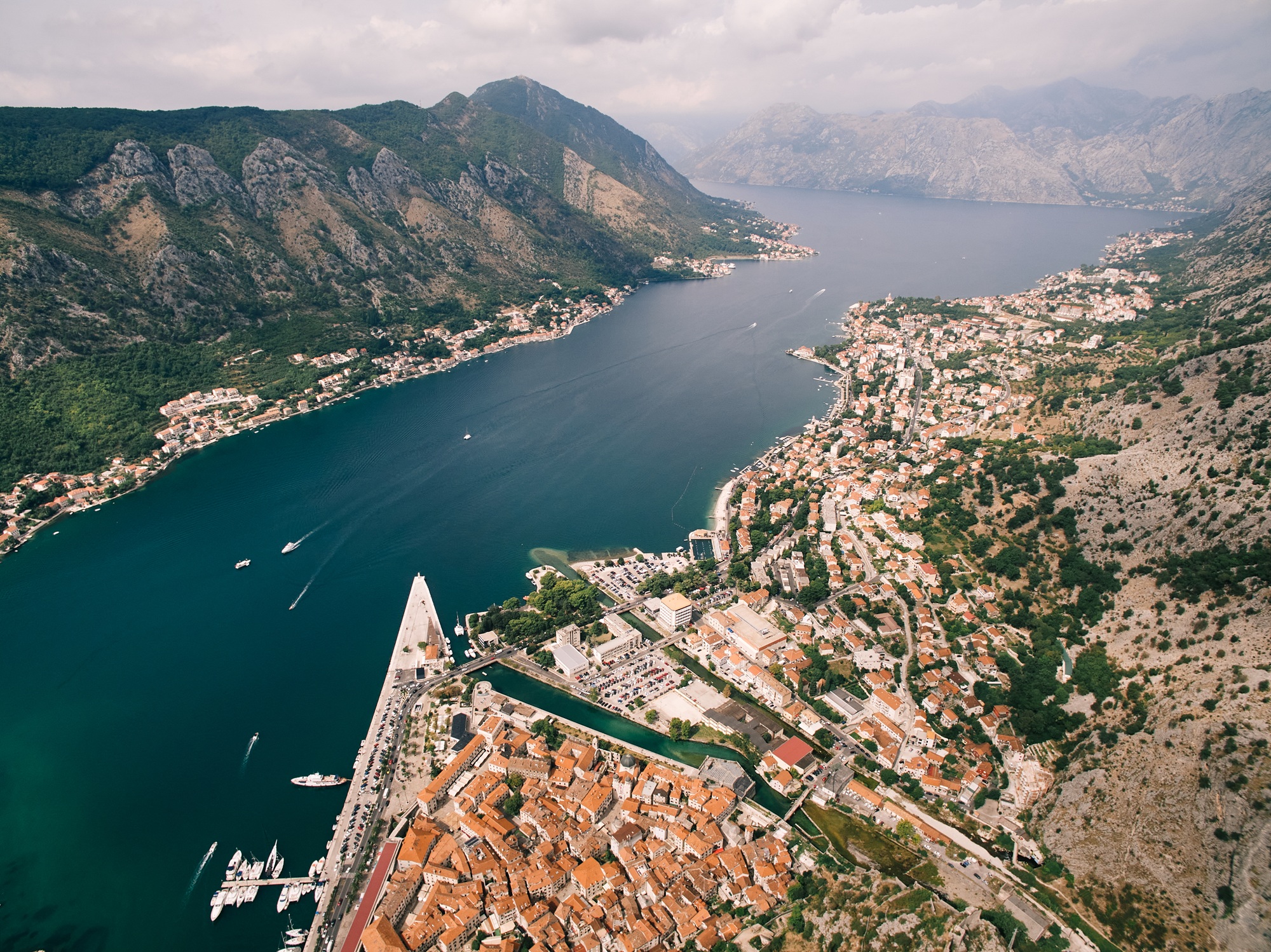
The Bay of Kotor and Montenegro’s Adriatic coast form one of Europe’s most evocative slow travel destinations, where timeworn stone towns meet steep limestone mountains and tranquil blue bays. This is a region made for wandering: medieval Kotor, a UNESCO-listed warren of alleyways and piazzas; postcard-perfect Perast, scattered along the water; and a scattering of pebble coves, Venetian palaces, and family-run konobas. What sets this trip apart is the pace — allowing days for idle explorations and local flavours, with space to linger over coffee, admire church facades, and watch evening settle over the bay from a quiet harbourside perch.
This itinerary is designed for couples and solo explorers drawn to gentle culture and quiet scenery, rather than nightlife or adrenaline. It suits those who love history, walking, and good food, who appreciate blending into local life rather than ticking off sights. The vibe is distinctly laid-back — you’ll swap shopping streets for slow swims, and late-night clubs for long dinners on the Adriatic. Travellers who crave action-packed adventures or big-city bustle will find this region sleepy at heart, best for winding down and living in rhythm with the coast.
Best time to visit
Montenegro’s coast is at its best in late spring (May to early June) and early autumn (September to early October), when the weather is warm but not stifling, the sea is swimmable, and the big cruise crowds haven’t yet descended — or have just departed. Days are reliably sunny, wild herbs scent the air, and coastal towns retain a local feel. High summer (July and August) brings high heat (often topping 30°C), packed beaches, and day-tripping crowds, especially in Kotor Old Town. Winter sees frequent rain and many restaurants shutter until spring.
Single best month window: Late May to mid-June — warm weather, open restaurants, and fewer crowds, ideal for town and mountain walks plus swimming.
Getting there and around
Kotor is served by Tivat Airport, just 8km away, with seasonal flights from many European cities, or by Podgorica Airport (90km, 1.5 hours’ drive), which has more year-round options. There’s no rail on this stretch of coast. Regular Blue Line buses and local minibuses link the towns (Kotor-Budva takes 30–40 mins; Kotor-Perast 25 mins), but operate on Mediterranean time — which is to say, with flexibility and sometimes delays.
For full independence, especially when exploring villages like Prčanj or Muo or making detours for swims and viewpoints, hiring a car for a few days is worthwhile; roads hug the bay and are generally well-maintained (with narrow lanes in older towns). Alternatively, regular water taxis run between Kotor, Perast, and nearby settlements, offering a scenic way to hop between them and avoid parking hassles. Cycling is becoming more popular between bayside towns, but roads are shared with cars and can feel narrow; for those comfortable on two wheels, this is a lovely, slow alternative. Between towns, allow time for traffic, especially in high summer when cruise arrivals bring congestion.
Where to stay
- Kotor Old Town: Perfect for first-timers who want to step straight out into cobbled lanes, with boutique stays in centuries-old buildings. Can be busy by day, tranquil by night.
- Dobrota: Just north of Kotor, a quieter stretch along the waterfront with stone houses and swimming jetties. Ideal for relaxed evenings and morning swims, yet walkable to Kotor.
- Perast: Intimate, romantic, and quieter at night, best for couples wanting dreamy bay views, with superb access to the islets and boat trips.
- Muo and Prčanj: Bayside villages on the opposite side of the water, offering local charm, traditional konobas, and a quieter, residential feel away from day-trip crowds.
Suggested day-by-day
- Days 1–2: Arrive in Kotor and settle into the Old Town; wander the labyrinthine alleys to discover hidden churches and squares. Time your climb up the San Giovanni Fortress for sunset views, when the crowds thin, and explore the city walls at dusk. Grab a morning coffee at Trg od Oružja and people-watch, or drop into the Maritime Museum for insight on the bay’s seafaring history.
- Day 3: Take a boat from Kotor’s harbour to Perast, stopping at Our Lady of the Rocks islet to visit its famous church and museum. Savour a waterside lunch on Perast’s promenade (try octopus salad or black risotto) and stroll past Venetian-era palaces. Return to Kotor by water taxi for a change of perspective on the fjord-like bay.
- Days 4–5: Head to Prčanj and Muo, villages curving along the opposite shore. Walk or cycle along the promenade, admiring the Baroque Church of St. Nicholas in Prčanj or dipping in the calm bay. Linger at a local pebble beach or swim from a private jetty. In the evening, book a table at a family-run konoba for Montenegrin wines and local cheeses; fit in an afternoon paddleboard session if the weather is calm. Stay overnight in your chosen village or return to Kotor.
- Day 6: Take the bus or drive to Budva, spending the day exploring the narrow streets and citadel of the walled Old Town. Cool off with a swim at Mogren Beach, a sandy cove just a short stroll away. On your return, pause at the stone lookout above Sveti Stefan for a classic sunset photo of the islet hotel, before heading back to Kotor or Dobrota.
- Days 7–8: Spend a morning at Kotor’s lively green market, picking up local figs, honey, or preserved meats for snacks. Conquer the hike up Vrmac ridge (trail begins near the Old Town’s northern gate), earning panoramic views across the bay and down to Tivat. On your last evening, seek out a tucked-away restaurant — such as those under the city walls or in hidden stone courtyards. Depart from Tivat or Podgorica.
Food and drink
Montenegro’s coast is a delight for food lovers, with a menu anchored in the Adriatic: expect grilled fish straight from the bay, calamari, mussels buzara (cooked in wine and garlic), and octopus salad, best enjoyed beside the sea in Perast or Dobrota. Don’t miss njeguški pršut (smoked ham) or local goat cheeses, especially in the konobas of Prčanj and the stalls at Kotor’s market. Try black risotto, hearty stews, and bakery burek for quick lunches. Pair meals with a glass of indigenous Vranac red or Krstač white wine, or a shot of rakija (fruit brandy) offered as a welcome. For a casual vibe, head to local taverns or the Kotor market snack stalls, while dinner at a restored palazzo in Perast is a splurge for romance.
Budget
This itinerary fits comfortably within a mid-range budget, as most highlights — from old town wanders to fortress climbs and beach dips — are low- or no-cost. Accommodation in Kotor Old Town and Perast is more of a splurge, especially in high season, while seaside villages and Dobrota offer quieter options at better value. Dining out can range from affordable, hearty plates in konobas to pricier seafood feasts along the water; reserving ahead for top spots in high season is wise. Boat trips to Perast or Our Lady of the Rocks can add up, but are a core part of the experience and worth pre-booking. Renting a car for two to three days increases flexibility and can be cost-effective if sharing. Plan for some cash, as small konobas and beaches may not accept cards.
Practical tips
Kotor Old Town and bayside villages are best explored on foot — the compact streets and scenic promenades lend themselves to wandering. For local buses, check updated timetables at Kotor’s main station and allow buffer time, especially if connecting to flights or transfers. Water taxis provide a scenic and efficient way to move between key villages in season (book ahead in summer). Consider buying a local SIM card (Telenor or m:tel) for navigation, timetables, and translation. ATMs are widespread in towns, but carry cash for small purchases. In restaurants and cafes, tipping (5–10%) is appreciated, though not compulsory. Dress modestly when visiting churches. Sturdy shoes are essential for fort climbs and hiking; carry a sun hat and refillable water bottle for long days out. Note that restaurant opening times and bus schedules become limited from late autumn through early spring, so confirm in advance outside peak season.