Overview
Jordan captivates visitors with its deep blend of ancient culture, extraordinary ruins, and dramatic, varied landscapes. This classic 9-day route is designed for curious culture seekers who crave both authenticity and comfort, weaving through Jordan’s vibrant capital Amman, the mosaic-filled city of Madaba, the legendary Rose City of Petra, the lunar desert vistas of Wadi Rum, and a restorative float in the otherworldly Dead Sea. Along the way, you’ll encounter a collage of historical treasures, traditional hospitality, and some of the Middle East’s most jaw-dropping scenery, from Roman ruins to sheer sandstone cliffs and brilliant salt flats.
This itinerary is best suited to travellers eager for hands-on cultural immersion: think exploring bustling souks, baking bread with Bedouins, and hiking through ancient canyons. You’ll need to be comfortable moving at a brisk but realistic pace—this is not a slow, off-grid trek, but rather a thoughtfully-paced deep dive into Jordan’s essential experiences. If you’re seeking only luxury resorts, or find frequent hotel changes fatiguing, you might want a slower or more relaxed trip.
Best time to visit
Jordan’s climate is distinctly seasonal and can feel surprisingly varied given its compact size. Spring (March–May) dazzles with wildflowers around Petra and the northern hills, and consistently pleasant temperatures make long days of sightseeing distinctly manageable. Autumn (September–November) rivals spring’s comfort and brings golden light to desert landscapes, while crowds remain thinner than in the peak summer months. Summer (June–August) is extremely hot, especially in the Jordan Valley and desert south; it’s best avoided unless you’re heat-acclimated and don’t mind midday siestas. Winter (December–February) brings chilly weather in the north and sometimes rain, while the Dead Sea and Aqaba stay fairly temperate.
For both weather and manageable crowds, late April to mid-May is the single best time to visit—expect ideal temperatures, clear skies, and landscapes at their prettiest.
Getting there and around
Most travellers arrive at Queen Alia International Airport (AMM) near Amman, which is well-connected to major European and Middle Eastern hubs. Some may enter via Aqaba’s King Hussein International Airport (AQJ), useful if you wish to start or end with Red Sea snorkelling. Within Jordan, the major sights are connected by reliable highways, with the scenic King’s Highway offering outstanding views between Amman, Madaba, Petra, and Wadi Rum.
The most flexible way to explore this route is by hiring a car; driving is safe and signage is improving, but be prepared for some city traffic quirks and mountain switchbacks. Alternatively, trusted local drivers, multi-day private transfers, or small group tours are common and usually include guiding and tips. JETT buses link Amman with Petra, Wadi Musa, and Aqaba, but offer less off-the-beaten-path flexibility. The typical driving times are: Amman to Jerash (1 hour), Amman to Madaba (45 minutes), Madaba to Dead Sea (45 minutes), Dead Sea to Petra (3.5–4 hours via King’s Highway with stops), Petra to Wadi Rum (under 2 hours), Wadi Rum to Aqaba (1 hour), and Aqaba back to Amman (4 hours by road or 1-hour flight). Wadi Rum itself is roadless, so 4WD jeep transfers are required to your desert camp. Train services are not currently a practical option.
Where to stay
- Amman – Jabal Al-Weibdeh: A creative, leafy district popular with expats and travellers seeking indie cafes, art galleries, and atmospheric boutique hotels; great for urban strolls and relaxed evenings.
- Petra – Wadi Musa town centre: The best base for walking to Petra’s entrance at dawn, with a good selection of guesthouses and casual eateries. Higher up, the hill neighbourhoods offer excellent vistas of the valley.
- Wadi Rum – Disi Village edge: Close to the protected desert area, this informal cluster of Bedouin camps balances authenticity and accessibility, offering sunrise jeep rides right from your tent.
- Dead Sea – Sweimeh north shore: Home to Jordan’s main cluster of Dead Sea resorts and public beaches, ideal for spa-seekers and those craving restorative pools and expansive saltwater views.
Suggested day-by-day
- Days 1–2: Start in Amman—explore the hilltop Citadel, Roman Theatre, and Duke’s Diwan, then stroll Rainbow Street for street art and sunset views; don’t miss the gold souk downtown and overnight in Jabal Al-Weibdeh for easy walking.
- Day 3: Take a guided or self-drive day trip north to Jerash, wandering the grand colonnaded streets and temples. Optionally extend to Ajloun Castle for Crusader history, or to Umm Qais for basalt ruins and views towards the Golan Heights.
- Day 4: Depart Amman southbound via the King’s Highway. In Madaba, see the famed St George’s Church mosaic and pop into Haret Jdoudna for lunch. Continue to Mount Nebo for panoramic Holy Land views, then descend to the Dead Sea for a late afternoon float—overnight near Sweimeh.
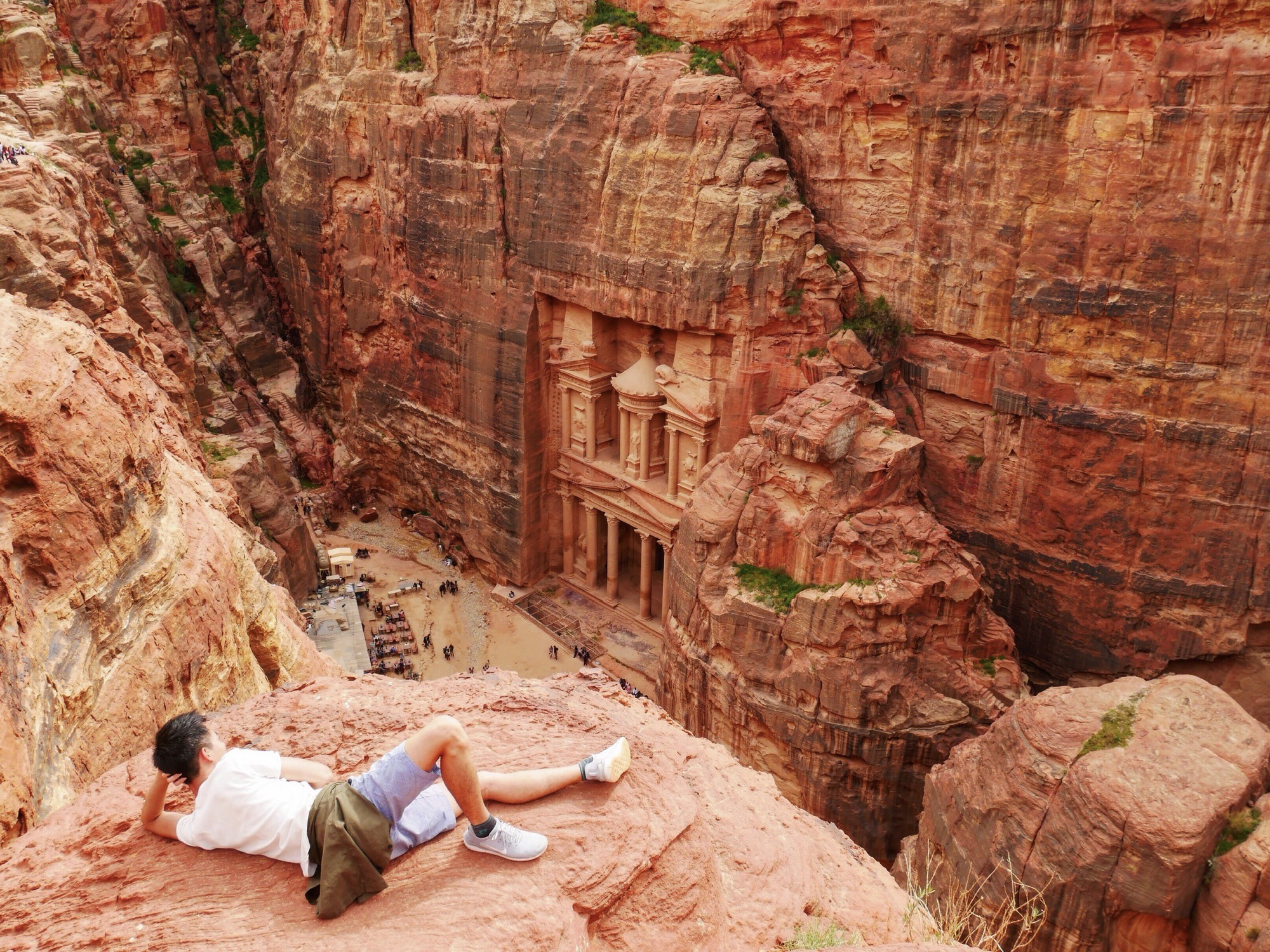
- Days 5–6: Head to Petra via the dramatic Wadi Mujib gorge (quick waterfall hike if time), arriving in Wadi Musa. Dedicate two days to the ancient city: the Siq, Treasury, Royal Tombs, Byzantine chapel, and Museum on day one; early the next morning, summit the Monastery or the High Place of Sacrifice for sweeping sunrise vistas, with a detour to Little Petra if energy allows. Stay in the lower town for easy site access.
- Days 7–8: Travel to Wadi Rum and select a Bedouin camp for an authentic desert experience. Spend your first afternoon on a rough-road jeep safari to Lawrence’s Spring, Khazali Canyon petroglyphs, and panoramic sand dunes; stargaze after a shared meal. On day two, opt for a camel ride or a guided sunrise hike before returning to the highway.
- Day 9: Depart via Aqaba—if time, sample Red Sea seafood at Al-Shami Restaurant or fit in a quick snorkel trip at South Beach. Then continue by road or short flight back to Amman for your departure evening.
Food and drink
Jordan’s cuisine is rich, hearty, and deeply regional. In Amman, don’t miss falafel and hummus at Hashem Restaurant, or walnut-stuffed kanafeh at Habibah Sweets. Seek out mansaf (lamb, rice and fermented yoghurt sauce) in local restaurants, especially for Friday lunch. In Madaba, mezze platters at Haret Jdoudna are a highlight, while Wadi Musa’s Al-Wadi Restaurant offers grilled meats and Jordanian classics. Bedouin camps in Wadi Rum serve zarb (vegetables and meats slow-cooked in sand ovens), best enjoyed under the stars. For the freshest seafood, Aqaba’s late-night fish markets and cafes are unmatched. Coffee is strong and cardamom-rich everywhere; street vendors sell sugar-syrupy mint tea at Petra’s upper tombs and market stalls.
Budget
This trip balances mid-range comfort with occasional splurges: accommodation ranges from boutique Amman guesthouses to atmospheric Bedouin camps and trusted Dead Sea resorts. Entry fees to key sites add to costs (budget-conscious travellers will benefit hugely from the Jordan Pass). Meals in Jordan can be excellent value, especially at local cafes, though the Dead Sea and Petra zones see higher prices. Small group tours and private drivers increase flexibility but cost more than public transport; pre-book these (and Petra-by-Night tours) to secure your schedule. Guides for Jerash, Petra, and Wadi Rum can be hired on site for relatively modest fees.
Practical tips
Buy a Jordan Pass online before you arrive—it covers your tourist visa and nearly all major site entry fees, saving money and queuing time. While driving is straightforward between cities, city traffic (especially in Amman) can be hectic—download an offline map app like Maps.me in advance. Mobile data is cheap and local SIMs are widely available at the airport; Google Maps works well countrywide. Tipping is customary (round up for taxi drivers, 10% in restaurants); in Bedouin camps, a small extra tip is appreciated. Dress conservatively in rural and religious areas—long trousers and covered shoulders for all genders. Carry bottled or filtered water and avoid tap water throughout your trip. For Wadi Rum, confirm that your camp is Bedouin-run and has clear transfers arranged from the village. Book Dead Sea or Petra accommodation well in advance in peak seasons; last-minute choices are limited and can be overpriced.