Overview
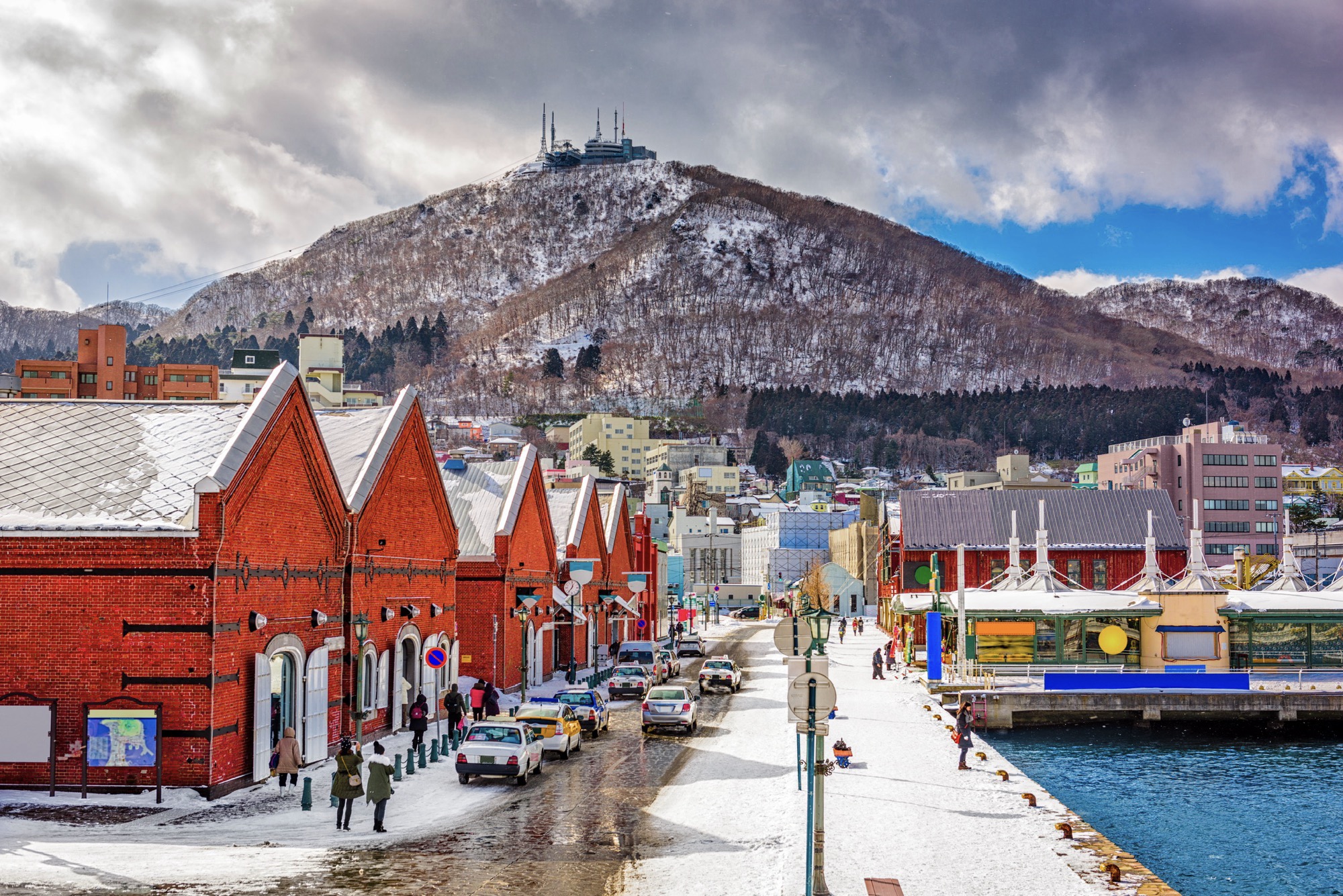
Hokkaido, Japan’s northernmost island, transforms into a breathtaking winter wonderland from late January through early March. Famous for its whisper-quiet snowscapes, steamy mineral-rich hot springs (onsen), and wild open national parks, Hokkaido offers something few other winter destinations can: a blend of festive city culture, rare wildlife, and a culinary experience driven by one of the world’s richest cold-water seafood larders. This 10-day trip is designed for nature lovers and adventurous foodies who want more than just a ski holiday — think snow festivals, crane watching in marshes, volcanic onsen retreats, and street food under glowing lanterns.
This itinerary best suits those seeking variety: from urban discovery in Sapporo to historic canals in Otaru, rural ryokans near geothermal valleys, and remote eastern wilds where migratory birds dance at dawn. While there's plenty for skiers, this guide is curated for travellers whose priorities are wildlife, unique festivals, food and authentic onsen experiences, rather than just time on the slopes. Those averse to cold, snow or multiple train journeys may want to rethink, as winter weather and rural distances are both part of the charm and the challenge.
Best time to visit
Hokkaido’s winters last from December to March, but the absolute peak for both atmosphere and events is late January to mid-February. The Sapporo Snow Festival (usually early February) showcases enormous, dazzling ice sculptures in Odori Park, while Otaru’s Snow Light Path Festival (Otaru Yuki Akari no Michi) bathes the canal district in the warm, flickering glow of thousands of candles. Ski resorts and onsen towns are lively, yet smaller crowds can be found as soon as you travel eastwards toward Kushiro or north to Asahikawa. Snowfall is deep and reliable; rural roads and train lines may be briefly affected by weather, but the payoff is the pristine winter scenery. Temperatures can drop to -10°C or below, with icy winds and the ever-present risk of snow flurries.
Best single window: The first two weeks of February, when Sapporo and Otaru’s festivals coincide for peak winter magic and regional delicacies showcase the season’s best catches.
Getting there and around
Most travellers arrive via New Chitose Airport (CTS), about 40 minutes south of Sapporo by JR Rapid train. Sapporo functions as the starting and ending hub for this itinerary, with excellent rail and bus connections to western and eastern Hokkaido. All major cities—Sapporo, Otaru, Asahikawa, Kushiro—are linked by JR lines, while smaller resort towns like Noboribetsu are accessed by local trains or highway buses.
The Hokkaido Rail Pass (flexible for 5-7 days) gives excellent value for multi-city travel and seat reservations are essential during festival periods. The longest journey is from Noboribetsu to Kushiro (approx 6 hours via Sapporo), but most sectors are 1–2.5 hours. Car hire is possible in rural Hokkaido but requires confidence on snowy mountain roads and some Japanese navigation skills. Most urban transfers can be done by public transport; taxis are reliable but expensive. Coin lockers are widely available at major stations for day trippers and late check-ins.
Where to stay
- Susukino (Sapporo): Sapporo’s nightlife, ramen alleys, and easy rail access make this perfect for urban explorers and foodies wanting the full city buzz.
- Otaru Canal District: Stay by the historic warehouses for an atmospheric base, especially during the festival or for those who love slow canal walks and seafood dining.
- Noboribetsu Onsen: The heart of Hokkaido’s hot spring country—ideal for relaxation seekers wanting traditional ryokan hospitality, kaiseki dinners, and direct access to Jigokudani trails.
- Kushiro Station Area: A practical choice for early-morning wildlife tours and easy rail connections, ideal for those prioritising red-crowned crane watching and seafood markets.
- Asahikawa City Centre: Compact, with good access to the zoo, ramen villages, and breweries; best for those keen to explore by foot and seek winter comfort food.
Suggested day-by-day
- Days 1–2: Arrive in Sapporo. Stroll Odori Park’s snow and ice sculpture maze, duck into Ramen Yokocho for miso ramen, sip local brews at Sapporo Beer Hall, and pay respects at Hokkaido Jingu shrine. Browse Nijo Market’s stalls for king crab, sea urchin and scallops, and ride the ropeway up Mt. Moiwa for panoramic city views at sunset. Public transport and walking cover all central sights with ease.
- Day 3: Short direct train (40 min) to Otaru. Wander the canal district, sample Otaru’s famed pressed sushi at Sankaku Market, visit Kitaichi Glass for glassblowing demos, and if timed during the Snow Light Path Festival, enjoy an evening stroll through glowing lantern-lit streets. Otaru is compact and walkable, with local buses for reach beyond the canal.
- Days 4–5: Transfer by train and bus (about 2 hours via Minami-Chitose) to Noboribetsu. Bathe in milky volcanic onsens, walk the boardwalks of Jigokudani (‘Hell Valley’) to spot steam vents and sulphur rivers, and stay at a traditional ryokan with kaiseki dinner. Optional half-day at Noboribetsu Bear Park if interested in local wildlife. All local ryokans offer shuttle buses from the station.
- Days 6–7: Long but scenic train journey east (approx 6 hours) to Kushiro, via Sapporo. Join a dawn eco-tour to spot red-crowned cranes in Kushiro Tancho Sanctuary or Tsurui Ito Tancho Sanctuary (Jan–Mar is peak for their snow courtship dances). In town, explore Washo Market’s seafood stalls and try robatayaki (charcoal-grilled seafood) at an izakaya. Make time for a winter walk in Kushiro Shitsugen National Park’s snowy marshlands. Taxis and tour shuttles are vital for sanctuary access.
- Days 8–9: Northbound limited express train (approx 2.5 hours) to Asahikawa. Don’t miss Asahiyama Zoo’s famous penguin parade and hands-on cold-weather animal enclosures. Inside the compact city, tour sake breweries (Otokoyama and Takasago are noted), sample shoyu ramen at Aoba or Santoka, and warm up at local sento (bathhouse). Walking, plus short local bus trips, suffice in winter.
- Day 10: Return by express train (1.5 hours) to Sapporo for a last onsen soak (Jozankei Onsen via bus, or urban baths like Hoheikan), souvenir hunting at Tanukikoji Shopping Street or exploring the Sapporo Winter Sports Museum before heading to the airport.
Food and drink
Hokkaido is a seafood haven: Sapporo’s Nijo Market, Kushiro’s Washo Market, and Otaru’s Sankaku Market brim with winter specialties like hairy crab (kegani), sea urchin (uni), ikura (salmon roe), and huge scallops. Don’t miss robatayaki (seafood grilled over open coals) at Kushiro’s izakayas, fresh sushi and sweet sake locally brewed in Otaru and Asahikawa, and a warming hotpot of ishikari nabe (salmon stew). Classic Sapporo ramen, a rich miso broth with butter and corn, is a must at Ramen Yokocho alley; in Asahikawa, try the shoyu ramen and locally distilled sake. For snacks, try yaki-imo (roasted sweet potato) from street vendors and Hokkaido’s signature dairy desserts like soft serve ice cream.
Budget
This trip favours mid-range to comfort-level travellers, with major savings on transport via the Hokkaido Rail Pass but splurge options in ryokan stays and kaiseki dinners. Accommodation costs peak during festival periods, and rural ryokans with private onsen baths often require advance booking and prepayment. Street food, ramen, and seafood markets offer affordable lunch options, but multi-course kaiseki and robatayaki dinners are the signature splurges. Entry to zoos, sanctuaries, and festivals is modest by global standards, but guided wildlife tours and premium train seat reservations add to the budget. Winter gear rental is available in Sapporo and ski areas for those travelling light. Almost all experiences can be pre-booked, especially festivals, ryokan stays, and guided tours.
Practical tips
Purchase and activate your Hokkaido Rail Pass before the first regional transfer; seat reservations are crucial during festivals—do at least 24 hours ahead at major stations. Get an IC card (e.g., Kitaca or Suica) for city transport. Limited English is spoken in rural towns—translation apps and written Japanese addresses help. Dress in layers: thermal base, windproof outer layer, insulated boots, gloves, and a hat. Carry cash, especially for rural shops, markets, and onsen entry, as credit card acceptance drops outside urban areas. In onsens, follow Japanese etiquette: wash thoroughly before entering, no swimwear, and keep towels out of the water. Book accommodation and tours months in advance during the Sapporo and Otaru festivals. Coin lockers at stations make luggage handling easy for day trips. Wi-Fi is reliable in cities and tourist venues but patchy in national parks—consider a pocket Wi-Fi rental for continuous access. Hokkaido is safe and exceptionally polite—just be prepared for the cold and for slower, weather-affected travel.