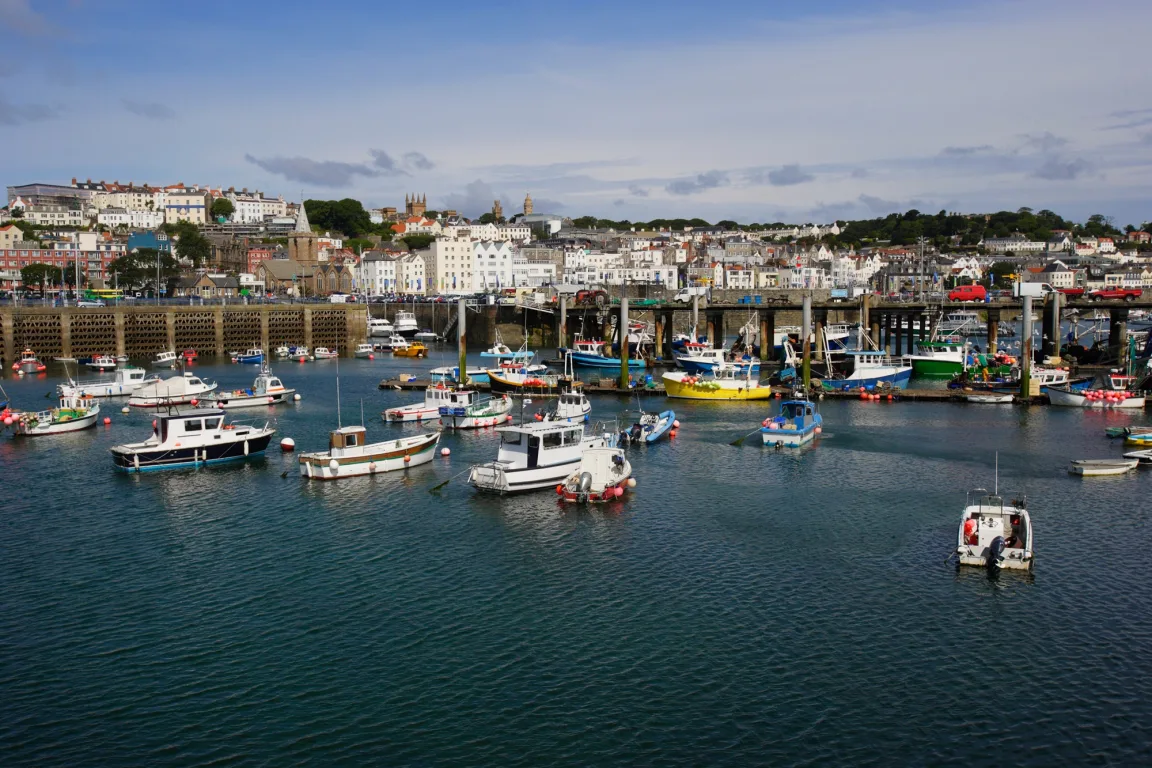
Overview
Guernsey is a compact, charming island whose food scene is defined by ultra-fresh seafood, creative street eats, and a thriving market culture—making it a genuine delight for food lovers seeking authentic local flavours. This four-day itinerary is crafted for those who want to savour Guernsey’s best local bites, from seaside kiosks and open-air market stalls to historic cafés and pop-up food vans. It’s perfect if you value laid-back discovery over fine-dining formality, and would rather tuck into a crab sandwich on the harbour wall than spend hours at a white-tableclothed restaurant. Less suited, perhaps, to those seeking high-end dining exclusivity or a non-stop party vibe, as Guernsey’s culinary strengths are its friendly, approachable food culture and coastal community charm.
Travellers searching for fresh-off-the-boat shellfish, artisanal baked goods, and heartwarming island classics will find plenty to excite their palate here. The relaxed pace, walkable distances, and gorgeous coast make it easy to graze from stall to stall—and the warmth of local food traders means you rarely need to book ahead. Vegans and strict vegetarians should note options exist but are fewer compared with mainland hotspots, and weekenders may find some street-eats vendors trade only on key market days or during warmer months.
Best time to visit
Guernsey’s food scene is at its most vibrant between late April and mid-September, as the island’s outdoor markets, seafood kiosks, and casual dining spots hit full stride alongside a packed calendar of food festivals. Summers bring balmy afternoons, long daylight hours, and frequent pop-up food events, but the spring and early autumn shoulder seasons retain many culinary highlights with fewer crowds. Markets can be quieter or close altogether in midwinter, though the island’s cafés keep the fire burning year-round. Best month window: Early June to mid-July combines lively food events, reliable sunshine, and peak freshness for lobster, crab, and seasonal produce.
Getting there and around
Fly direct into Guernsey Airport (serviced from London, regional UK, and seasonal European cities) or opt for the ferry from Poole or Portsmouth, arriving into St Peter Port’s pretty harbour. St Peter Port is the gateway to the island and the natural hub for street-style eats, markets, and casual venues. Public buses radiate outwards, covering the main coastline and villages; most food-centric locations on this itinerary are within 10–30 minutes by bus or less than 40 minutes by bike from the town centre. Taxis and cycle hire are both plentiful and straightforward—ideal if you want an impromptu crab shack detour. Hire cars aren’t essential unless you’re venturing beyond public routes or want total flexibility; roads are narrow and best navigated without rush.
Where to stay
- St Peter Port: Ideal for foodies who want to be in the thick of markets, harbourfront stalls, and buzzing evening pop-ups—steps from the early morning and late-night action.
- Cobo Bay: Famous for its golden sands and legendary beach kiosks, perfect for those who want to graze through breakfast crêpes, beachside chips, and informal evening BBQs.
- St Sampson: Suits travellers seeking local pubs, seafood nooks, and a less touristy scene, all within quick reach of the northern coast’s hidden gems.
- Forest Parish: Best for tranquil surroundings with easy airport access, suitable for visitors combining food-tripping with a rural coastal retreat.
Suggested day-by-day
- Day 1: Arrive in St Peter Port. Start at the Town Market (Le Marché) for local produce, artisan breads, chutneys, and Guernsey fudge. Wander down to the harbourfront and have lunch at Boulangerie Victor Hugo for an authentic Guernsey gâche, followed by fresh crab sandwiches and locally landed bass at the seafood stall near the Liberation Monument. Evening: Join the queue at Octopus for casual global-inspired bites and sunset drinks on the terrace.
- Day 2: Head to Cobo Bay for a beach breakfast at Cobo Tea Room, famous for its hearty bacon baps and homemade cakes. Stroll along the sand to Woodies Kiosk for classic Guernsey ice cream, then catch the bus to Vale for a midmorning stop at The Vale Douzaine Farmer’s Market (if Saturday). Snack your way round the food trucks—look for Thai street food or local sausage rolls. Afternoon: Return south for a seafood dinner at Le Nautique in St Peter Port or get takeaway fish and chips from The Chip Inn.
- Day 3: Explore St Sampson’s harbour area—pause at the Bridge Kiosk for Guernsey buttered brioches and watch the boats come in. Visit Roast Market if open for pulled-pork buns and veggie pastries. Afternoon: Cycle to Moulin Huet for a picnic of takeaway pastries from St Martins Village and coffee from the Moulin Huet Tearoom, then relax at the dramatic clifftop. Evening: Seek street-style pizza at Didis, or enjoy a Guernsey beer at The Guernsey Brewery’s taproom.
- Day 4: Sample a local breakfast—perhaps sourdough toast at The Muse Café or a scone with black butter jam. Skirt the coast to Petit Bot Bay and try the quirky Petit Bot Café (open summer) for locally sourced lunches. Stock up on edible souvenirs at Forest Stores and, if time, enjoy a farewell meal at The Slaughterhouse—casual but quality, serving contemporary British classics from an open kitchen.
Budget
Guernsey’s street eats and market food offer excellent value compared to formal sit-down restaurants; you can graze affordably, particularly at local bakeries, beach kiosks, and food trucks, while artisan cafés and waterfront venues allow for the occasional splurge. Seafood is best enjoyed at the source—order simply for freshness and value. The main splurge is a proper lobster or fresh catch at a harbourside restaurant, especially in peak summer. Book ahead for dinner at popular spots (Le Nautique, Octopus), but most kiosks and markets are walk-up and cash friendly.
Practical tips
Markets and roadside food vans run mainly spring to autumn, often shutting up shop on stormy days or off-season, so check days and hours if planning a visit around specific stalls. Buses are reliable and cheap on main routes; consider a visitor bus pass for unlimited travel over four days. Free WiFi is available in most cafés, and mobile coverage is consistent across the island. Etiquette is informal but friendly—queues are respected, and a little patience is essential when markets are busy. Don’t miss Guernsey’s own cider and real ale for local flavour, and always carry some cash for small vendors, though most take cards. Guernsey’s slow-food rhythm is part of the charm—embrace it, and you’ll taste the best the Island has to offer.