Overview
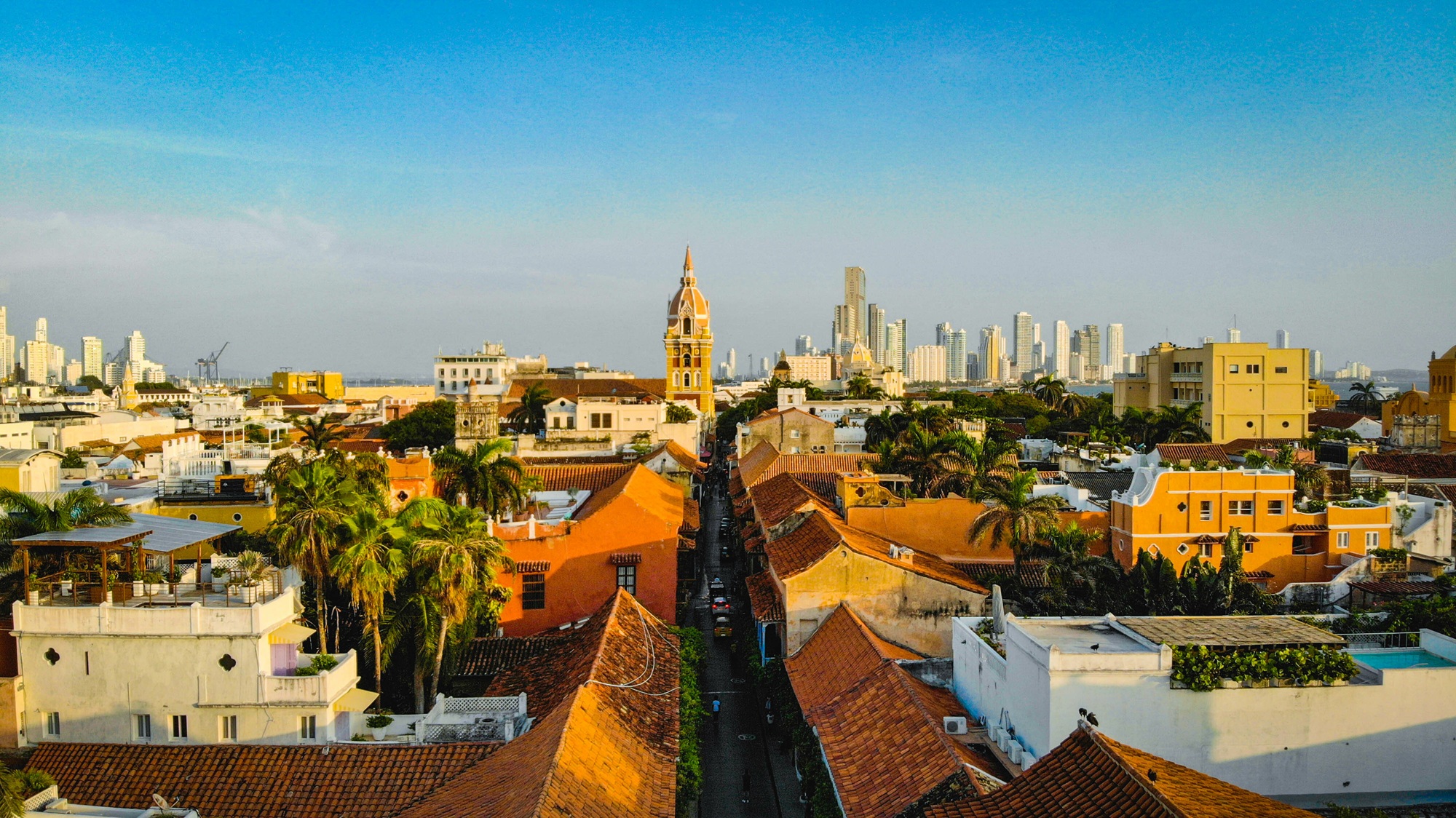
Colombia’s Caribbean coast emerges as a mesmerising tapestry where centuries-old heritage meets languid beach life. At its heart, Cartagena mixes Spanish colonial drama with cobbled romance: think ochre city walls, bougainvillea-draped balconies, and bustling squares alive with music and vendors. Yet Cartagena is just the opening act—this journey sweeps you onward to the Afro-Colombian rhythms of San Basilio de Palenque, the crystalline turquoise waters of the Rosario Islands, and the sweeping, jungle-backed beaches of Santa Marta and Tayrona National Park. The result is a deeply sensory travel experience, where every stop reveals a new facet of Caribbean Colombia, from World Heritage city tales to palm-fringed, hammock-lulled shores.
This trip is perfect for couples seeking a blend of cultural immersion, culinary depth, and sun-drenched tranquillity, all with a dash of soft adventure. It’s not the destination for non-stop nightlife, nor does it suit those wanting high-adrenaline exploits; instead, the focus here is on wander-worthy history, relaxed days by the sea, and encounters with vibrant local culture. Expect to walk historic alleyways, learn a few salsa steps, sample just-caught ceviche, and always have the option of slipping away to island calm or jungle seclusion at a moment’s notice.
Best time to visit
The dry season (December–March) delivers reliably sunlit days, cooling breezes, and the energetic pulse of street festivals such as Cartagena’s Hay Festival (January) and Barranquilla Carnival (February, a possible side-trip). Evenings are warm yet comfortable—ideal for open-air dining and sunset cocktails. Between May and November, short-lived tropical downpours (heaviest in October) green the landscape but rarely spoil a day; mornings often shine even in rainy months. Cartagena's walled city feels busiest from December to February with cruise ship arrivals, but its bars and cafes retain a friendly hum. Santa Marta and the Rosario Islands are much less crowded, and Tayrona’s wild beaches reward those willing to visit just before or after Colombian school holidays.
Best window: Late January to early March: peak sunshine, festival buzz, and relatively light rainfall across the coast.
Getting there and around
The main international gateway is Rafael Núñez International Airport (CTG) in Cartagena, with direct flights from US and major Latin American hubs. Santa Marta (SMR) also has a domestic airport with connections through Bogotá, Medellín, and Cali—useful for your journey’s end. Taxis and private transfer services are reliable and should be agreed upon in advance; app-based ride-hailing is available in Cartagena and Santa Marta.
On this route, the majority of journeys are overland (Cartagena–Santa Marta is 4–5 hours by private car, slightly longer by bus). For island escapes, regular ferries and hotel shuttles (45–60 minutes) depart from Cartagena’s Muelle de la Bodeguita to Isla Grande in the Rosario Islands. Consider booking ferry tickets at least a day ahead in high season. The Tayrona National Park entrance (‘El Zaino’ gate) is a further one-hour drive north-east from Santa Marta. Regional buses and shared vans are cost-effective but less comfortable than private transfers, especially for couples with luggage. Within cities, historic centres are easily walkable. Taxis and mototaxis fill other gaps—always check rates beforehand and avoid unlicensed drivers.
Where to stay
- Cartagena Centro Histórico: Best for couples who want atmospheric stays in centuries-old mansions, steps from plazas, top dining, and nightlife.
- Getsemaní: A youthful area with creative street art, indie bars, boutique guesthouses, and close access to the old city—perfect for travellers who want local energy without crowds.
- Rosario Islands (Isla Grande): For a true escape, opt for beachfront eco-resorts or cabanas with direct reef access and starry night skies—suited to romance and unplugged relaxation.
- Santa Marta Historic Centre: Lively yet laid-back, this is the spot for walkable seafood streets and easy access to Taganga and the port.
- Tayrona Park fringe (e.g., Los Naranjos, Cañaveral): Stay just outside the park for jungle lodges or rustic cabins—with early access to trails and quieter beaches.
Suggested day-by-day
- Days 1–3: Settle into Cartagena’s UNESCO-listed Centro Histórico; wander the San Felipe de Barajas fortress, lose hours in Plaza Santo Domingo, admire Getsemaní’s mural-splashed alleys, shop at Portal de los Dulces, and savour sunset at Café del Mar overlooking the Caribbean. Try a Colombian cooking class or salsa dancing in a local studio—ample taxis connect historic areas easily if the heat rises.
- Day 4: Take a guided day trip to San Basilio de Palenque (1.5 hours by van/car). Walk the town’s streets with a community leader, learn about its maroon legacy, enjoy drumming workshops, and sample home-cooked coconut rice at a local kitchen. Guided transport required due to rural location.
- Days 5–6: Catch an early ferry to the Rosario Islands (Isla Grande). Spend afternoons snorkelling vibrant reefs, paddleboarding, and spotting bioluminescence at night. Dine on fresh fish at local beach kiosks or resort terraces. Island life is low-key; pack lightly and book return ferry and stays before arrival.
- Day 7: Return mid-morning to Cartagena, then transfer along the coastal highway to Santa Marta. Explore Santa Marta’s Malecón, pop by Parque de Los Novios for drinks and music, and try Caribbean street food by sunset; private car or shared van is the easiest way to make the journey.
- Days 8–10: Head to Tayrona National Park (one hour’s drive). Hike jungle-lined paths from Cañaveral to Arrecifes, then onward to Cabo San Juan for protected swimming and iconic palm-studded beaches. Indulge in hammock siestas, watch for howler monkeys and iguanas, and sample fresh fruit juices from trail vendors. Pre-book accommodation in or near the park for best access—leave heavy bags in Santa Marta.
Food and drink
Cartagena’s culinary scene is a heady mix of Caribbean, African, and Spanish influences. Don’t miss the city’s legendary ceviche at La Cevichería, arepas de huevo at Café Lunático or any local stall, and coconut rice or fried fish along Plaza de San Pedro Claver. Basurto Market is a bustling, local affair for sampling juices, street arepas, and empanadas—best with a guide. In Getsemaní, Café Havana is an institution for live salsa, mojitos, and late-night dancing. On Isla Grande, order cazuela de mariscos (seafood stew) or patacones (fried plantains) from beachside grills. Santa Marta charms with beachfront dining at Parque de los Novios and tangy coco-lime limonadas. Tayrona’s trail vendors and eco-lodge kitchens serve tropical fruits, grilled fish, and fresh batidos (smoothies)—ingredients often sourced from nearby villages.
Budget
Prices rise steeply within Cartagena’s city walls and on the Rosario Islands compared to regional cities. Dining well is affordable outside the old city, while market meals and snacks cost little, even in tourist areas. Island accommodation is a splurge (especially for eco-lodges), but boat transfers, snorkel rentals, and local street eats are good value. Tayrona National Park entry and in-park lodging are affordable if booked ahead; consider spending on a private trail guide for wildlife spotting. Taxis and ferries are usually moderate in cost but surge in high season—book in advance. Private transfers between cities are a comfort splurge for couples but optional; buses offer more budget efficiency. Always carry some cash for street vendors, guides, and park entry—the coast is generally safe, but pickpockets operate in busy plazas.
Practical tips
Explore Cartagena’s centro and Getsemaní on foot, but rely on authorised (yellow) taxis or regulated apps such as InDriver for longer routes. Confirm every taxi fare before you ride and use official stands at the airport and ferries. Book ferries to the Rosario Islands and Tayrona entrances at least a day ahead during peak months; bring your passport for park entry and all transport bookings. Lightweight clothing, swimwear, insect repellent, and biodegradable sunblock are essentials. Connectivity is strongest in city hotels but patchy on islands and rural coast; buy a local SIM (Claro or Tigo) for more flexibility. Tipping is customary (10% at restaurants, small change for porters and guides), but rarely included in bills. For Tayrona, pack out all rubbish, follow marked trails, and never swim where signs warn of strong currents. Avoid carrying valuables to the beach, and secure accommodation in advance for all weekends and Colombian holiday periods.