Overview
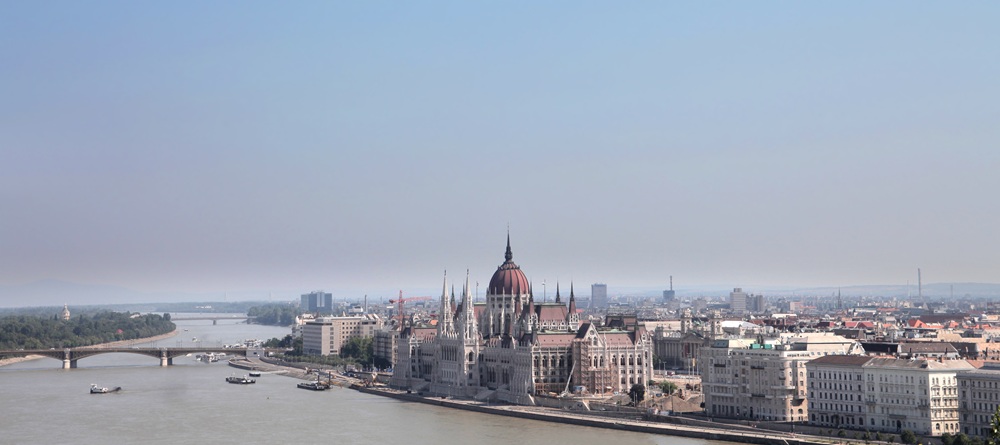
This nine-day itinerary elegantly fuses Budapest’s sumptuous architecture, legendary thermal baths, and storied coffeehouses with the painterly landscapes of the Danube Bend. Here, the city’s grandeur meets the romantic sweep of forested hills and meandering riverside villages, offering a journey that feels both opulent and unhurried. It’s a route designed for couples who cherish a thoughtfully-paced mix of history, wellness, culture, and culinary indulgence—complete with riverside strolls, castle climbs, art nouveau wonders, and meditative moments in healing waters.
This trip suits couples yearning for both urban vibrancy and tranquil countryside—a blend of world-class museums and vine-draped villages, lively markets and peaceful river vistas. There’s ample time for relaxation at legendary spas or sun-dappled parklands, making this journey ideal for those who prize quality over quantity and value lingering in grand cafés as much as exploring castles. It won’t suit high-energy sightseers intent on covering every attraction, nor those seeking nightlife-driven itineraries or hard-core hiking.
Best time to visit
The shoulder seasons of May–June and September–early October are perfect for this cultural escape, with mild temperatures (daytime highs typically 18–23°C), vibrant city life and turning leaves by the river. Budapest’s squares and terraces burst alive with concerts and al fresco café culture in late spring, while early autumn sees the Danube Bend’s hillsides golden from grape harvest and cooler mornings ideal for riverside walks. Summer (late June–August) can be quite warm and bustling, especially in central Budapest and popular towns like Szentendre. Winter brings a quieter, more atmospheric city with snow-dusted rooftops and lively Christmas markets, though some Danube Bend towns wind down—with reduced ferry services and early closures at countryside sights. The single best month window is late September to early October, when both the city and the Bend are aglow with autumn colour, festive markets, and ideal conditions for baths, strolling, and vineyard visits.
Getting there and around
Most travellers arrive via Budapest Ferenc Liszt International Airport, which is 30–40 minutes from the city centre by taxi, airport shuttle (100E bus), or public transport. The journey starts in Budapest, where a comprehensive network of trams (routes 4/6, 2), metros (especially M1 for cafés and M2 for Castle District), and buses covers nearly all city highlights; go for a multi-day Budapest Card or travelcard for unlimited rides and discounts to major sights.
The Danube Bend towns—Szentendre, Visegrád, and Esztergom—are easily accessed by regional trains from Nyugati (to Szentendre, 40 min) and by railway or local bus for Visegrád and Esztergom (up to 1.5 hours). A scenic boat ride operates seasonally (April–October) between Budapest and the Bend towns, making for a memorable approach by river, though timings are less flexible than rail. Within Budapest, walking is pleasurable in the central and riverside districts; bikes are also available via the MOL Bubi bike share scheme. For countryside exploration, frequent trains and buses connect the main Bend towns, but connections may thin after early evening—plan returns accordingly, especially outside summer. Car hire is not essential unless you wish to explore off-the-path wineries or rural spas.
Where to stay
- Belváros-Lipótváros (Budapest City Centre): Ideal for first-timers keen to be close to the Parliament, St. Stephen’s Basilica, riverside promenades, and the main cafés and boutiques. Walkable everywhere and central to public transport.
- Castle District (Buda): Suits couples seeking quiet, romantic streets, historic ambience, and ready access to Matthias Church and the Fisherman’s Bastion—slightly removed from the city bustle, with panoramic Danube views.
- Jewish Quarter (Erzsébetváros): Great for those wanting a vibrant neighbourhood with ruin bars, synagogues, cool cafés, and street art, plus easy access to the city’s best pastry shops and Pest nightlife—note it can be lively at night.
- Szentendre old town: For an authentic Danube Bend overnight, choose a heritage guesthouse near the cobbled centre with galleries and riverside walks on your doorstep—ideal after daytrippers leave.
Suggested day-by-day
- Days 1–4: Immerse in central Budapest: start with a walking tour of the Castle District (Buda Castle, Matthias Church, Fisherman’s Bastion), then cross the Chain Bridge to explore the Parliament area, Liberty Square and its cafés. Dedicate afternoons to the Széchenyi and Gellért Baths (book treatments in advance), plus a sunset Danube cruise for city vistas. Wander the Jewish Quarter for ruin bars, murals, and Dohány Street Synagogue, and linger at the New York Café or Gerbeaud for coffee and cake. Use trams or metro for easy access between districts; consider a Budapest Card for savings and unlimited travel.
- Day 5: Take the suburban HÉV train from Batthyány tér to Szentendre. Spend the day winding through its baroque streets, contemporary art galleries (such as Ferenczy Museum), and quirky museums (like the Marzipan Museum and Szabó Marzipan Workshop). Sample Lángos and local white wine at a riverside terrace. Overnight in Szentendre’s old town for atmospheric evenings once daytime tourists depart.
- Day 6: Morning bus or boat to Visegrád for the medieval citadel, Royal Palace ruins, and dramatic views of a sweeping Danube bend. Continue by bus or train to Esztergom—visit Hungary’s largest basilica with its panoramic dome climb and riverside park. Return to Budapest by evening train or bus (note late services can be infrequent, so check the return schedule).
- Days 7–9: Unwind: dedicate a morning to Margaret Island’s gardens, art nouveau water tower, and musical fountain; hire bikes or pedal-cars to explore leafy paths. Spend an afternoon in City Park (Heroes’ Square, Vajdahunyad Castle, and outdoor cafés), or browse Great Market Hall for paprika, honey and souvenirs. Fill final hours with museum hopping (Hungarian National Museum or Museum of Fine Arts), or a spa visit to Rudas Bath for a river-lit soak. Wind down with a farewell wine-tasting or dinner along the Danube Promenade.
Food and drink
Budapest’s food scene is rich and varied: begin at Central Market Hall for market-fresh langos, sausage, and pickles, or try lunchtime classics (goulash, chicken paprikash) at Belvárosi Disznótoros or self-service bistros in the city centre. Don’t miss coffee and cakes at New York Café or Gerbeaud, and sample chimney cake (kürtőskalács) from street vendors in the Jewish Quarter. Budapest has a burgeoning wine bar scene—head to Kadarka or DiVino for Hungarian wines, or Faust Wine Cellar under Buda Castle for a curated tasting. On the Danube Bend, seek out fresh river fish, creamy túrós csusza (curd cheese noodles) and Szentendre’s Serbian-influenced seafood at placid terrace restaurants. In Esztergom and Visegrád, riverside eateries offer local game, dumplings, and flaky pastries. For a splurge, book a table at Onyx or Costes in Budapest for Michelin-starred treats.
Budget
This trip is comfortably mid-range: Budapest’s main sights, thermal baths, and public transport are good value. Splurges include spa treatments, fine-dining dinners, and special experiences like river cruises or Parliament tours, which are worth booking ahead, especially in high season. Danube Bend towns offer affordable meals and enticing local wine, and heritage guesthouses in Szentendre are good value out of peak summer. Savings can be made by opting for travelcards, free museum days, and market lunches, leaving budget for the classic baths, a show at the Hungarian State Opera (standby tickets are often a bargain), or a sunset wine tasting by the river. Most admission fees are moderate, and short rail/bus transfers are wallet-friendly. Currency is the forint (HUF); cards are widely accepted but some small vendors prefer cash.
Practical tips
Pick up a Budapest City Card or travelcard on arrival for unlimited public transport, plus discounts at baths and museums. The HÉV suburban rail is easy for Szentendre—buy tickets at stations and validate before boarding. For other Bend towns, use MÁV (national railway) tickets, pre-booking online (or at Nyugati) in summer. Ferries along the Danube run April–October, best booked a few days ahead for scenic one-way travel. Consider carrying a small amount of local cash for rural bakeries, market stalls or countryside wine tastings that don’t accept cards. English is widely spoken in Budapest and most tourist stops; a few Hungarian greetings go a long way for warmth. Tipping is customary at ten percent (round up in cafés, bars, taxis). Bath visits: bring your own towel/slippers to avoid hefty rental fees, and arrive early or late for quieter sessions. Double check opening days for museums and countryside restaurants, especially out of season. Tap water is safe, and WiFi is widespread (public parks, most cafés, hotels), though rural signal can be patchy on short rail hops.