Overview
Andalusia, the storied heart of southern Spain, is a region where every winding street tells tales of Moorish splendor and every plaza rings with the pulse of flamenco. A 10-day road trip here is the perfect way to immerse yourself in its luminous, sun-washed landscapes and evolve with each city and whitewashed village. Rich Moorish history comes vividly alive in Seville’s ornate Alcázar, Córdoba’s ingenious Mezquita-Catedral, and the iconic, hilltop Alhambra of Granada. Countryside olive groves, sherry bodegas, lively tabancos, and a chain of white villages pepper the route—each a showcase for local food traditions, from slow lunches beneath jacarandas to shared tapas at marble-topped bars. This journey is all about lingering in markets, tasting olive oils and jamón, and absorbing the relaxed, communal rhythm that is Andalusia’s signature.
This route best suits couples or friends who travel for food and culture—those happy to wander at their own pace, ramble through villages, and savour long, lazy lunches with a glass of fino. Urban thrill-seekers may find the white villages quieter than they like, while children may get more from the coast than the historic towns. Activities skew toward heritage, food, markets, walks, and spontaneous dance and guitar. Go if you prize atmosphere, new flavours, and scenic drives over checklists.
Best time to visit
Andalusia offers distinctly different experiences through the seasons. Spring (late March to early June) is when the region unfurls its most beguiling self—orange blossoms perfume the air, patios are in full bloom, and major festivals (like Seville’s Feria de Abril and Cádiz’s Semana Santa) fill cities with parades and music. Autumn (September to early November) brings cooler weather, grape harvests in Jerez, and olive picking in the countryside, with luminous golden evenings and fewer tourists. Summer (July–August) sees the mercury soar above 40°C inland; cities empty, and locals head to the Atlantic coast or shaded hill towns, but the beaches around Cádiz stay breezy and festive. Winter is milder and peaceful but some village restaurants reduce hours.
The single best month window is April to early May: Seville is alive with Feria and orange blossom, daytime heat is gentle, patios are open in Córdoba, and crowds are manageable throughout the route.
Getting there and around
Seville (SVQ), Málaga (AGP), and Jerez (XRY) are the key airports with frequent flights from across Europe and some intercontinental connections. Madrid (MAD) is also feasible, especially for fast AVE train links to Córdoba and Seville. Your journey should begin in Seville, end in Cádiz or Jerez, and proceed as a loop or one-way road trip (hire car pick-up/drop-off from different cities is common).
A car is essential for exploring the pueblos blancos triangle (White Villages) such as Ronda, Zahara, Grazalema, and Arcos de la Frontera—public transport is sparse and infrequent between villages. Between major cities (Seville, Córdoba, Granada), you could use fast trains as an alternative, though having a car for the whole route adds flexibility, especially for rural stops and vineyard visits.
Route timings: Seville to Córdoba (1.5 hours), Córdoba to Granada (2.5 hours), Granada to Ronda (2.5 hours), Ronda through white villages to Jerez (2 hours), and Jerez to Cádiz (30–40 minutes). Allow extra time for scenic village detours and pausing at olive mills or market towns.
Where to stay
- Santa Cruz (Seville): Best for first-time visitors—close to the cathedral, Alcázar, and labyrinthine lanes buzzing with tapas bars and flamenco peñas.
- El Realejo (Granada): Atmospheric, central, and filled with characterful inns and quirky cafés. Good for easy access to the Alhambra and Albaicín.
- Juderia (Córdoba): Gorgeous narrow streets, flower-strewn patios, and traditional guesthouses—perfect for easy foot access to the Mezquita and Alcázar.
- Arcos de la Frontera: Among the white villages, this cliff-perched hub has plenty of rustic charm and is a great base for day trips deeper into the sierra.
- Old Town (Cádiz): Walkable to seafood markets, Moorish towers, and broad Atlantic beaches—ideal for a relaxing finale.
Suggested day-by-day
- Days 1–2: Seville – Start in the Santa Cruz district. Explore the grand Seville Cathedral and the Giralda tower, stroll the Real Alcázar’s tiling and gardens, and wander the riverside Triana quarter for traditional ceramic workshops, market stalls, and storied tapas bars. See an intimate flamenco performance at Casa de la Memoria or in a local peña. If timing aligns, soak up the Feria or Semana Santa processions. Park just outside the historic centre and explore on foot.
- Day 3: Córdoba – Drive across olive country to Córdoba. Tour the Mezquita-Catedral’s extraordinary arches, then lose yourself in the winding Juderia quarter. Visit the Alcázar de los Reyes Cristianos with its lush fountains and Moorish tiles, then duck into a typical local tavern for a bowl of cold salmorejo and flamenquín. Seek out the Calleja de las Flores for classic Córdoba vistas. Best to park at the edge of the old town and walk.
- Days 4–5: Granada – Head into the Sierra Nevada foothills. Tour the vast, fairytale Alhambra and Generalife gardens (tickets must be purchased online weeks in advance). Stroll Albaicín’s steep lanes, admire city views from the Mirador de San Nicolás, and unwind in an old Moorish bathhouse. The leafy Realejo district and Plaza Nueva offer atmospheric tapas spots—remember, your tapas plate comes free with a drink in Granada. If time allows, hike in the hills above Sacromonte or visit a flamenco cave.
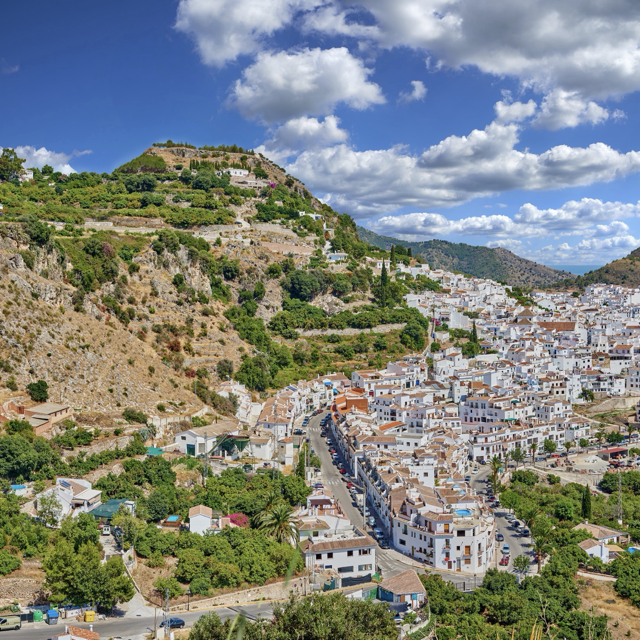
- Days 6–8: Ronda and the White Villages – Wind your way west toward Ronda. Gaze across El Tajo gorge from the famous Puente Nuevo bridge, tour the Plaza de Toros, and track local wineries on the outskirts. Spend the next days exploring Zahara de la Sierra (tower climb and olive oil tastings), Grazalema (best for hiking in wildflower-filled Sierra de Grazalema Natural Park), and Arcos de la Frontera (hilltop viewpoints and whitewashed streets). Each village has its own small bars for hearty country fare and local cheeses. Driving is scenic but routes are winding—take it slow and stop often.
- Days 9–10: Jerez de la Frontera and Cádiz – Arrive in Jerez and visit a working sherry bodega for an in-depth tasting of fino, manzanilla, and oloroso. If interested, book a morning session to see Andalusian equestrian traditions at the Real Escuela Andaluza del Arte Ecuestre. Pop into the city’s famous tabancos for late-night flamenco and jamón. On your final day, head 30 minutes west to Cádiz for a swim off Playa de la Caleta, a meander through the Mercado Central de Abastos, and a seafood lunch at a breezy beach chiringuito. Return your car in Cádiz or Jerez as fitting.
Food and drink
This route is a treat for culinary explorers. Begin with Seville’s fresh orange juice, churros at Bar El Comercio, and the caramelised, almond-topped ensaimadas that show up in local bakeries. Tapas is king here: in Seville, try espinacas con garbanzos (spinach and chickpeas), solomillo al whisky, and mojama (cured tuna). In Córdoba, salmorejo (a thicker, richer gazpacho) is iconic—order with jamón and a drizzle of local olive oil. Granada’s tapas bars overflow with inventive, complimentary small plates in Plaza de la Romanilla and Calle Navas. The pueblos blancos specialise in rustic cheese, payoyo, and peppery extra virgin olive oils (look for tastings near Zahara or near Olvera). In Jerez, seek out tabancos (rustic sherry bars)—Tabanco El Pasaje is a local favourite—and pair your fino with tapas of tortilla al whisky or chicharrones. Cádiz bursts with fried fish: taste the pescaíto frito platter or puntillitas (baby squid) at the Mercado Central, ideally with a glass of manzanilla from nearby Sanlúcar. Across Andalusia, look for lively covered markets—Mercado de la Encarnación (Seville), Mercado Victoria (Córdoba), and Mercado Central de Atarazanas (Málaga, if you pass through).
Budget
This itinerary suits a mid-range traveller who splurges selectively—think local guesthouses or small city hotels, most lunches out, and a few special meals. Food and drink are excellent value, especially away from tourist centres, with tapas and market lunches filling and affordable; sherry tastings and Alhambra tickets can be the main splurges worth booking ahead. Car hire and petrol are the major fixed costs—especially with a one-way drop-off. Rail is cost-effective for city-to-city hops, but the countryside needs a car. Taxis and public buses in city centres are inexpensive for short hops. Most museums and major sights are very reasonable compared to northern Europe, but top attractions (Alhambra, Alcázar) merit advance purchase and may have premium guided options. Dinner at a top chef-run restaurant or vineyard meal will be the big treat.
Practical tips
Hire your car with full insurance, GPS, and opt for a small model—village lanes can be tight. Use public transport or walk in major cities; consider picking up your car only when leaving Seville. Park at city edges and use local buses or trams (buy a rechargeable City Card in Seville or Granada for transit). Book tickets for the Alhambra, Alcázar, and Córdoba’s Mezquita weeks in advance to secure timed entries. Many rural guesthouses and market bars prefer cash, so keep euros handy. English is widely spoken in cities, but rural Andalusia responds warmly to a few Spanish pleasantries. Internet and 4G are reliable in towns; some villages have patchy coverage. Tipping is not expected but always appreciated at sit-down restaurants—round up or leave a euro or two. Watch for siesta hours (2–5pm), when many small shops and even bars close for a break. And always double-check opening days during local fiestas or national holidays—festivals can fill accommodation and book out restaurants quickly, so planning ahead for these is essential.