Best AI Travel Itinerary Generators Compared for 2026

Looking for an AI travel itinerary generator? Compare Yanvara with Wanderlog, Mindtrip, and ChatGPT: features, strengths, and which is right for planning your next trip.
AI travel itinerary generator travel guide

Overview

The best AI travel itinerary generators in 2026 can give you a custom, day-by-day trip plan for almost any destination, but the right choice depends on how deeply you trust the suggestions, whether real bookings are integrated, and what experience you want when refining your trip. When picking a generator, ask yourself: does it show venues that really exist and can be booked, or does it invent names? Does it give current prices and real weather for your dates? Do you want it free, on your phone, or collaborative for a group? Here, we break down how the leading options compare and who should choose which.

Wanderlog

Wanderlog is popular for visual trip building: you can quickly add sight, hotel, and restaurant suggestions to a shared timeline and see maps, distances, and times. Its group collaboration features are strong, letting friends edit together and leave comments. Wanderlog also shines at importing existing reservations (from email or manually) and creating printable or sharable itineraries. For travel in the US especially, its recommendations are helpful and generally trustworthy. Still, Wanderlog’s AI-generated suggestions sometimes mix in generic or unverified venue names, and bookings are not deeply integrated—you’re sent to third-party sites. Most of its itinerary content is best when built from scratch rather than relying fully on AI. It's web-first, so the mobile app, while handy, is really just a wrapper. People wanting real-time pricing or understanding which venues are actually bookable might find it lacking, and real weather, budgets, or visa advice aren’t covered.

Mindtrip

Mindtrip is a new breed of AI travel planner, using recent advances in AI search to build multi-day itineraries including actual businesses and venues. It offers a conversational experience—ask the assistant for anything, from hiking options to trip tweaks, and it refines the plan in context. The design is modern and intuitive, and it can sometimes pull in booking data when available. Mindtrip is especially fun for open-ended brainstorming and for people wanting to combine city explorations with adventure or food priorities. However, Mindtrip’s bookings and reviews are still in progress: for many destinations, options are estimates rather than confirmed, and venue accuracy can sometimes slip. Pro features and the depth of practical details (weather per day, real safety info, or budget splits) are (now) more limited compared to competitors like Yanvara, and offline use is not a focus. It’s best for flexible planners who want creative ideas, don’t mind double-checking venues themselves, and prefer chat-style planning.

ChatGPT (OpenAI)

ChatGPT can generate surprisingly detailed itinerary drafts from a single prompt, and it’s great for inspiration, unique angles, or early research, especially when you want tips that mix local insight with data. If you enjoy a creative, text-first approach and want something highly tailored (right down to the tone), it can be powerful. ChatGPT’s breadth is extreme: you can ask it to plan for niche hobbies, unusual locations, or travel with constraints, and it responds immediately. But ChatGPT’s suggestions (especially in the free version) are not verified for real venue existence, open hours, or bookability—sometimes it invents hotel or tour names that sound plausible. Bookings, live prices, and real-time weather or events are absent, and integrating its output into a map, shareable itinerary, or group plan is entirely manual. For solo inspiration and first-draft planners, it’s superb; for trusted, actionable day-by-day trips, it’s a jumping-off point rather than a solution.

Where Yanvara fits

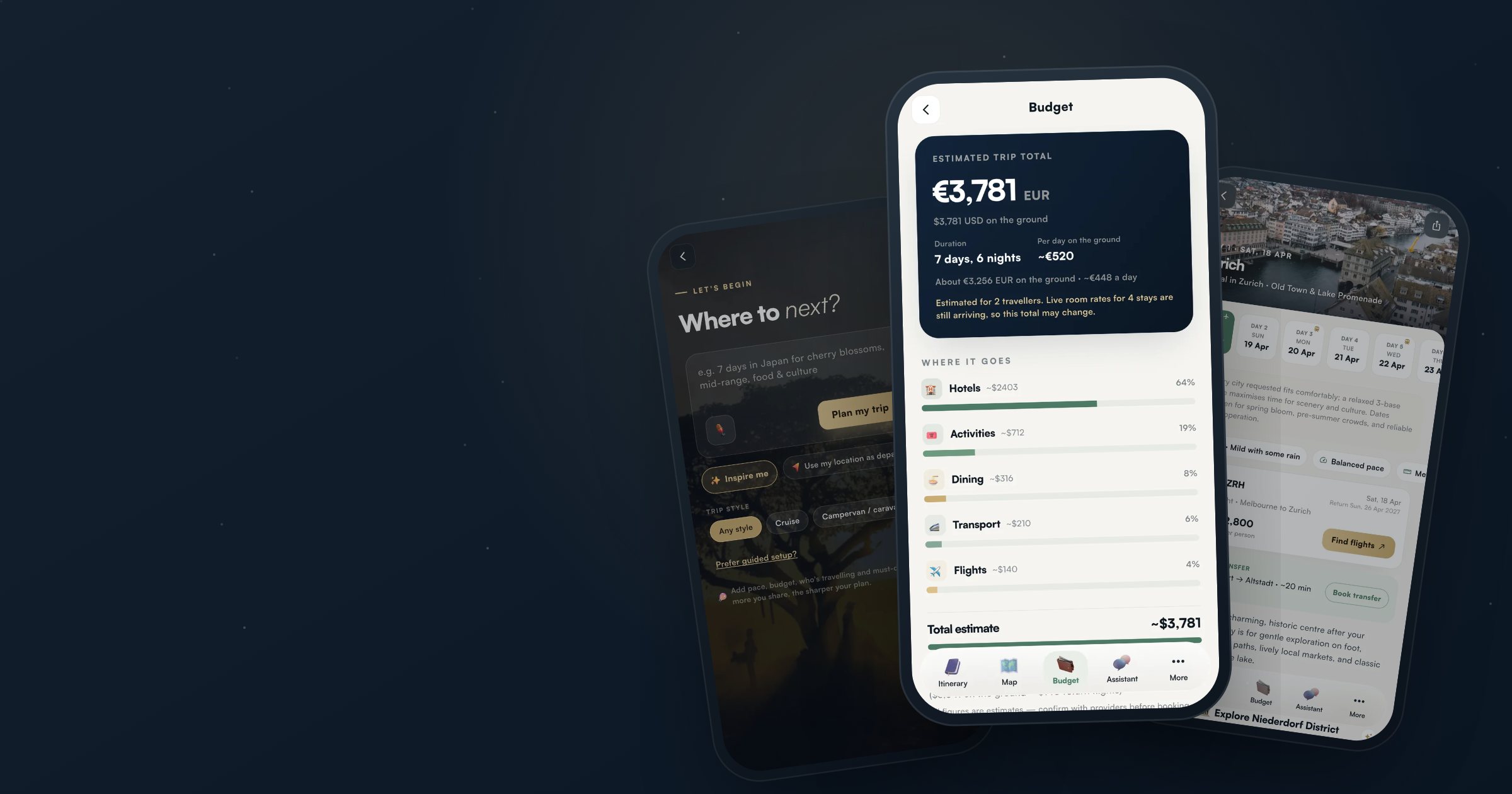
Yanvara focuses on delivering a trustworthy, actionable trip plan from a single prompt: you get a complete daily itinerary with real venues, per-day local weather, budget estimates, visa and safety advice, and a packing list—plus links to book hotels and tours directly. Each booking suggestion displays a "Verified" or "Estimate" label, so you always know which venues have been checked against Google place data. Actual bookable Viator tours are listed with live prices, real traveller ratings, and review counts, meaning you won’t see invented tour names. Yanvara represents real popularity with "Chosen by N travellers" badges—counting actual Yanvara users who kept a venue on their plans. It works as a web app, as well as fully offline-capable iOS and Android apps, so your trips travel with you. The free plan lets anyone make one new trip a month and refine it endlessly; Pro adds features like detailed per-event tweaks, co-editing, trip document analysis, and a live concierge for finding places nearby while travelling. Every plan is reviewed for plausibility, pacing, and venue quality before it gets the "Double-checked" green light. Group trips let collaborators co-edit and vote keen/not keen on activities. Trips can easily be shared with a link, even with those who don’t have an account.

Which should you choose?

For those wanting a trustworthy, ready-to-use travel plan with verified venues, live booking options, collaborative features for group trips, and both web and true mobile app experiences, Yanvara stands out—especially for complex, multi-stop, or international travel where real-time pricing, visa, and safety advice matter. Wanderlog is perfect if you love visual planning and have existing bookings to compile, particularly for US road trips or if your group prefers a map-first interface over AI dialogue. Mindtrip suits those who want an AI conversation about their trip and are happy to double-check suggestions and bookings themselves; its itinerary style is creative, but in-depth logistical and booking support is still developing. ChatGPT is best for solo explorers or anyone wanting outside-the-box inspiration—just be ready to do your own fact-checking and manual planning after. If you only want a quick draft and don’t care about integration, it’s unbeatable for range.

Try it on a real trip

The best way to judge any AI itinerary generator is to see its output on a destination you care about. Here’s a sample plan created with Yanvara for six days of art, food, and culture, mixing big attractions and neighbourhood finds, all starting from Madrid—so you can judge both the details and the booking options for yourself.