Overview
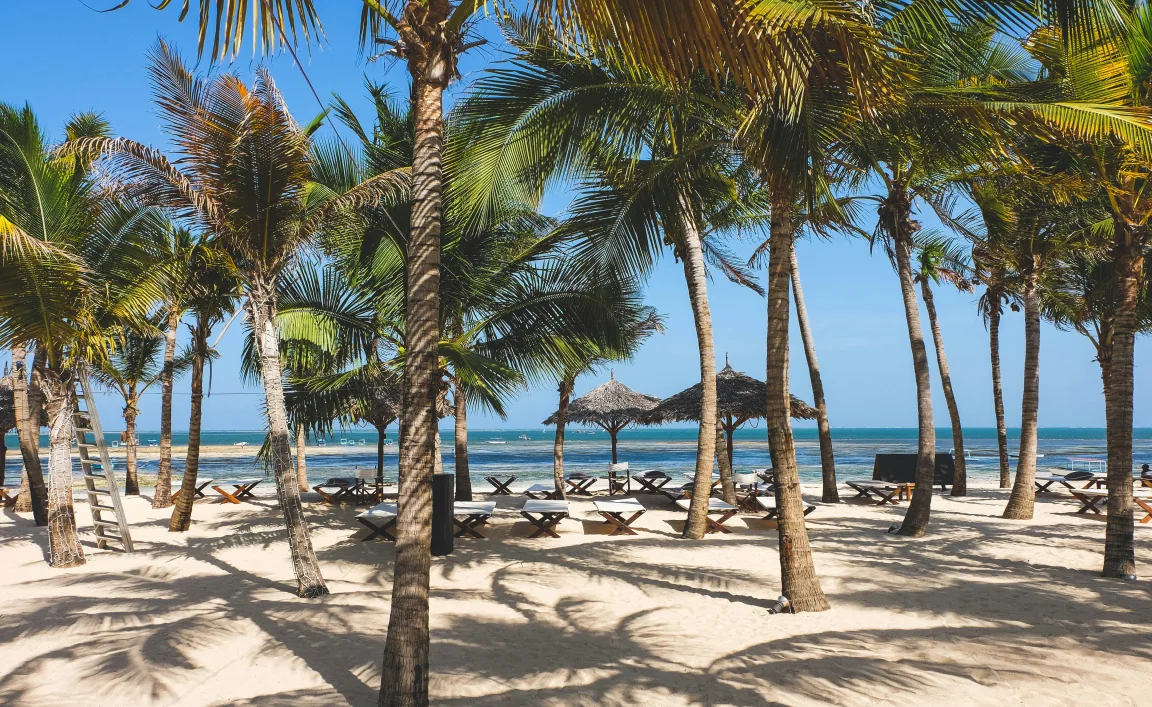
Spending 5 days in Malindi, Kenya offers a seamless blend of vivid Swahili culture, ancient history, and Indian Ocean relaxation, making it ideal for travellers seeking a mix of exploration and unhurried beach time. Step into a coastal town where Portuguese, Arab, and African legacies converge, beaches remain uncrowded, and excursions to marine reserves, ruins, and artisan villages are within easy reach. This itinerary suits those curious about both history and marine life, as well as visitors keen on low-key luxury or vibrant local life at a slower pace. It’s less suited to those craving big-city nightlife, ultra-remote escapes, or the built-up resort bustle of some global beach destinations—Malindi’s charm lies in its breezy authenticity and a pleasantly unhurried rhythm.
The following plan combines Malindi’s essential highlights with well-paced day trips, relaxed afternoons on white sands, and ample time to enjoy local cuisine and crafts. It suits singles, couples, or families with older children interested in adventure and variety. Wheelchair accessibility may be limited in some heritage areas, and those uninterested in cultural sites could feel the itinerary leans too heavily on history in the early days.
Best time to visit
Malindi is at its most inviting during the dry seasons: July to October and January to March offer reliably sunny skies and balmy Indian Ocean breezes, with temperatures ranging from 25°C to 32°C. These periods avoid the heaviest rainfall (April–June and November), when some activities may be curtailed and beaches less appealing. The town’s mood is generally tranquil, but peaks during the Christmas/New Year and Easter periods, when Nairobians and Italians flock in for holidays—expect a subtle uptick in activity but rarely true crowds. The best window for a five-day Malindi stay is late September to mid-October: humidity is manageable, the sea is perfectly clear for snorkelling and diving, and there’s a laid-back post-safari vibe before seasonal festivities kick in.
Getting there and around
Arrivals typically touchdown at Malindi Airport, a small hub 10 minutes from the town centre, served by daily flights from Nairobi and seasonal scheduled services from Mombasa. For international arrivals, Mombasa’s Moi International Airport (a two-hour coastal drive south) offers broader connections. Once in Malindi, the town itself is compact and best explored on foot or by tuk-tuk; these open, three-wheeled taxis are affordable and easy to flag down for short hops between beaches, museums and eateries. For day trips to Watamu, Gedi or Marafa, hiring a reliable local driver or arranging a private tour is the most comfortable option—expect 30 to 90 minutes each way. Self-driving is possible but can be daunting due to signage, road conditions and wildlife crossings; in-town, parking is often informal.
Where to stay
- Silversands: This beachfront neighbourhood offers a mix of chic boutique hotels and family-friendly resorts, ideal for those seeking good swimming, direct beach access and relaxed evening strolls.
- Casuarina: Dotted with upmarket villas and quieter lodges, it suits couples and groups looking for a little more seclusion, especially if you plan leisurely days by the Indian Ocean or want easy access to nearby marine parks.
- Town Centre: For those eager to soak up daily Swahili life—markets, artisan shops, and night cafes—staying in the heart of Malindi brings walkable access to cultural sites and street food, though you’ll be a tuk-tuk ride from the broadest beaches.
- Watamu (for one night): Consider a night in this neighbouring village if you want more time in marine conservation areas or a taste of a smaller, eco-conscious coastal scene.
Suggested day-by-day
- Day 1: Arrive and settle into your hotel. Stroll Malindi’s old town: discover the Vasco da Gama Pillar, pop into the Portuguese Chapel, browse the Malindi Museum, and sample fresh Swahili seafood at a beachside eatery. Use the evening for an easy beach walk along Silversands.
- Day 2: Take a guided tour of the Gedi Ruins (45 minutes by car)—a hauntingly beautiful, centuries-old Swahili-Arab settlement set within tangled forest. En route back, stop in Watamu for an afternoon at Watamu Marine National Park with snorkelling or a glass-bottom boat trip. Consider dining in Watamu, or return to Malindi for sunset cocktails at Casuarina Road’s beach bars.
- Day 3: Spend the morning at the Malindi Marine National Park—dive, snorkel, or simply relax on powdery sand at Silversands Beach. In the afternoon, explore the Arabuko Sokoke Forest Reserve (Kenya’s largest coastal forest) for birdwatching or a guided nature walk. Savour Italian-Kenyan fusion dinner options that reflect Malindi’s unique past.
- Day 4: Devote this day to the Marafa Depression (Hell’s Kitchen), about 1.5 hours’ drive inland—timing your visit for sunset to watch the ochre canyons glow. On the return, drop by the Mambrui Dunes for a quick detour if time and energy allow. Dine on traditional grilled fish back in Malindi.
- Day 5: Enjoy a relaxed morning: visit the local Malindi Market for textiles and crafts, or take an optional dolphin-spotting dhow cruise from the jetty. Spend your last afternoon unwinding at your choice of beach, rounding off with a farewell treat at a historic café or beachfront bar before departure.
Budget
Malindi is accessible to a range of budgets, with daily costs that are generally mid-range by East African standards. Street eats and local joints are excellent value, while boutique hotels, diving excursions, and guided day trips represent the main splurges. Tuk-tuks and local drivers are affordable for most, with private car hires or tailored tours costing more but providing comfort and safety for longer day trips. Marine park and historic site entry fees are modest but ought to be pre-booked in high season, particularly snorkelling trips or forest tours. Pre-pay accommodation and secure transfer arrangements if visiting during December or Easter, when demand can outstrip supply at popular resorts.
Practical tips
English and Swahili are widely spoken, but a few Kenyan shillings in hand make for smoother market haggling and tuk-tuk rides. Buy a local SIM for steady data—Airtel and Safaricom both have strong, reliable coverage in town and along the beach. Dress codes are relaxed but modest clothing is appreciated in town and at religious sites; beachwear is best kept for the shoreline. Security is generally good, particularly in tourist areas, but it’s wise to avoid poorly lit, deserted corners late at night and keep valuables secured in your lodge. For sightseeing and boat trips, always check the state of the tides and weather with a local guide. Book marine park entries, guides, and reputable taxis in advance, particularly over holidays—last-minute arrangements can cost extra or risk sold-out tours.