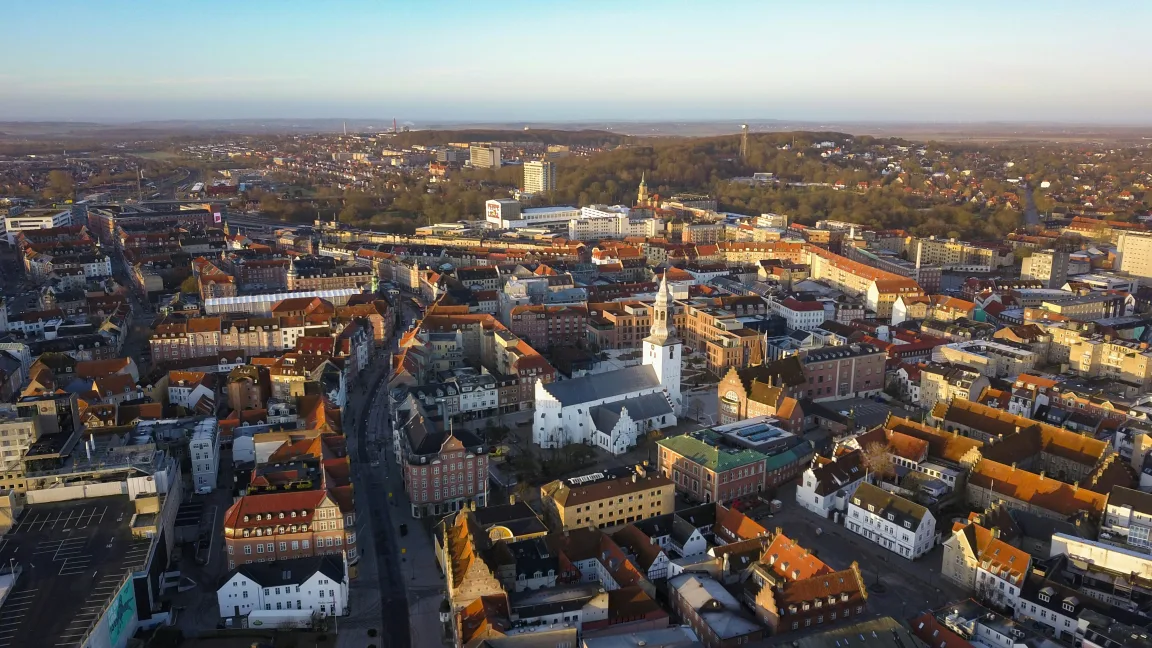
Overview
Three days in Aalborg, Denmark is the ideal length to experience the city’s mix of Viking heritage, modern design, and waterfront rebirth, making it perfect for curious travellers seeking an approachable slice of Danish life without the tourist crowds of Copenhagen. Aalborg delights with walkable historic streets, innovative art, lively waterfronts, and some of Scandinavia’s best up-and-coming food scenes. This break suits first-timers, city explorer couples, and families who enjoy a varied pace, mingling cultural visits with breezy harbour strolls and quirky neighbourhood finds. It’s less suited for those craving a wilderness escape or big-city nightlife—Aalborg feels friendly rather than frenzied.
This itinerary packs all the essential experiences into three rewarding days, balancing Viking and medieval roots with world-class street art, thriving microbrews, and moments of true hygge. While Aalborg is compact and easy to navigate, it rewards those who enjoy exploring on foot, by bike, or via scenic riverside trams. For longer journeys into the Danish countryside, three days might feel too brief, but for soaking up one of Scandinavia’s most underrated city gems, it’s just right.
Best time to visit
Aalborg’s compact centre and riverfront shine brightest from late spring through early autumn. May to September boasts temperate days where cafés spill onto pavements and festivals fill the parks—expect average highs of 16–22°C and long golden evenings. Summer brings more tourists but rarely overwhelming crowds. Winters are atmospheric but quiet, with crisp air and twinkling lights, while January–March can feel subdued as locals hunker down. For this itinerary, the single best month window is late May to June—days are long, the city buzzes with open-air concerts and SmukFest, and flowers line the Kildeparken gardens.
Getting there and around
Most visitors arrive at Aalborg Airport (AAL), 15 minutes by taxi or the 71/12 city bus from the centre. International flights often connect via Copenhagen or Amsterdam. Aalborg station lies on Denmark’s efficient rail network, with direct trains from Aarhus (1 hr 30 mins) and Copenhagen (4–5 hrs). Once in the city, everything central is reachable on foot; local buses, city bikes, and e-scooters cover further-flung sights or the waterfront, and the Limfjorden bridge connects both banks. From the airport, expect a smooth, fuss-free transfer to your hotel. No car is needed for city exploration.
Where to stay
- Midtbyen (City Centre): Best for first-timers, place yourself amidst old streets, modern shops and easy access to both sights and riverside paths.
- Vestbyen: Just west of the centre, this local-favourite area has independent cafés and a more residential, creative vibe—ideal for foodies and those seeking quieter evenings.
- Østre Havn: Aalborg's regenerated harbour district suits design lovers and night owls drawn to new architecture, waterside bars, and music venues, with sunsets over the Limfjord.
- Hasseris: Leafier and a little further out, Hasseris works for families or runners—offering local parks, larger apartments, and calm after busy days.
Suggested day-by-day
- Day 1: Explore the historic heart around Algade and Nytorv, pausing at Budolfi Cathedral, the atmospheric Jens Bang's House, and the Utzon Center for Danish architecture. Afternoon street-art stroll in the Aalborg Street Art District, plus early evening drinks along Jomfru Ane Gade—famed for bars, live music, and people-watching. Easy walking circuit.
- Day 2: Morning at Lindholm Høje, Denmark’s finest Viking burial site and museum, set on a windswept hill just across the fjord (tram or bike, 20 mins each way). Return via the Musikkens Hus concert hall and waterfront promenade, perhaps lunching at one of Østre Havn’s quirky harbourside cafés. Afternoon in Kildeparken, spotting statues and summer events, then catch sunset from the rooftop at Salling Rooftop or a riverside spot.
- Day 3: Head to Aalborg Zoo for a well-curated wildlife experience (bus 11, 10 mins), then discover Kunsten Museum of Modern Art—Aalborg’s architectural and artistic highlight (bus 11 or walk, 20 mins from centre). Browse boutiques on Bispensgade before sampling the day’s best smørrebrød at a local deli. If time allows, round off at Springeren Maritime Experience Centre before departure.
Budget
Aalborg delivers a classic Danish city break with relatively moderate costs. Local bakeries, food halls and bars are affordable for Scandinavia, while splurges include tasting menus at harbourfront restaurants or tickets for premium museums and concerts. Art sites and Viking heritage are exceptional value, and many parks and public art walks are free. Accommodation and car hire are pricier in high summer—book well ahead for Midsummer weekends or major festivals. Pre-book zoo or concert tickets if visiting in peak months, and reserve top dinner spots early for the best chance of a harbourside table.
Practical tips
Get a Rejsekort for local transport savings and effortless bus/tram travel, or make the most of Aalborg’s city bike network for scenic exploring. Free public Wi-Fi is strong across most restaurants and museums, while English is widely spoken and staff are cheerful. Book your Lindholm Høje or Kunsten Museum tickets in advance for timed entry. Tap water is excellent; tipping is appreciated but not expected. Evenings can be chilly, even in summer, so layer up for harbour strolls. If you plan to visit multiple museums, ask about combination tickets—great savings for focused visitors. Finally, avoid the booking pitfall of assuming you’ll need a car; city transport and walkability are best for this route.