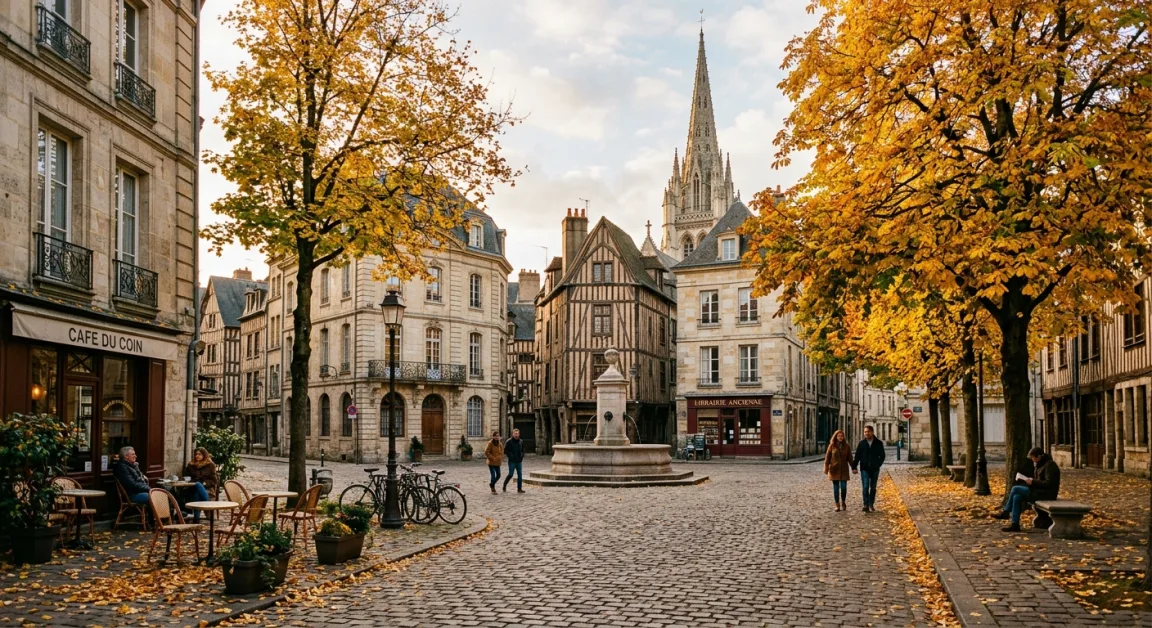
Shoulder season is the savvy traveller’s secret for quieter experiences and better value—but only if you plan for the quirks that come when crowds (and peak services) thin out. Here’s how to pick, plan and actually enjoy your off-peak adventure without the usual ‘closed’ signs or logistical hiccups.
What Is Shoulder Season and Why It Matters?
Shoulder season refers to the periods just before or after peak tourist season—like April-May or September-October in Europe—when you’ll see fewer tourists, lower prices, and a more local pace, but with some trade-offs in weather, events and open hours. It matters because timing your trip here can mean a richer, less hectic experience—if you adjust your planning.
Peak summer or winter holidays make famous spots teeming and pricey, while deep off-season can be bleak. Shoulder season sits in the sweet spot: mild weather but no circus crowds. For instance, consider Portugal in late September or the Greek islands in May, when the water’s warm but families and package tours haven’t yet descended. This window often overlaps with festivals, harvests, or cultural events that are less ‘staged’ for tourists.
But don’t just pick a month—research the exact timing. One week before or after school holidays can make a difference of thousands on flights or hotels, and what’s ‘shoulder’ in one country could be low or even high in another.
In short: shoulder season is brilliant if you’re flexible—but it pays to check local timings and opening calendars, not just rely on generic guides.
The single biggest shoulder season mistake is assuming everything open in July will also be open in May or October—research saves disappointment.
How to Pick Your Ideal Shoulder Destination
To pick the right destination for shoulder season, match your “must-haves” (weather, festivals, food experiences) with the realities on the ground—balancing value, local life, and available amenities. Research specific locales, not just countries; conditions and options can vary dramatically between regions.
Look for places where off-peak doesn’t mean ‘dead’—cities with large local populations (like Lisbon, Marrakech or Reykjavik), or regions with year-round appeal (local thermal baths, hiking, or food scenes continue even if beach clubs close). Cross-reference your shortlist with key event calendars or weather averages before booking, and use recent reviews to spot seasonal quirks—like ferry routes in the Greek islands ending before mid-October, or Iceland’s highlands closing with the first snows. Our Iceland travel guide and Portugal travel guide can help pin down the best timing.
It’s smarter to plan shoulder season for hybrid-style trips: combine major cities—where museums and dining are open year-round—with short hops to rural or beach regions. This gives you flexibility if one part of your plan is hit by early closures or bad weather.
On a shoulder trip to Morocco, a traveller split time between Marrakech’s lively medina and a quieter Atlas village. Some remote riads had closed, but city life was in full swing—balancing both gave them the mix of tranquillity and activity that’s unique to late April and early October.
Strategies for Shoulder Season Success
The key to a great shoulder season trip is flexibility: pre-book must-dos that operate on limited hours or sell out, but keep days loose in case weather or opening hours shift at short notice. Always have a plan B for top sights and transport.
Shoulder season often means fewer shuttle buses, reduced ferry routes, or some mountain roads closed—so double-check schedules a week before you go. Contacts at your hotel, guesthouse, or AirBnB can be invaluable, as locals know what’s running and what’s “just for the brochure.”
Pack for all seasons: microclimates can turn a spring trip to the Azores from sun to showers within hours, and an autumn city break in Berlin can swing from T-shirt weather to coat-and-hat cold. This is where a cubed-packing system and waterproof layers pay off.
Consider keeping a few flexible nights, booking just your city base and adding on rural excursions once you have an accurate weather read. And look for deals: the Yanvara travel deals and offers page often features shoulder-season hotel and flight discounts that aren’t available in midsummer.
What to Watch Out For: Pitfalls and Realities
The most common shoulder season pitfalls are closed restaurants, limited transport, and unpredictable weather—seriously, don’t ignore the forecast or you might miss a must-see spot entirely. Avoid remote resorts unless you’ve vetted their year-round status.
Dining can be hit-and-miss: buzzier spots might be weekends-only or close early in the evening. Have a backup list of local favourites, and check for market or food festival dates. Tech helps—use Google Maps “popular times” data and recent reviews for up-to-date info.
Insurance is more important: fewer services mean a delayed bus or flight could leave you stranded. Triple-check cancellation/refund policies, especially for local tours and pre-paid excursions.
A little flexibility and a willingness to adapt are the most valuable things you can pack. Seasoned travellers know the best discoveries often happen when you’re forced to change plans.
Tools and Tricks for Smarter Shoulder Season Planning
AI travel planners like Yanvara are particularly powerful for shoulder trips: they pull in live venue hours, seasonal weather, and map best-matched itineraries automatically—surfacing venues that are really open and routing you around closures or weather disruptions. Drafting a trip with an AI lets you spot friction points early and build realistic, weather-aware alternatives alongside your main plan. See how it works with our how Yanvara works guide.
Layer in local event calendars (check city tourism boards and community listings), interactive weather tools, and real-time public transport apps. Keep an eye on last-minute flight and hotel deals—shoulder months are rich with value for the flexible.
For those who prefer inspiration from others, browse community trips on Explore for shoulder-tested itineraries and live feedback from recent travellers.