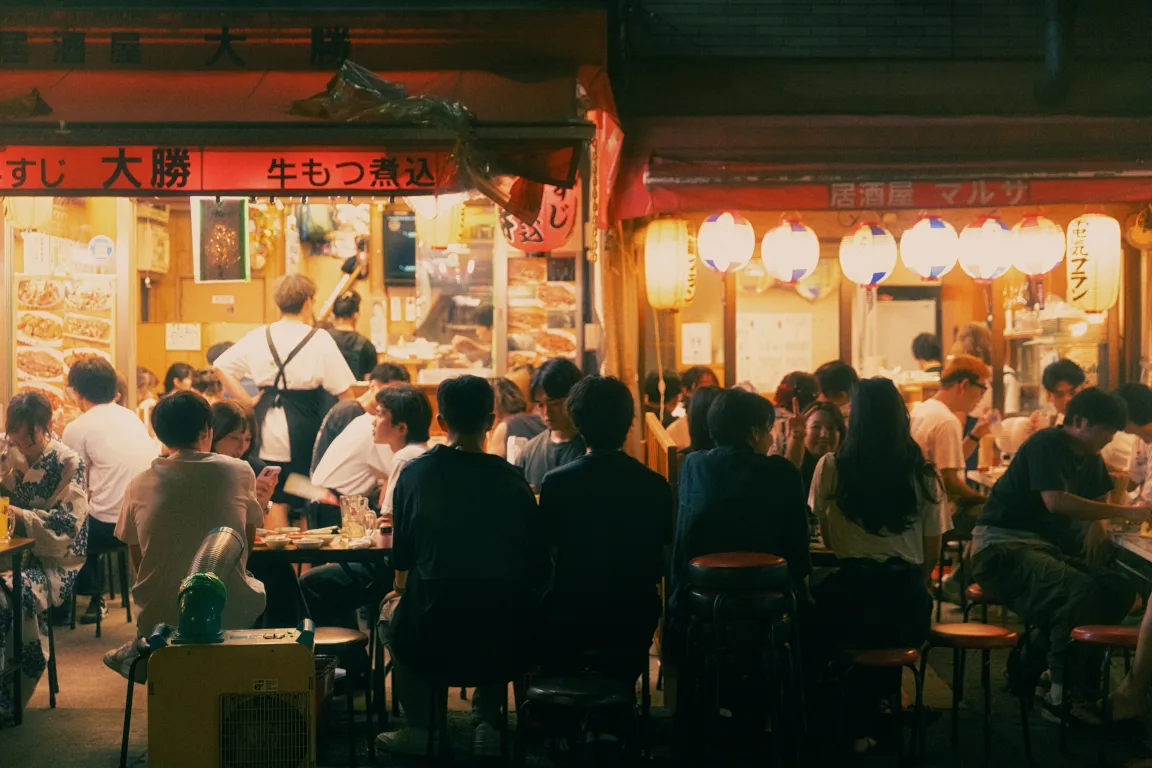
Every traveller dreams of that transcendent, real meal—one that locals line up for but guidebooks barely mention. Finding it is part luck, part skill and, with a little planning, never just chance.
Why authentic local food matters
Authentic local food unlocks culture in a way sightseeing can’t. Stepping into a family-run bistro or bustling market lets you experience place, people and pride through flavour. Yet most travellers end up defaulting to safe picks near hotels or tourist squares—missing both savings and unforgettable taste.
Genuine local dining is usually better value, offers richer flavour and contributes directly to the community. In Hanoi, a bowl of pho eaten street-side reveals more about daily life than any global chain restaurant. The goal: meals that excite and connect, not just fill.
The most memorable meals often happen in hidden corners that require a walk, a tip-off, or even a Google Translate scan of the menu. Start with curiosity and a willingness to step out of signposted zones.
Where do locals eat: clues and strategies
To eat like a local, look where city residents gather at peak times. Avoid restaurants with multilingual menus and persuasive touts near major sights—these usually cater to passing tourists. Instead, follow the local lunch rush or dinner queues, even if it means a wait or sitting elbow-to-elbow with strangers.
Small bakeries, street carts and unassuming market stalls often serve up regional treasures at a fraction the cost of sit-down restaurants. In Naples, the best pizza isn’t found at Instagram-famous spots but in corner pizzerias with decades of loyal neighbourhood trade. Use location-based apps (Google Maps, Foursquare, or local food blogs) but focus on recent reviews from local-language users, not just international visitors.
You’ll often find authentic food just outside the tourist core—walk ten minutes from any landmark and the dining landscape changes completely.
Marketplaces and street food
Local markets and street food are frontline experiences for real flavours. Start your hunt in bustling produce markets, covered food halls or night markets. Watch for busy vendors with short, focused menus—these are usually signs of specialisation and freshness. Street food can look intimidating, but high turnover means ingredients don’t have time to sit.
If you’re unsure, observe what others are ordering and don’t be afraid to point, gesture, or politely ask. Join a market food tour—often led by food-loving locals—for orientation and insider access to the most trusted stalls. Some city guides (see our Hualien, Taiwan travel guide) include mapped markets with recommended dishes for nervous first-timers.
Savouring pad Thai at Thip Samai in Bangkok’s old city, where three generations of locals mix with in-the-know travellers, you’ll see the same orders churned out at speed, one wok at a time—an experience world’s apart from glossy restaurant chains in neighbouring districts.
Asking for recommendations (and when to trust them)
Authentic food recs hinge as much on who you ask as where you are. Hotel concierges often default to safe, international options. Taxi drivers, while local, may favour businesses that offer commissions to guides. The best tips come from young professionals, market vendors, or active online communities.
Platforms like Reddit, Facebook groups, or niche food forums provide candid, up-to-date input from residents. Search threads for “where would you eat if you had one day in [city]?”—then cross-check top answers for consensus and recent reviews. Trust recs that skip big brand names and offer specifics: dish, time and why it’s special.
A real local food find is specific—someone tells you to go to a particular street at lunch for a single dish, not just “try our local cuisine.”
Tools and planning smarts
Today’s tools make discovering authentic restaurants easier than ever—if used wisely. Use translation apps like Google Translate for menus or ordering. Scour Google Maps for places with high ratings from local-language reviewers. For quickly comparing recommendation quality, note the volume and detail of recent, text-based reviews over influencer photos.
Pre-plan must-try meals by bookmarking 2–3 places per base city in your itinerary—Yanvara can embed realistic meal windows, map spots, and suggest where you’ll be at peak mealtime based on your day plan. For value and promo options, check travel deals and offers—these sometimes include food passes or local tastings.
| App/Tool | Strength | Weakness |
|---|---|---|
| Google Maps | Volume of reviews, easy nav | Tourist bias in key areas |
| TripAdvisor | English review depth | Often overrun by tourist picks |
| Facebook Groups | Local insight, up-to-date tips | Requires active searching |
| Foursquare | Veteran foodies, less spam | Patchy coverage in smaller cities |
Planning your trip around food
Building food experiences into your itinerary ensures you don’t miss local highlights or end up defaulting to mediocrity. Secure bookings for signature meals—like a slow-food osteria in Rome or the top sushi count-plate in Tokyo—weeks ahead for popular spots. Allow flexibility to follow your nose or join spontaneous street feasts.
If you’re planning a foodie trip across multiple cities, consider using how Yanvara works to sequence must-eats with sightseeing, local weather and realistic timeframes. This keeps you from cramming too much into a single day while leaving space for those delightful, unplanned discoveries.