Southeast Asia remains one of the best-value travel regions on earth — and $1,500 for 30 days is not only realistic, it leaves room to do it well.
This isn't a budget that means suffering through bad guesthouses and skipping experiences. In Thailand, Vietnam, Cambodia and Indonesia, $50 a day covers a private room in a clean guesthouse, two to three good meals, local transport and daily activities — with money left over.
The decisions that determine whether you stay within budget have less to do with willpower and more to do with planning the right route from the start.
Is $1,500 for 30 days realistic?
Yes — and comfortably so in most of Southeast Asia in 2024. The ceiling rises for Bali villa accommodation and dips further for Cambodia and rural Vietnam, but across the region $50/day is a genuine mid-range budget, not a backpacker minimum.
International flights are the one cost to budget separately. Within the region, movement between countries by bus, train or budget airline is cheap enough to absorb into daily spend. The $1,500 figure covers everything on the ground — accommodation, food, transport, activities and visa costs — across 30 days.
The biggest budget mistake in Southeast Asia isn't overspending on experiences — it's paying Western prices for accommodation when genuinely excellent local options exist at a fraction of the cost.
Country-by-country daily costs
Costs vary meaningfully between countries and between regions within the same country. These are realistic mid-range daily budgets for independent travellers in 2024.
- Thailand: USD 35–55/day in Chiang Mai, USD 55–80/day in Bangkok and on the islands. Island accommodation is the biggest variable.
- Vietnam: USD 30–50/day throughout most of the country. Exceptionally good value — one of the cheapest destinations in the region for quality-to-price ratio.
- Cambodia: USD 25–40/day. Exceptionally good value, particularly outside Siem Reap's tourist corridor.
- Indonesia (Bali): USD 40–70/day — villas with private pools are often cheaper than equivalent hotels, which skews the average upward.
- Philippines: USD 35–55/day, rising significantly on popular islands like Palawan and Siargao during peak season.
Where to save and where to spend
Budget travel in Southeast Asia isn't about cutting everything — it's about knowing which costs are worth optimising and which ones are worth spending properly on.
Street food in Southeast Asia is almost always better than restaurant food at the same price point — this isn't a compromise, it's an upgrade. Overnight buses and trains eliminate a night's accommodation cost while covering distance. Both are genuine budget wins that also improve the trip.
The Ha Long Bay overnight cruise is the one place in Southeast Asia where spending more is consistently worth it. The difference between a budget and mid-range boat is significant in both comfort and experience — budget USD 100–150 minimum for a two-day cruise.
Budget route suggestions
Route choice is the single biggest lever on a Southeast Asia budget. Moving efficiently between destinations — overland where practical, flights only where the time saving justifies the cost — keeps transport spend low and daily immersion high.
A classic 30-day overland route that works well within budget:
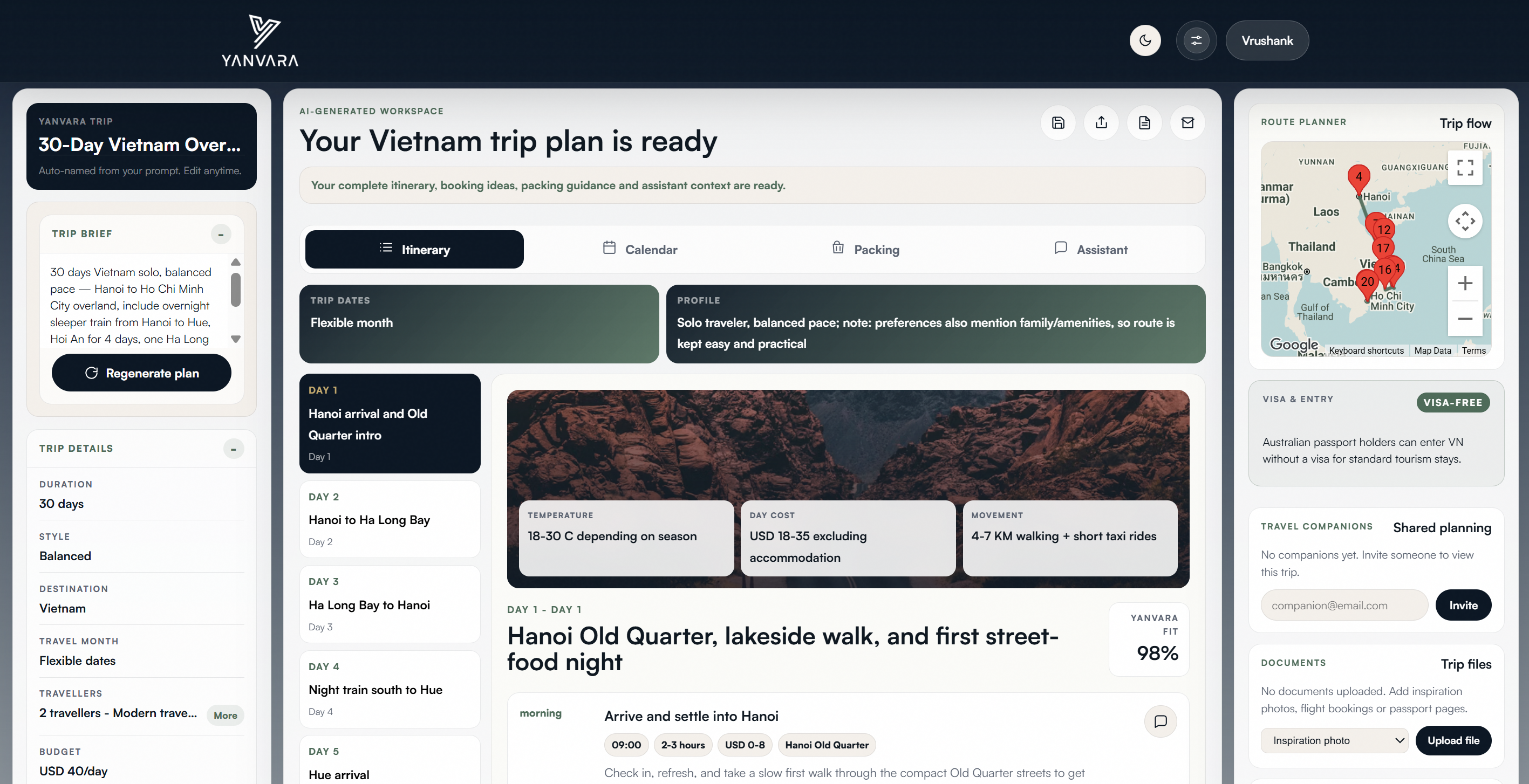
- Bangkok (3 days) → Chiang Mai (5 days) → Luang Prabang (4 days) → Hanoi (3 days) → Ha Long Bay (2 days) → Hoi An (5 days) → Ho Chi Minh City (4 days) → Phnom Penh (4 days)
All overland or overnight bus and train throughout. Total transport budget for this route: approximately USD 200–250. That leaves USD 1,250–1,300 for 30 days of accommodation, food and activities — comfortably achievable at USD 40–45/day.
The travellers who blow their Southeast Asia budget usually do it in the first week — before they've calibrated to local prices. Give yourself three days in a cheaper destination first before hitting Bangkok or Bali.
Looking to stretch your budget on your next adventure elsewhere? See how to do it in our Portugal travel guide too.